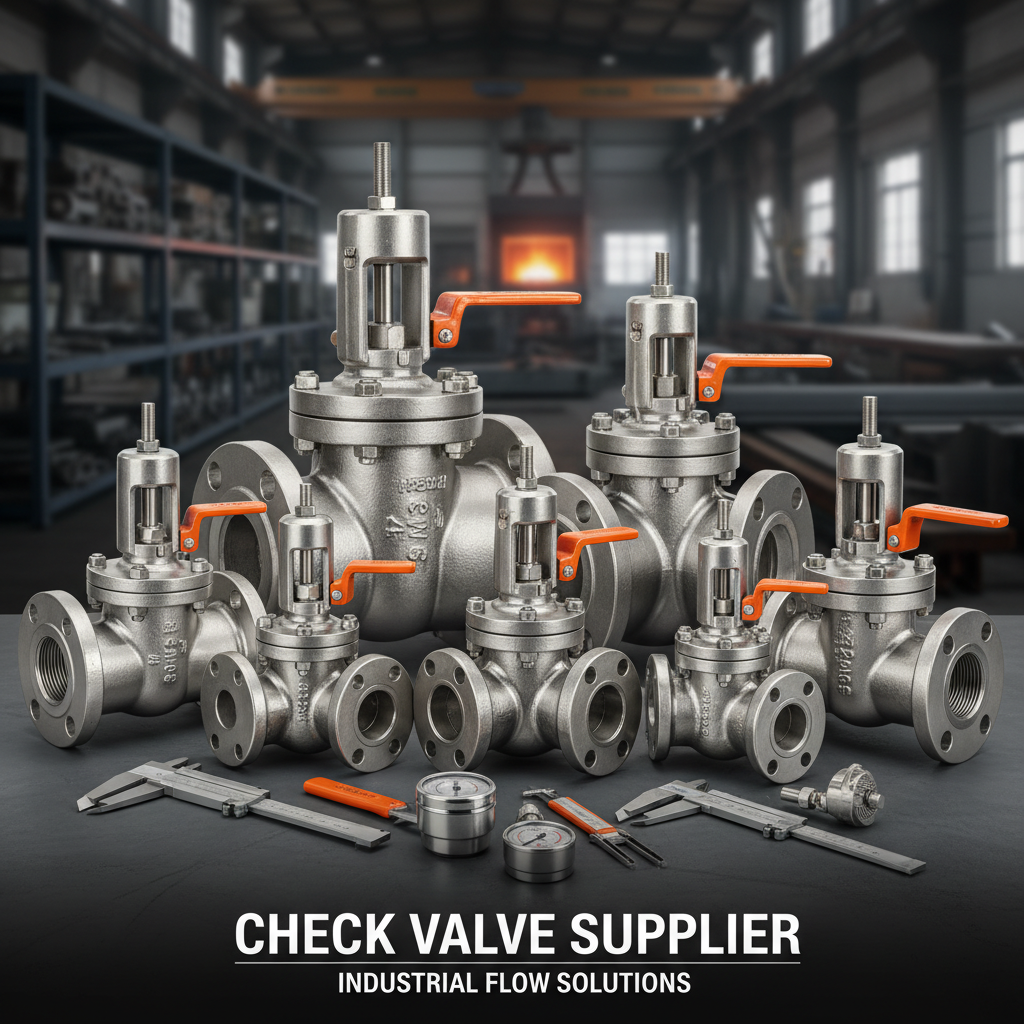
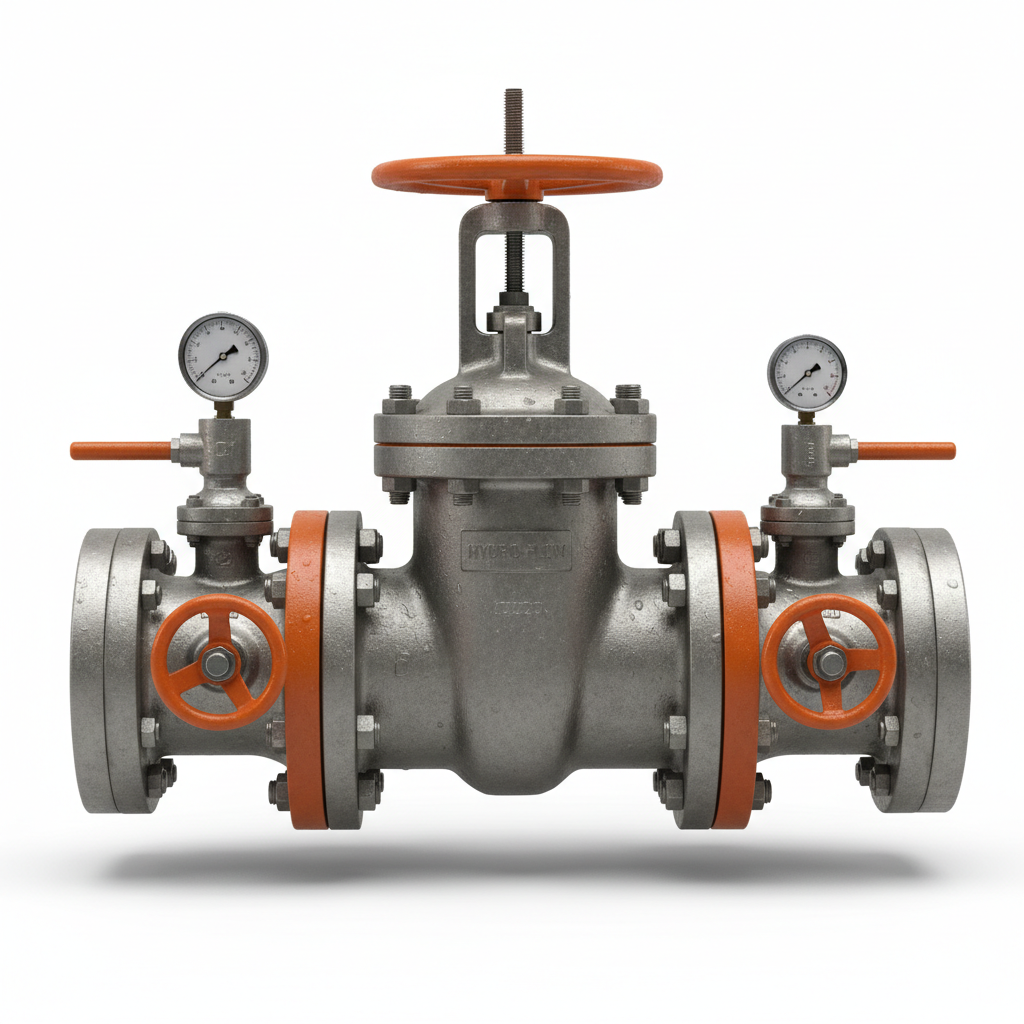
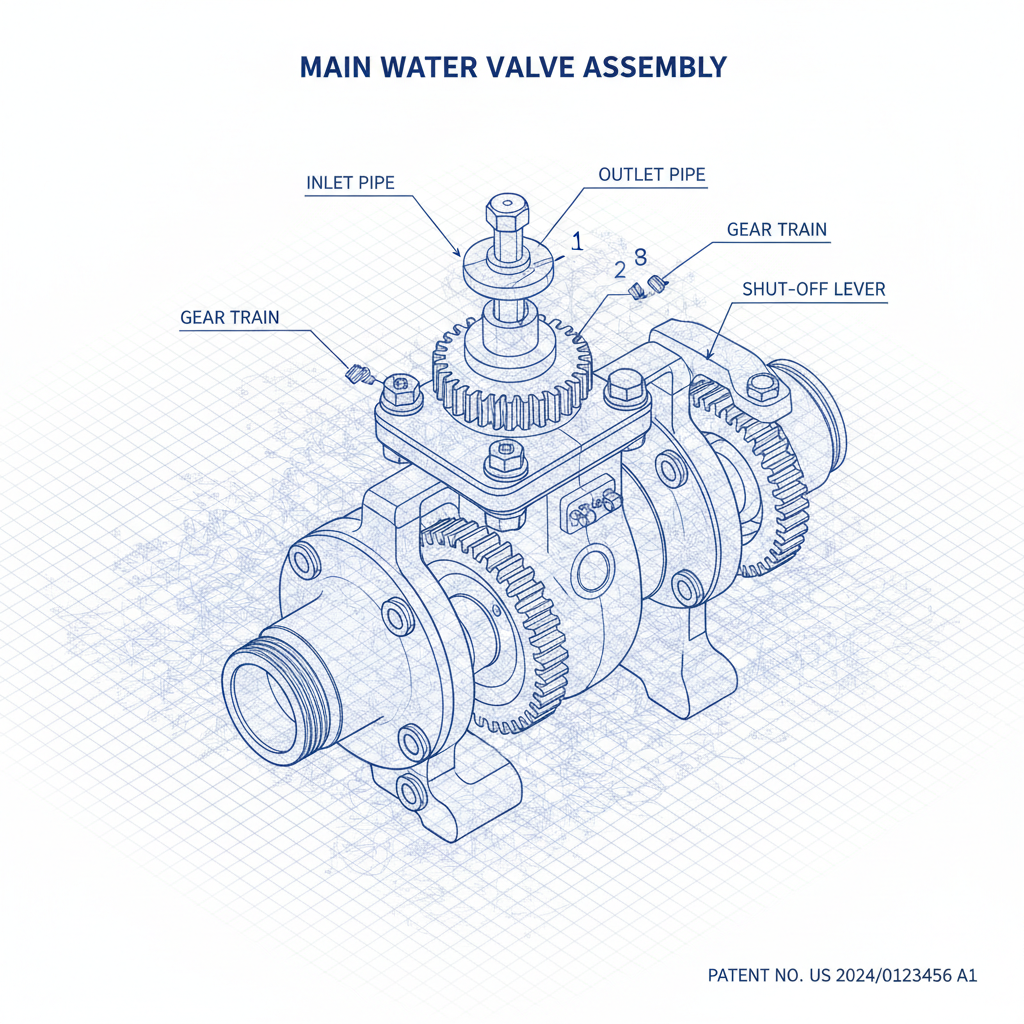
Look, water valve types... it's not glamorous stuff, alright? Been spending my life on sites, knee-deep in dust and grease, and you quickly realize these little guys are the unsung heroes. Everybody focuses on the big machinery, the pipes, the flow rates, but if your valves are crap, everything stops. To be honest, lately it's all about automation. Folks are looking for smarter valves, remotely controlled, with diagnostics. Makes sense, right? Less manpower, more control. But it also opens a whole can of worms…
It’s funny, you spend years learning engineering, and then you realize 80% of the problems are just because someone didn’t think about the installer. Have you noticed how many valve designs look great on paper but are a nightmare to actually wrench tight in a cramped machine room? That’s where experience comes in.
And it's not just the design. The materials themselves... I encountered this at a factory in Ningbo last time, they were bragging about their new "high-performance" plastic valves. Felt like cheap, brittle stuff. Smelled like it too. Give me a good old bronze gate valve any day. You can feel the weight, the solidity. It just feels…right. Although, bronze is getting expensive, isn't it? Anyway, I think we're moving towards more composite materials – trying to get the strength of metal with the corrosion resistance of plastic. It's a balancing act.
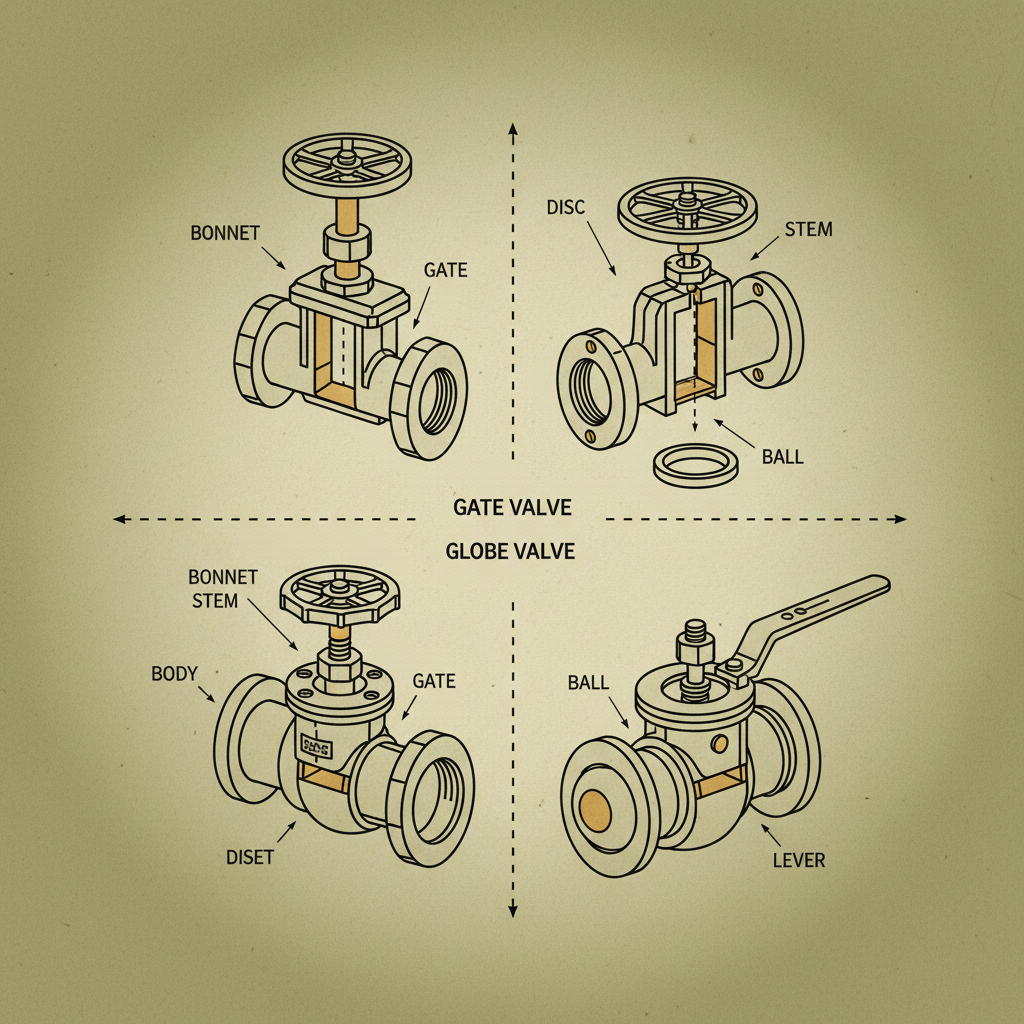

Honestly, people don’t think about water valve types until something goes wrong. Then suddenly it’s a crisis. They’re essentially the gatekeepers of your fluid systems – controlling flow, pressure, direction... the whole shebang.
It's more than just turning something on and off, you know? Different industries have wildly different needs. A chemical plant needs valves that can handle corrosive substances, while a municipal water supply needs valves that are reliable and long-lasting. Strangely, even the type of water matters – salinity, pH levels, all that jazz. It's a surprisingly complex field.
Honestly? Underspecifying. They go for the cheapest option upfront and then end up paying for it later in repairs, downtime, and headaches. It’s crucial to consider the application, the fluid, the temperature, the pressure, everything. Don't just grab the first valve you see. Think long-term. I see it all the time. Someone figures 'it's just water', and then their whole system is corroded in six months.
Absolutely critical. Think of it like your car. You wouldn’t drive it for years without an oil change, right? Valves need to be inspected, lubricated, and occasionally replaced. Leaks, corrosion, and wear and tear can all lead to catastrophic failures if left unchecked. It doesn't have to be complicated, but it needs to be consistent.
Gate valves are good for on/off service where you don't need frequent operation. They offer less resistance to flow. Ball valves are much faster to operate, making them ideal for situations where you need to quickly shut off the flow. Ball valves also provide a tighter seal and are generally more reliable in the long run, but cost a bit more upfront. It depends on the job.
Definitely. Last month, that small boss in Shenzhen who makes smart home devices insisted on changing the interface to on a solenoid valve – wanted everything to be USB-C, apparently. It was a pain in the neck, but we made it happen. You can customize materials, sizes, connections, actuation methods… almost anything. It usually comes with a higher price tag, but it can be worth it for specialized applications.
They’re promising, but still relatively early days. The biggest benefit is the ability to monitor performance and predict failures. But you need a robust network connection and a reliable control system. And, of course, someone who knows how to interpret the data. It's not a plug-and-play solution. The cost also needs to come down for wider adoption.
We don't just rely on lab tests. We put them through real-world scenarios. Pressure cycling, temperature swings, corrosion tests… We even bury some in the ground to simulate long-term exposure to the elements. The best test is seeing them installed and running in an actual application. That’s when you really find out what works and what doesn’t.
Ultimately, water valve types aren't glamorous, but they are absolutely essential. They’re the unsung heroes of our industrial infrastructure. From ensuring clean water access to preventing catastrophic failures, these little guys play a huge role in keeping everything running smoothly. Choosing the right valve, maintaining it properly, and staying ahead of the curve with new technologies are all critical for success.
Look, there’s a lot of fancy engineering that goes into these things, but at the end of the day, the worker will know the moment he tightens the screw whether it’s a good valve or not. That’s what matters. That's the final test. Visit our website at www.strmachinery.com to learn more.

 Afrikaans
 Albanian
 Amharic
 Arabic
 Armenian
 Azerbaijani
 Basque
 Belarusian
 Bengali
 Bosnian
 Bulgarian
 Catalan
 Cebuano
 Corsican
 Croatian
 Czech
Czech
 Danish
 Dutch
Dutch
 Esperanto
 Estonian
 Finnish
 French
 Frisian
 Galician
 Georgian
 German
 Greek
Greek
 Gujarati
 Haitian Creole
 Hausa
Hausa
 Hawaiian
 Hebrew
 Hindi
Hindi
 Miao
Miao
 Hungarian
 Icelandic
 Igbo
Igbo
 Indonesian
 Irish
Irish
 Italian
 Japanese
 Javanese
 Kannada
 Kazakh
 Khmer
Khmer
 Rwandese
 Korean
 Kurdish
 Kyrgyz
 Lao
Lao
 Latin
Latin
 Latvian
 Lithuanian
 Luxembourgish
 Macedonian
 Malgashi
 Malay
Malay
 Malayalam
 Maltese
 Maori
Maori
 Marathi
 Mongolian
 Myanmar
 Nepali
 Norwegian
 Norwegian
 Occitan
 Pashto
 Persian
 Polish
 Portuguese
 Punjabi
 Romanian
 Russian
 Samoan
 Scottish Gaelic
 Serbian
 Sesotho
 Shona
Shona
 Sindhi
 Sinhala
 Slovak
 Slovenian
 Somali
 Spanish
 Sundanese
 Swahili
 Swedish
 Tagalog
 Tajik
Tajik
 Tamil
Tamil
 Tatar
Tatar
 Telugu
 Thai
Thai
 Turkish
 Turkmen
 Ukrainian
 Urdu
Urdu
 Uighur
 Uzbek
Uzbek
 Vietnamese
 Welsh
Welsh
 Bantu
Bantu
 Yiddish
 Yoruba
 Zulu
Zulu
 English