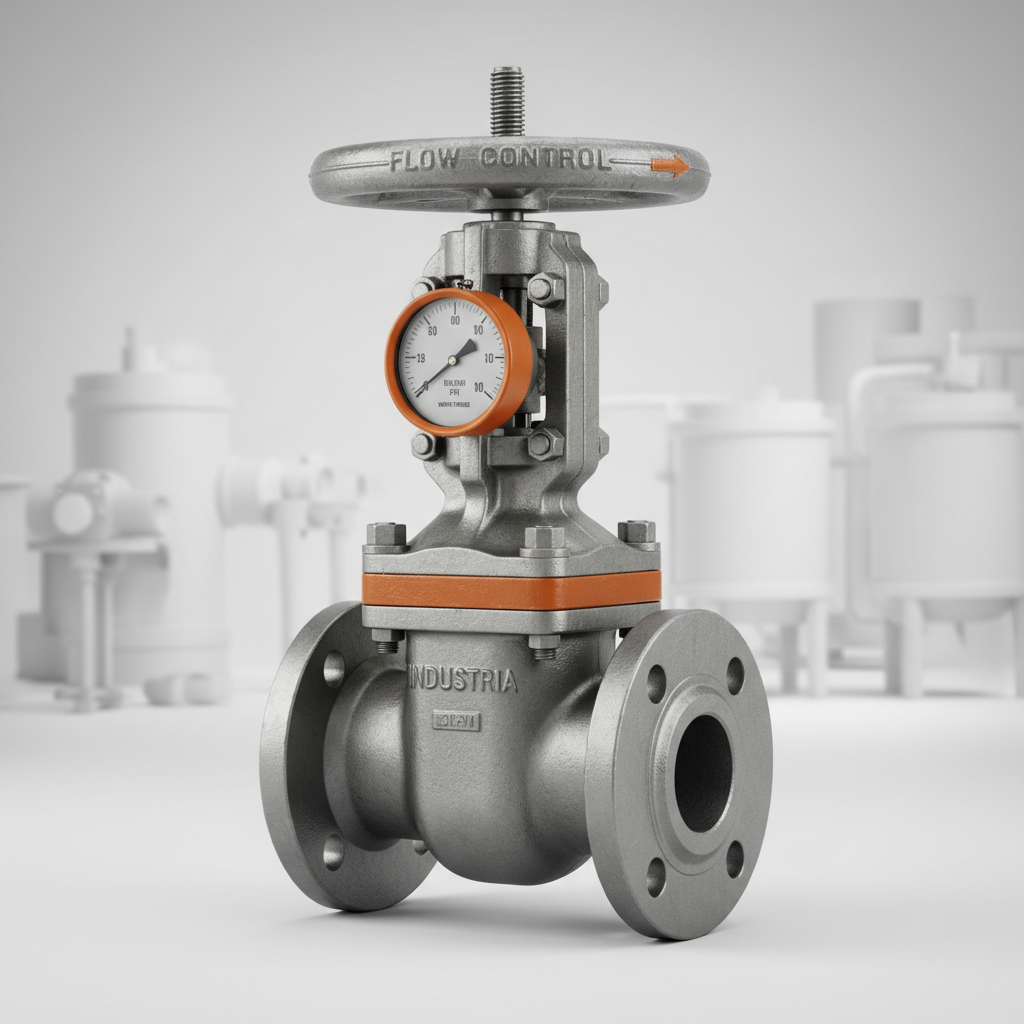
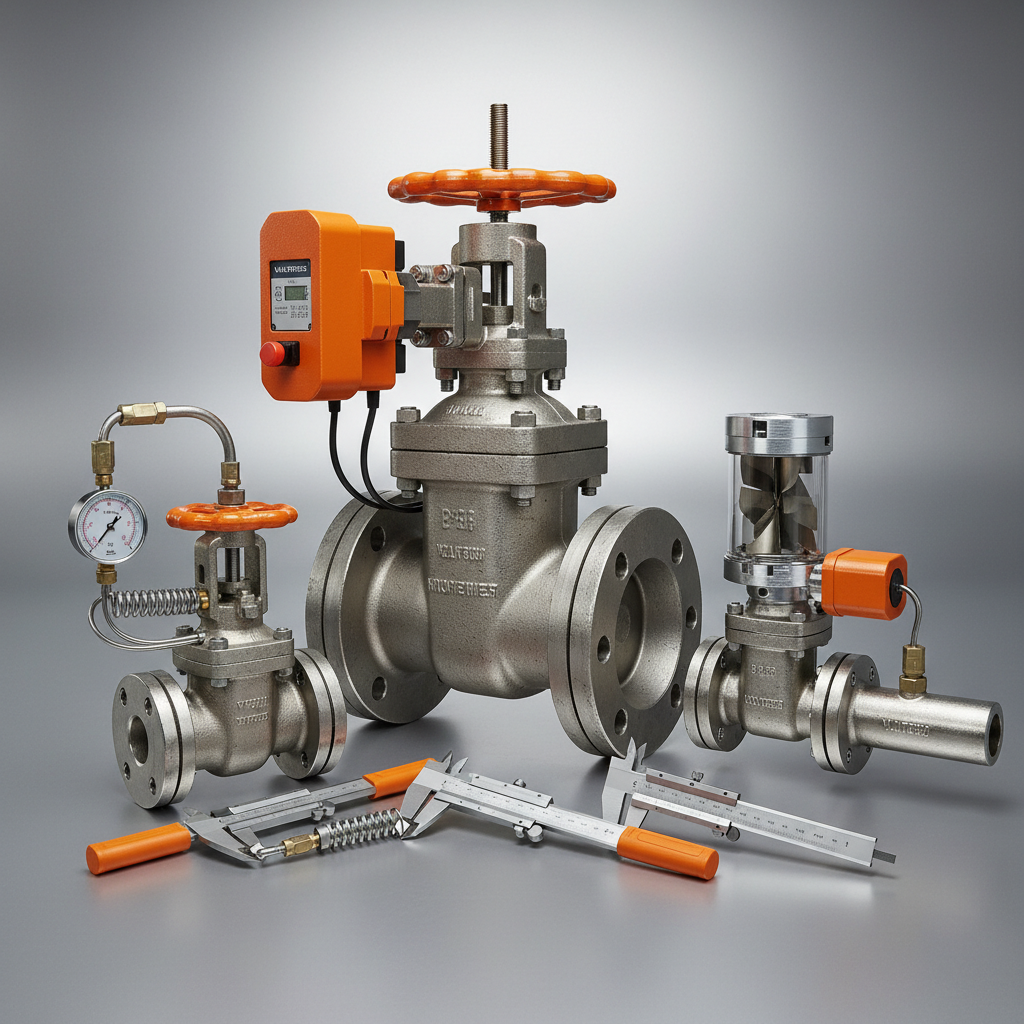
Water gate valves are fundamental components in water management systems worldwide, regulating flow in a vast array of applications, from municipal water distribution to industrial processes and irrigation. Their reliable operation is critical for public health, economic productivity, and environmental sustainability. Understanding the principles, applications, and advancements in water gate valve technology is crucial for engineers, technicians, and policymakers alike.
The global demand for efficient and dependable water infrastructure is continuously increasing, driven by population growth, urbanization, and the escalating impacts of climate change. This demand necessitates ongoing innovation in water gate valve design and materials, focusing on durability, leak prevention, and reduced maintenance. Failure to address these challenges can lead to water scarcity, economic losses, and public health risks.
Water gate valves play an increasingly important role in the equitable and sustainable allocation of this vital resource, underpinning modern civilization’s reliance on a consistent and safe water supply. Their significance extends beyond mere functionality; they represent a cornerstone of societal wellbeing.
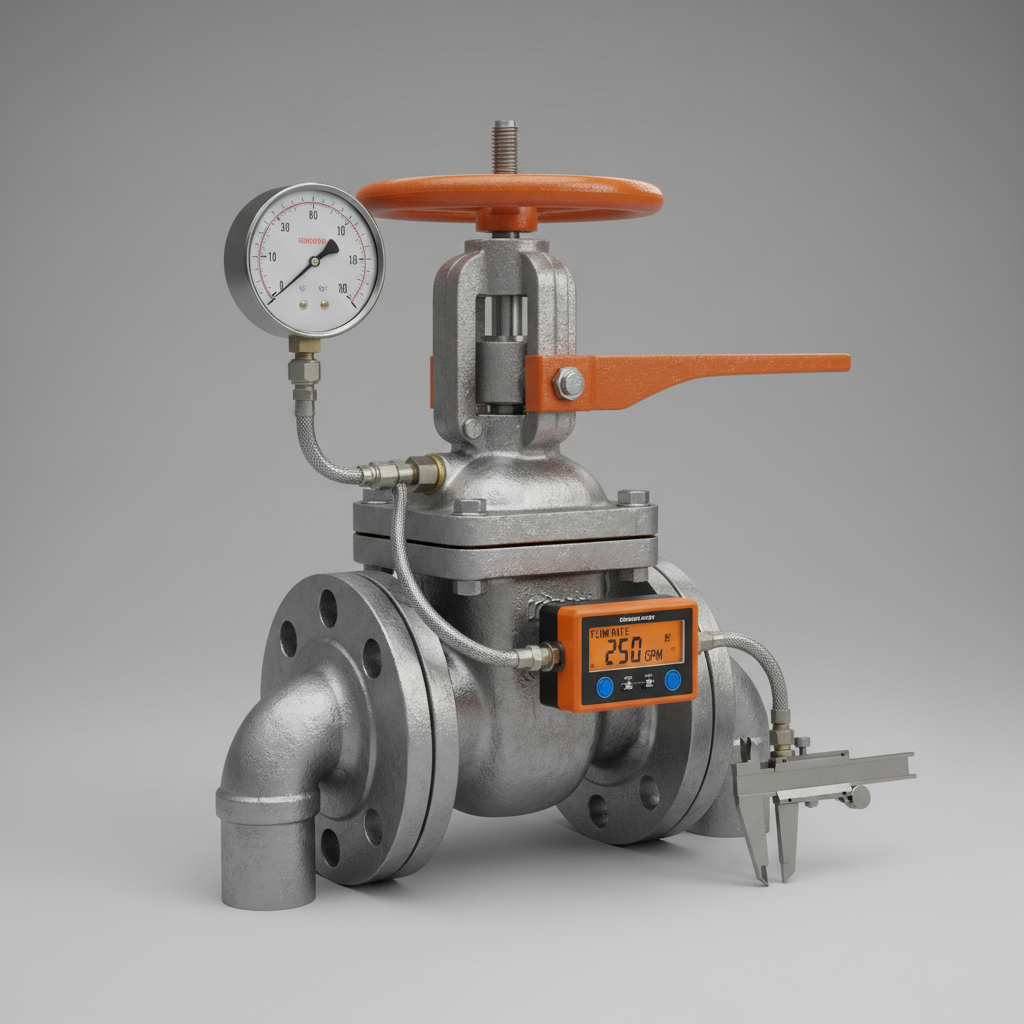
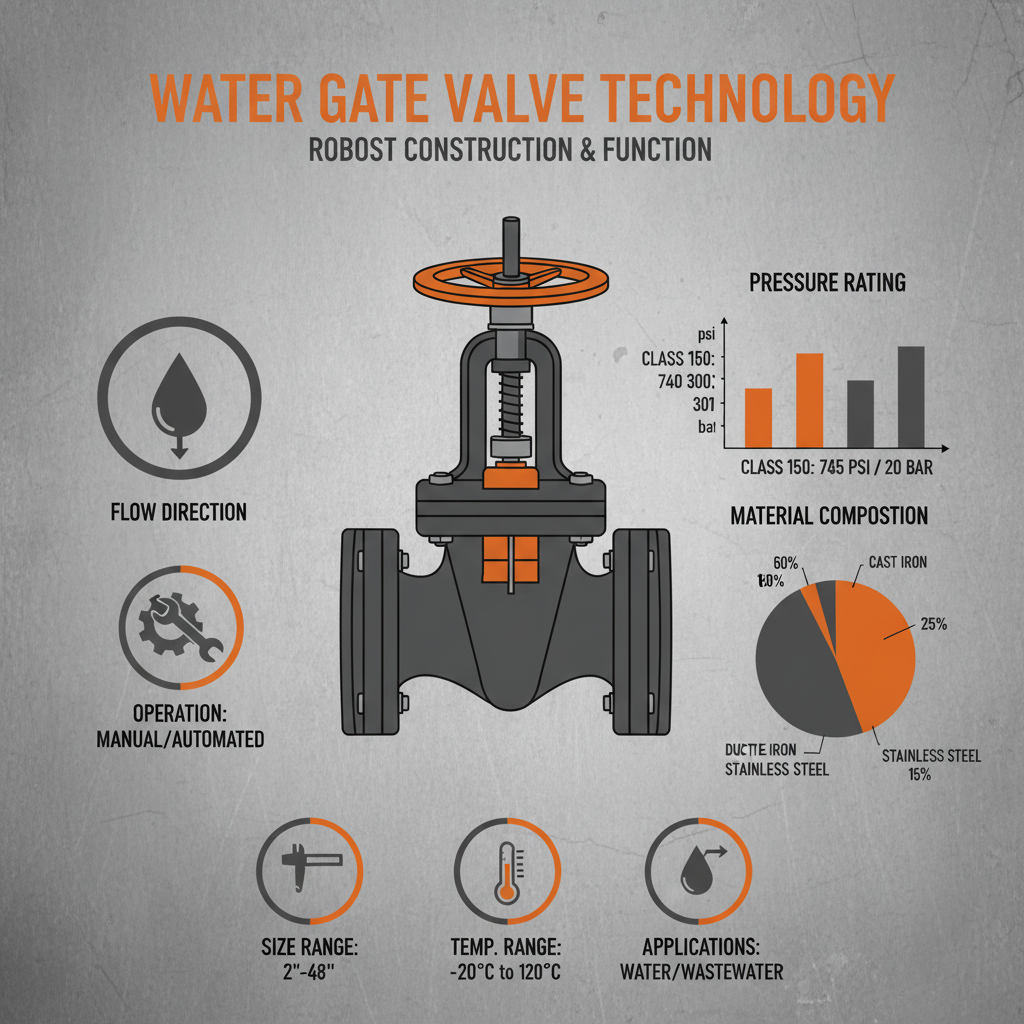
The fundamental operation of a water gate valve relies on a gate, or wedge, being lowered into the flow path to restrict or completely block water passage. This differs significantly from globe valves, which utilize a disc moving perpendicular to the flow. The simplicity of this design contributes to its robustness and wide applicability in various systems.
Key to understanding water gate valve performance is the concept of pressure drop. While offering minimal obstruction when fully open, gate valves inherently create some pressure loss, particularly as flow rates increase. Careful selection of valve size and design is paramount to minimizing this effect and maintaining optimal system efficiency.
Water gate valves are commonly constructed from ductile iron due to its strength and corrosion resistance. Stainless steel is used in applications requiring high purity or resistance to aggressive chemicals. Bronze is also employed, offering good corrosion resistance and ease of machining. The choice depends on the specific fluid being controlled, the operating pressure, and the desired lifespan of the valve.
Regular inspection and maintenance are crucial. A visual inspection should be performed at least annually, checking for signs of corrosion, leakage, or damage. Full maintenance, including lubrication, packing adjustment, and seat inspection, should be conducted every 3-5 years, depending on operating conditions and manufacturer recommendations. Preventative maintenance minimizes downtime and extends valve life.
Gate valves and ball valves serve different purposes. Gate valves are primarily designed for on/off flow control and provide minimal obstruction when fully open. Ball valves, on the other hand, use a rotating ball with a bore to control flow and are often used for throttling. Ball valves generally offer quicker operation, while gate valves provide a more positive shut-off. The appropriate choice depends on the specific application.
Key considerations include the fluid type, operating pressure, temperature, flow rate, and pipe size. It’s essential to select a valve that is compatible with the fluid being controlled to prevent corrosion or damage. The valve must also be able to withstand the maximum operating pressure and temperature. Proper sizing is vital to ensure efficient flow and minimize pressure drop.
Visible signs of leakage, such as dripping or puddling around the valve body, are the most obvious indicators. However, small leaks can be harder to detect. A pressure drop in the system, even when the valve is closed, can also suggest a leak. Regular inspection and listening for unusual noises, like hissing, can help identify potential problems early on.
Resilient wedge gate valves utilize a rubber or elastomer coating on the wedge, creating a tighter seal and reducing the risk of leakage, especially with non-corrosive liquids. They also offer improved corrosion resistance and require less maintenance compared to traditional metal wedge gate valves, making them ideal for potable water applications.
In conclusion, water gate valves are indispensable components of modern water infrastructure, ensuring the safe and reliable delivery of this vital resource. Understanding their principles of operation, applications, and future trends is paramount for professionals in the water management industry. From their fundamental role in controlling water flow to their increasing integration with smart technologies, these valves continue to evolve to meet the challenges of a growing and changing world.
Investing in high-quality water gate valve systems, implementing proactive maintenance programs, and embracing innovative technologies are crucial steps towards securing a sustainable water future. For further information and to explore our range of water gate valve solutions, visit our website: www.strmachinery.com.

 Afrikaans
 Albanian
 Amharic
 Arabic
 Armenian
 Azerbaijani
 Basque
 Belarusian
 Bengali
 Bosnian
 Bulgarian
 Catalan
 Cebuano
 Corsican
 Croatian
 Czech
Czech
 Danish
 Dutch
Dutch
 Esperanto
 Estonian
 Finnish
 French
 Frisian
 Galician
 Georgian
 German
 Greek
Greek
 Gujarati
 Haitian Creole
 Hausa
Hausa
 Hawaiian
 Hebrew
 Hindi
Hindi
 Miao
Miao
 Hungarian
 Icelandic
 Igbo
Igbo
 Indonesian
 Irish
Irish
 Italian
 Japanese
 Javanese
 Kannada
 Kazakh
 Khmer
Khmer
 Rwandese
 Korean
 Kurdish
 Kyrgyz
 Lao
Lao
 Latin
Latin
 Latvian
 Lithuanian
 Luxembourgish
 Macedonian
 Malgashi
 Malay
Malay
 Malayalam
 Maltese
 Maori
Maori
 Marathi
 Mongolian
 Myanmar
 Nepali
 Norwegian
 Norwegian
 Occitan
 Pashto
 Persian
 Polish
 Portuguese
 Punjabi
 Romanian
 Russian
 Samoan
 Scottish Gaelic
 Serbian
 Sesotho
 Shona
Shona
 Sindhi
 Sinhala
 Slovak
 Slovenian
 Somali
 Spanish
 Sundanese
 Swahili
 Swedish
 Tagalog
 Tajik
Tajik
 Tamil
Tamil
 Tatar
Tatar
 Telugu
 Thai
Thai
 Turkish
 Turkmen
 Ukrainian
 Urdu
Urdu
 Uighur
 Uzbek
Uzbek
 Vietnamese
 Welsh
Welsh
 Bantu
Bantu
 Yiddish
 Yoruba
 Zulu
Zulu
 English