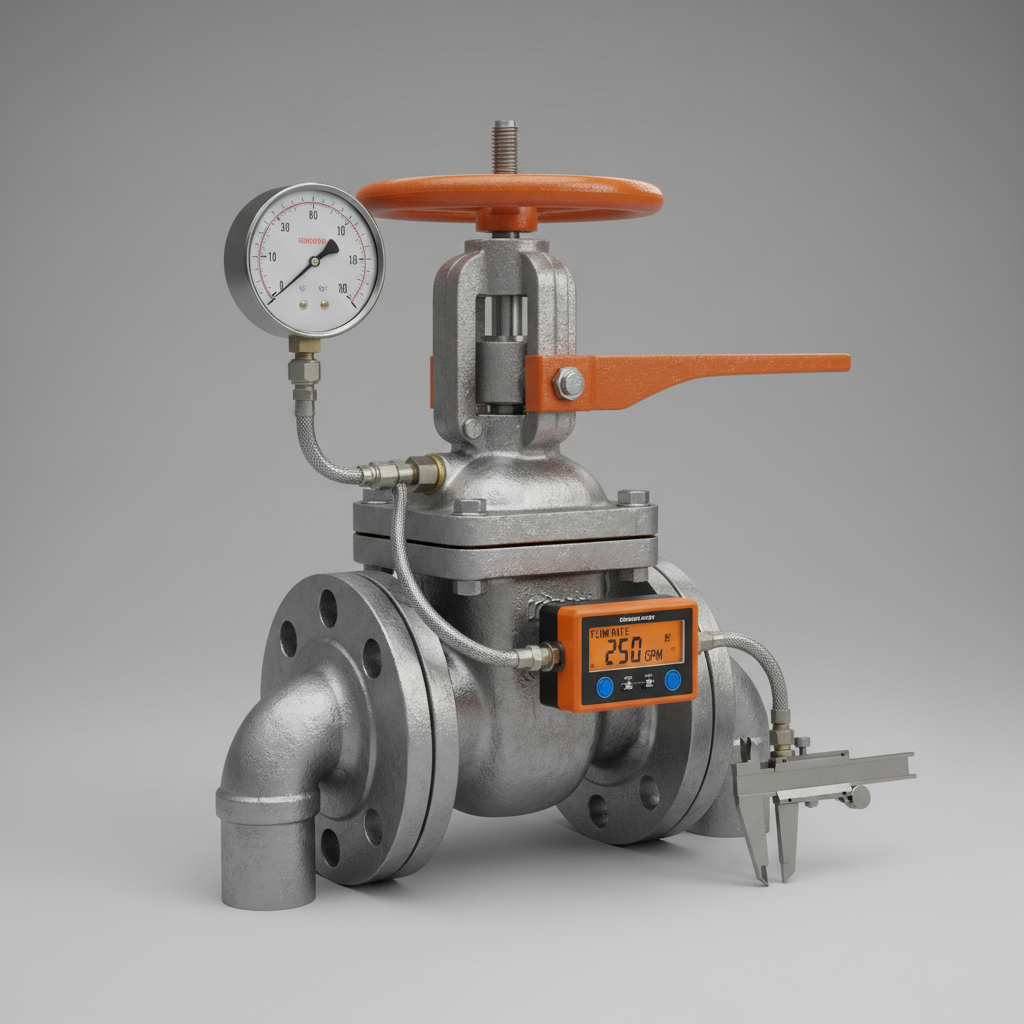
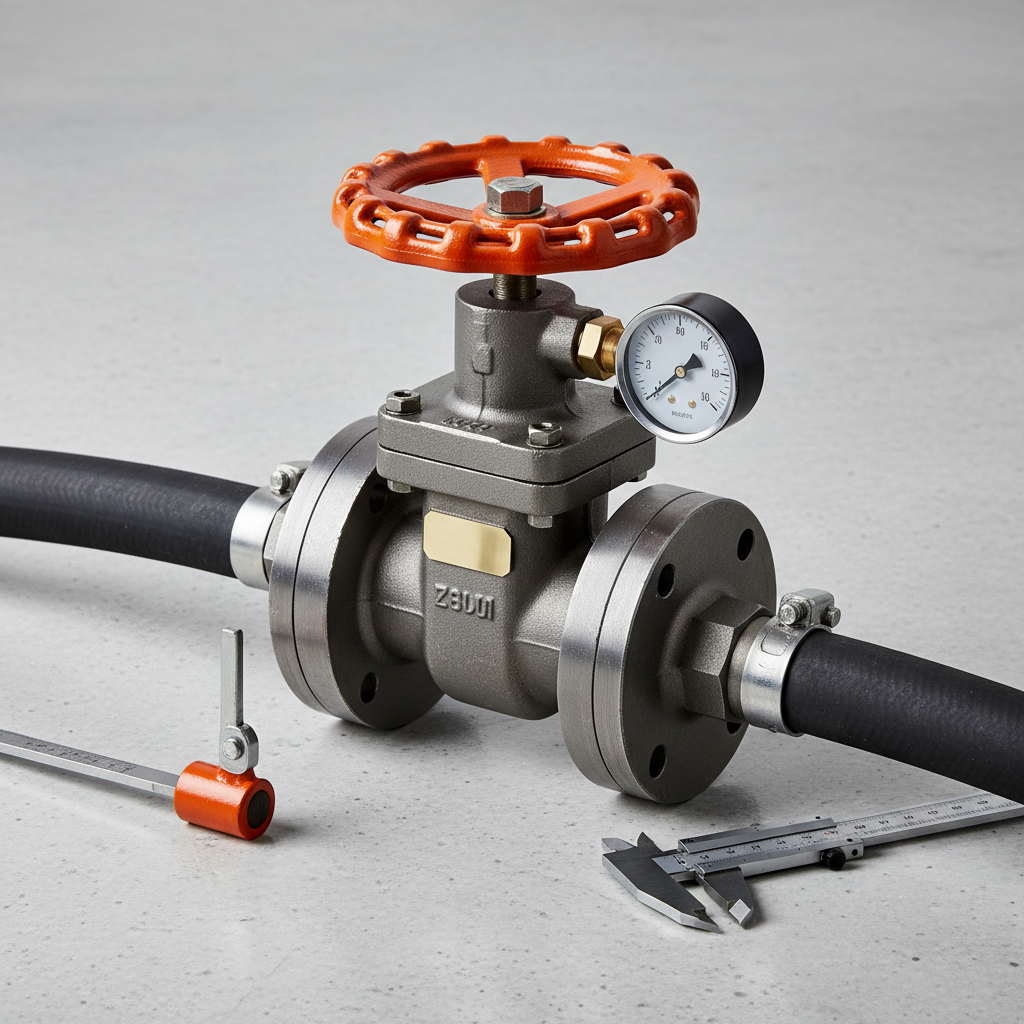
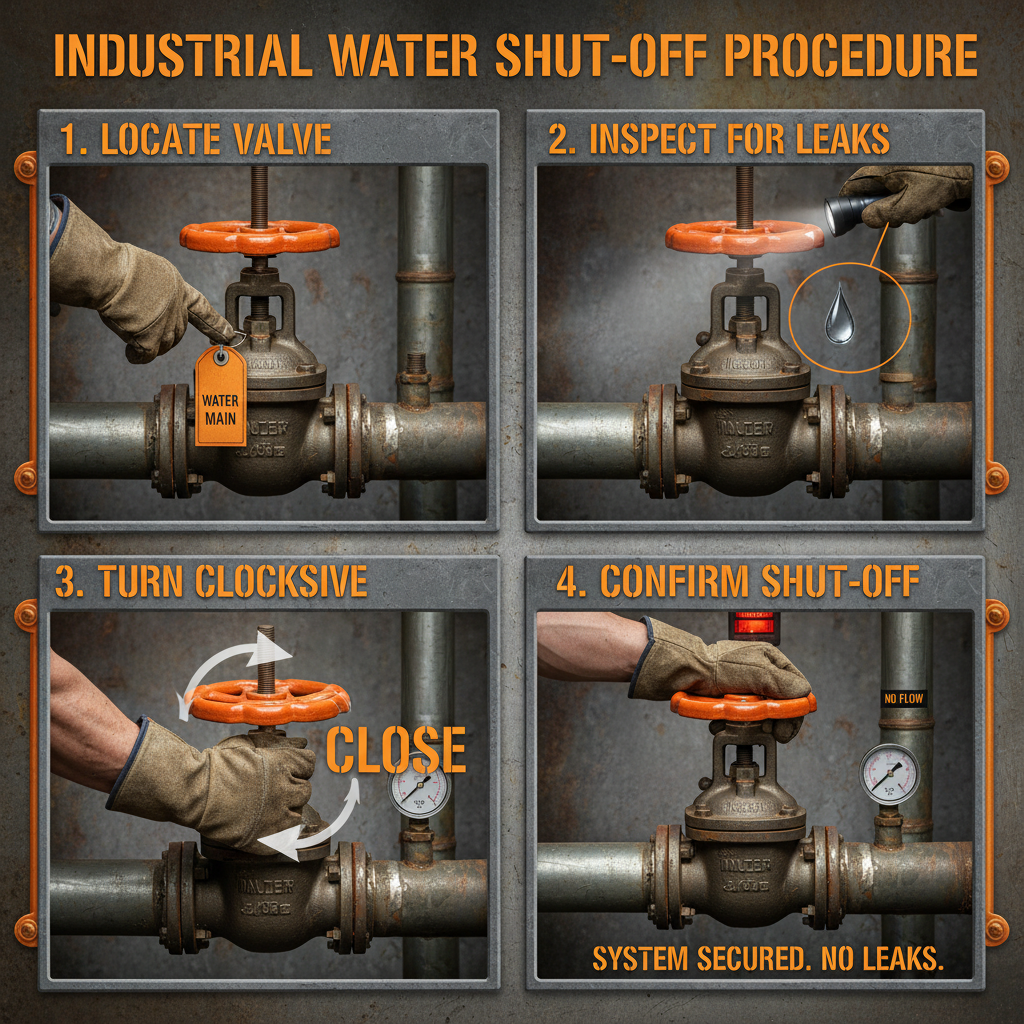
One way water valves are critical components in a vast array of systems, ensuring fluid flows in only one direction. Their importance stems from preventing backflow, protecting equipment, and maintaining system integrity. From simple household appliances to complex industrial processes and vital irrigation systems, these valves play a silent but essential role in our daily lives. Understanding their function and applications is paramount for engineers, technicians, and anyone involved in fluid handling.
The global demand for reliable fluid control solutions, particularly one way water valves, is continuously increasing. Driven by population growth, urbanization, and industrial expansion, the need for efficient water management and safe fluid transfer is more pressing than ever. According to the UN, billions lack access to clean water, and efficient systems are crucial for sustainable resource management. ISO standards further emphasize the importance of quality and safety in valve design and manufacturing.
The challenge of ensuring safe and reliable water distribution, especially in aging infrastructure, highlights the significance of one way water valves. These valves prevent contamination and ensure the consistent delivery of clean water, mitigating risks to public health and optimizing system performance. The ongoing need for cost-effective and durable solutions drives innovation in this field.
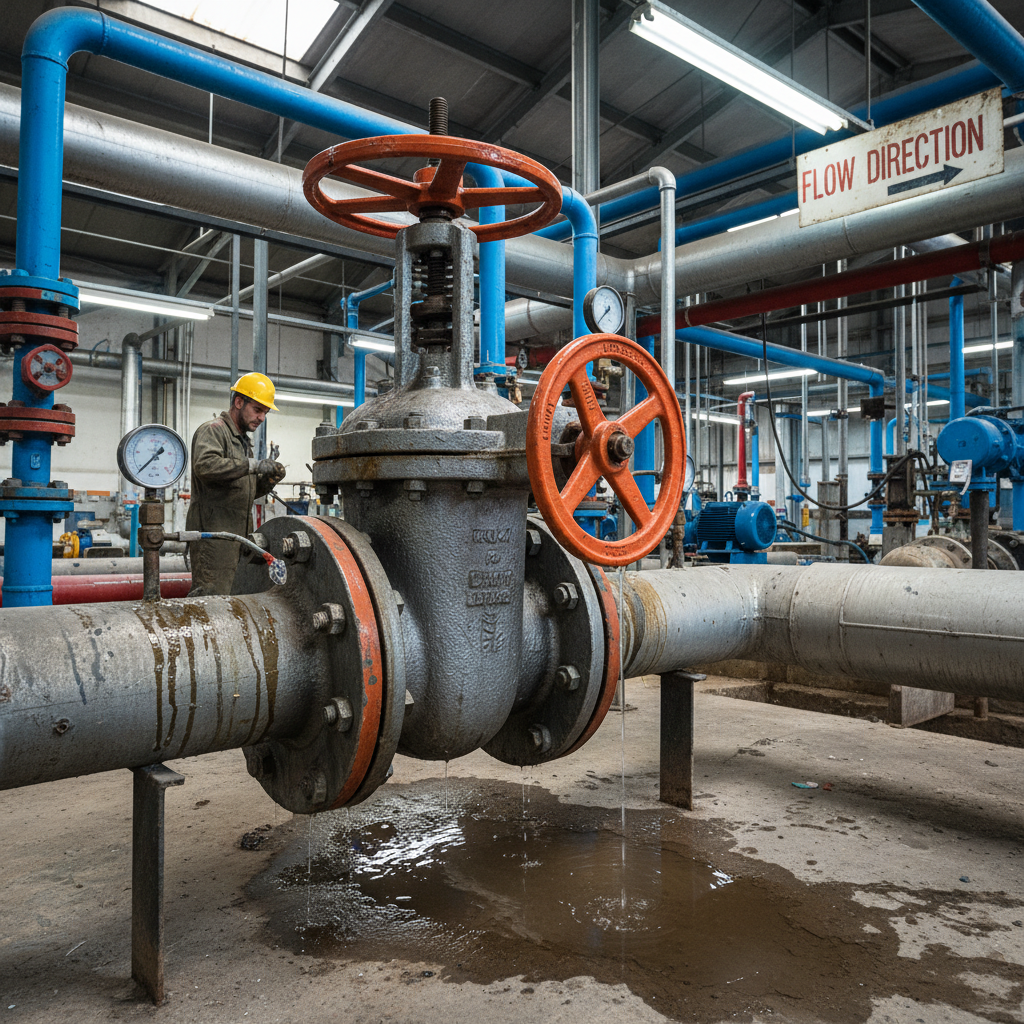
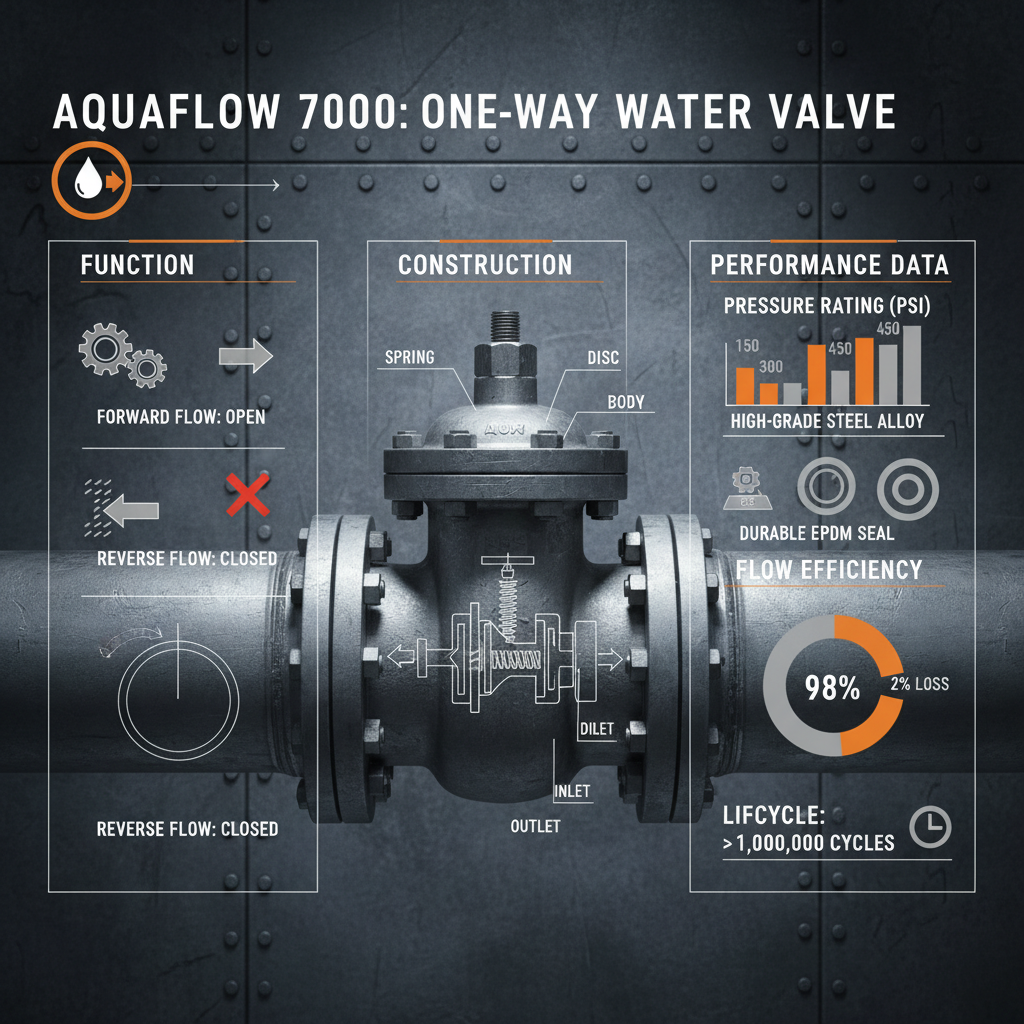
A one way water valve, also known as a check valve, is a mechanical device designed to allow fluid to flow through it in only one direction. It prevents backflow, which can contaminate water supplies, damage equipment, or disrupt processes. These valves operate automatically, utilizing pressure differentials to open and close.
In the modern world, one way water valves are essential for maintaining the integrity of water systems, preventing pollution, and ensuring efficient operation across numerous industries. They are integral to humanitarian efforts providing clean water access, and critical in industrial applications where precise fluid control is a necessity.
Swing check valves use a hinged disc that swings open with forward flow and closes against a seat with reverse flow, ideal for lower pressure applications. Lift check valves use a disc lifted off its seat by forward flow and fall back down to seal upon reverse flow, offering faster response times, making them better for applications with frequent flow changes.
Correct sizing is critical. You need to know your flow rate, fluid type, and system pressure. Use the valve manufacturer's sizing charts and flow coefficient (Cv) data to select a valve that minimizes pressure drop and operates efficiently. Undersizing can lead to excessive pressure drop, while oversizing can cause instability.
Common materials include brass, stainless steel, PVC, and engineered plastics. Brass is cost-effective but may corrode. Stainless steel offers excellent corrosion resistance. PVC is lightweight and suitable for low-pressure applications. Engineered plastics are versatile and can handle a range of fluids.
Regular inspection, at least annually, is recommended. Check for leaks, corrosion, and smooth operation. Lubricate moving parts if necessary. More frequent inspections are needed in harsh environments or critical applications. Replace valves showing signs of significant wear or damage.
A failing one way water valve can lead to backflow contamination, equipment damage, and system inefficiency. In potable water systems, this can pose a serious health risk. In industrial applications, it can disrupt processes and cause costly downtime. Prompt replacement is crucial.
Yes, smart check valves are emerging. These incorporate sensors that monitor valve position, flow rate, and pressure. They can transmit data wirelessly, allowing for remote monitoring, predictive maintenance, and automated control. This improves system efficiency and reduces downtime.
In conclusion, one way water valves are indispensable components across diverse industries, ensuring fluid flows safely and efficiently. Their ability to prevent backflow protects systems, preserves resources, and safeguards public health. Understanding their design, applications, and emerging technologies is vital for optimizing fluid handling processes.
Looking ahead, the integration of smart technology, advanced materials, and sustainable manufacturing practices will drive further innovation in this field. Investing in high-quality one way water valves not only enhances system reliability but also contributes to a more sustainable and resilient future. For reliable solutions, visit our website: www.strmachinery.com

 Afrikaans
 Albanian
 Amharic
 Arabic
 Armenian
 Azerbaijani
 Basque
 Belarusian
 Bengali
 Bosnian
 Bulgarian
 Catalan
 Cebuano
 Corsican
 Croatian
 Czech
Czech
 Danish
 Dutch
Dutch
 Esperanto
 Estonian
 Finnish
 French
 Frisian
 Galician
 Georgian
 German
 Greek
Greek
 Gujarati
 Haitian Creole
 Hausa
Hausa
 Hawaiian
 Hebrew
 Hindi
Hindi
 Miao
Miao
 Hungarian
 Icelandic
 Igbo
Igbo
 Indonesian
 Irish
Irish
 Italian
 Japanese
 Javanese
 Kannada
 Kazakh
 Khmer
Khmer
 Rwandese
 Korean
 Kurdish
 Kyrgyz
 Lao
Lao
 Latin
Latin
 Latvian
 Lithuanian
 Luxembourgish
 Macedonian
 Malgashi
 Malay
Malay
 Malayalam
 Maltese
 Maori
Maori
 Marathi
 Mongolian
 Myanmar
 Nepali
 Norwegian
 Norwegian
 Occitan
 Pashto
 Persian
 Polish
 Portuguese
 Punjabi
 Romanian
 Russian
 Samoan
 Scottish Gaelic
 Serbian
 Sesotho
 Shona
Shona
 Sindhi
 Sinhala
 Slovak
 Slovenian
 Somali
 Spanish
 Sundanese
 Swahili
 Swedish
 Tagalog
 Tajik
Tajik
 Tamil
Tamil
 Tatar
Tatar
 Telugu
 Thai
Thai
 Turkish
 Turkmen
 Ukrainian
 Urdu
Urdu
 Uighur
 Uzbek
Uzbek
 Vietnamese
 Welsh
Welsh
 Bantu
Bantu
 Yiddish
 Yoruba
 Zulu
Zulu
 English