You know, I've been running around construction sites for over a decade now, and things have really changed. Everyone's talking about prefabrication, modular construction… it's all the rage. Seems like every other project wants something “off-site built.” Honestly, it makes sense - fewer weather delays, better quality control if you’ve got a good team, and less disruption on-site. But it puts a whole new level of scrutiny on the components, especially the water valves. It’s not just about getting water from A to B anymore; it’s about reliability, long-term performance in a system that's supposed to be moved and connected multiple times.
I’ve seen so many designs that look good on paper, but fall apart the second someone tries to actually install them. It's usually something simple – an overly complicated connection, a material that doesn’t play well with others, or just plain bad tolerances. Have you noticed how everyone's obsessed with making things "sleek" and "minimalist"? That often translates to less material, tighter manufacturing tolerances, and fewer safety margins. And that, my friend, is where problems start.
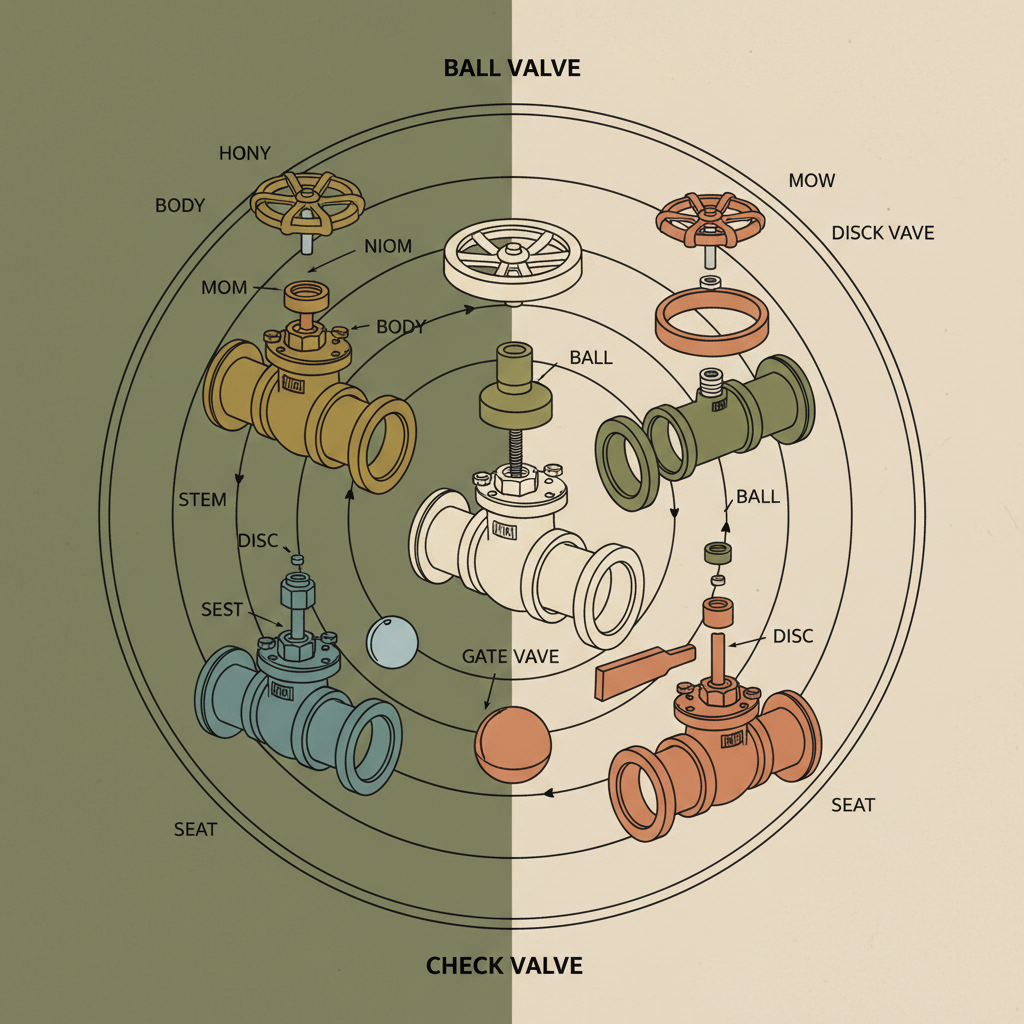
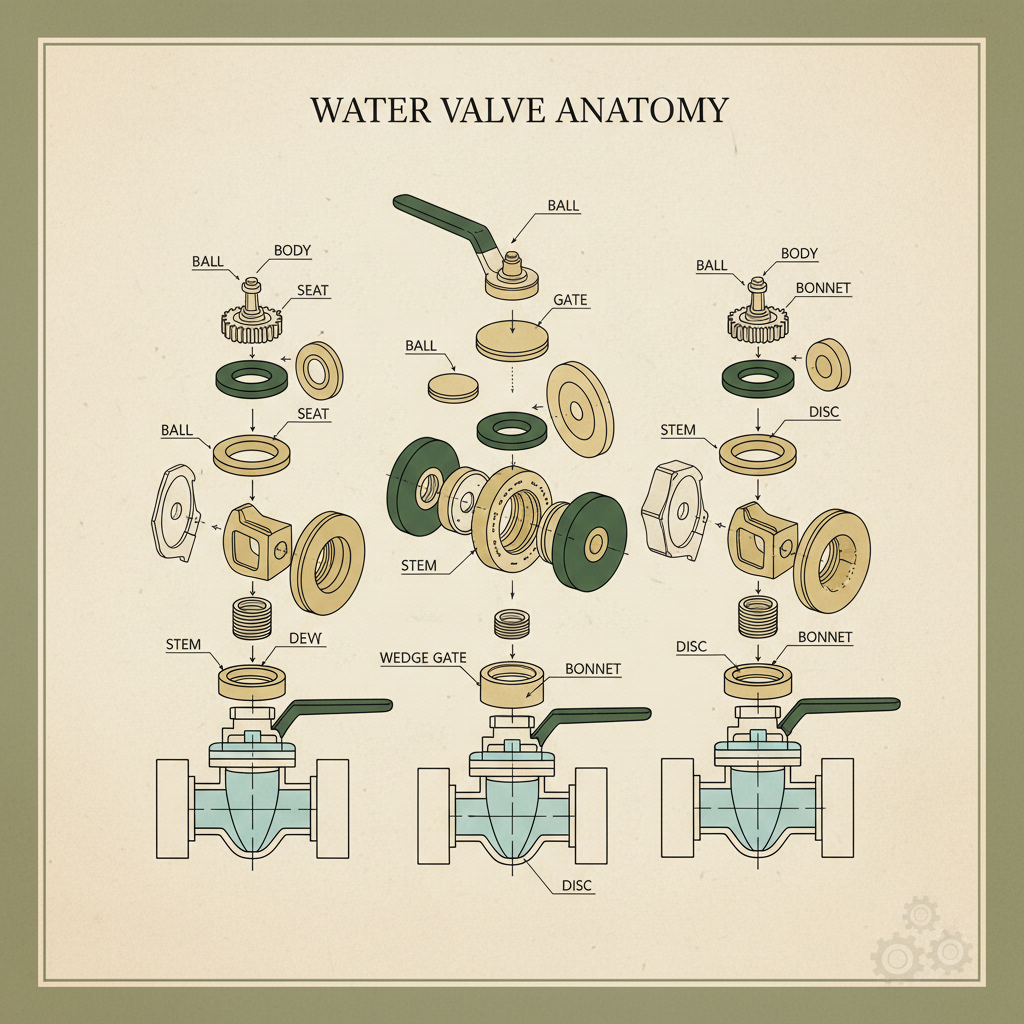
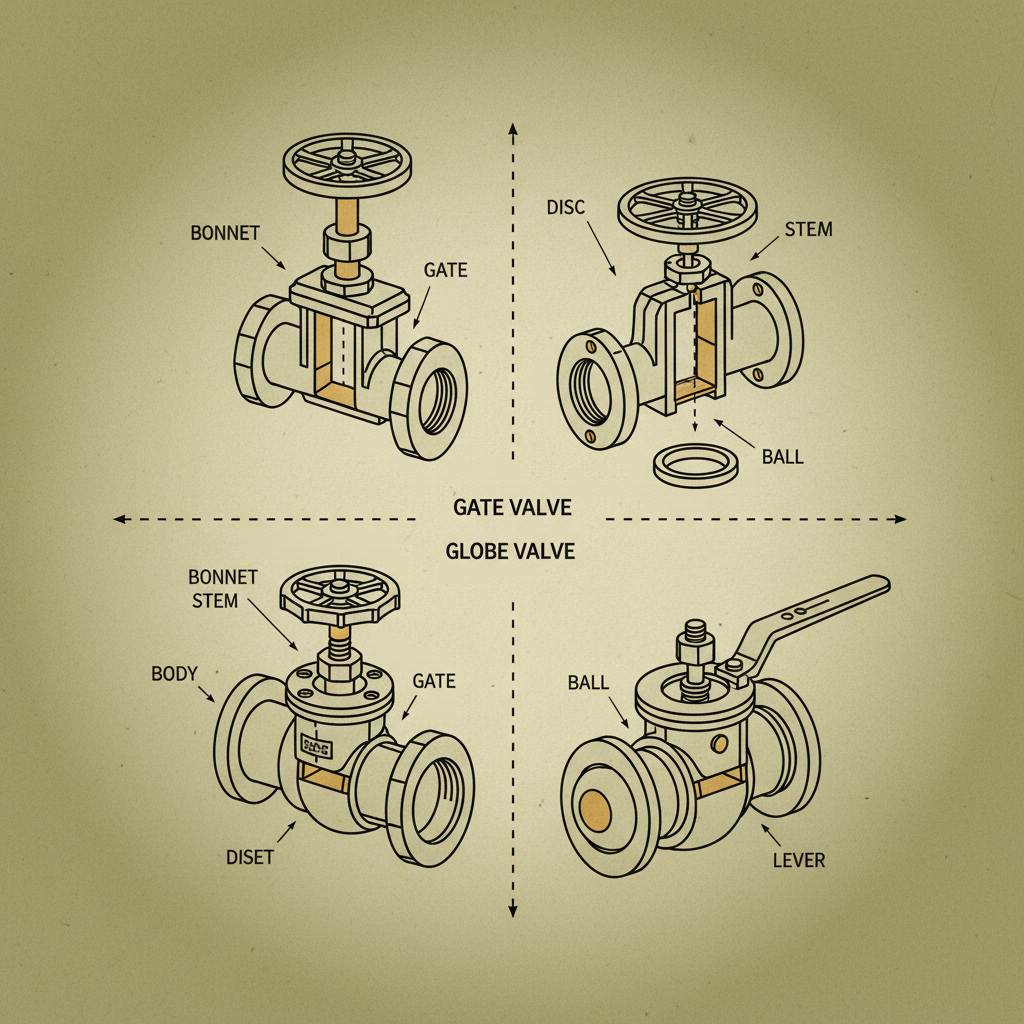
We deal with a lot of different types of water valves, obviously. Ball valves, gate valves, butterfly valves, check valves… the list goes on. But lately, it's been all about solenoid valves and actuated valves for these pre-fab systems. Easier to integrate with smart building controls, you see. But honestly, they’re also a pain. They need power, they can fail electronically, and you've got to worry about surge protection. It's a whole other layer of complexity.
Strangely enough, the rise of green building practices also influences valve choices. Everyone wants to reduce water waste, so we’re seeing more demand for low-flow valves and leak detection systems. It sounds good in theory, but those systems need reliable valves to work. You can’t save water if the valve’s leaking!
And the demand for different types of water valves is… intense. You've got everything from basic PVC ball valves for irrigation to high-end stainless steel actuated valves for critical process control. It’s a wild west out there, and keeping up with it all is a full-time job.
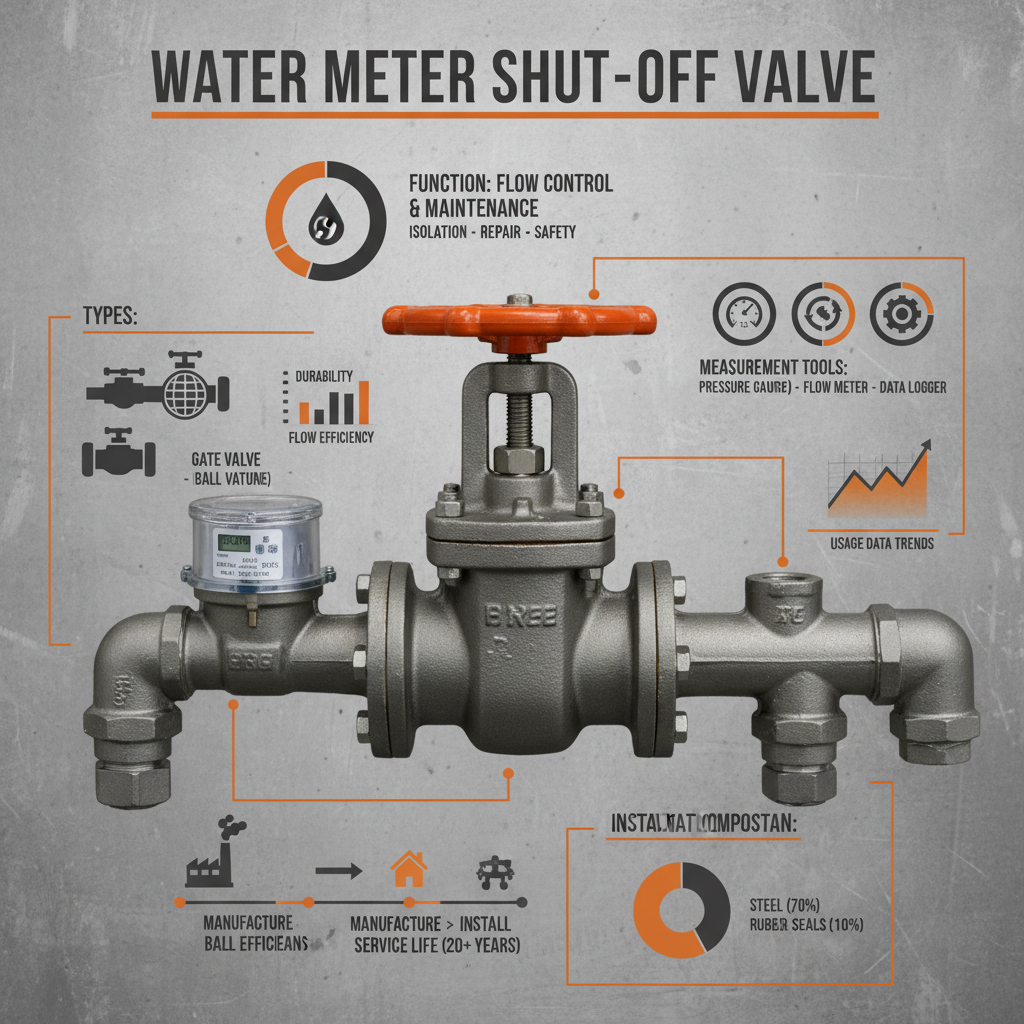
Honestly, it’s not thinking about the whole lifecycle. They focus on the initial cost and don’t consider the maintenance, repair, and potential downtime. A slightly more expensive valve that lasts twice as long is always a better deal. Especially in a modular system where replacing a valve means disassembling half the wall. It’s about total cost of ownership, not just the sticker price.
Crucial. Absolutely crucial. You can’t just assume a valve will work with any fluid. Corrosion is a real killer. You need to know the pH level, the chemical composition, the temperature… all of it. I’ve seen brass valves disintegrate in just a few months when exposed to certain chemicals. Stainless steel is generally a safe bet, but even that has its limitations.
Pros: Remote control, automation, precision. Cons: Complexity, cost, potential for electronic failure, power requirements. They're great for systems that need tight control, but they're not necessarily the best choice for every application. You need to weigh the benefits against the risks and costs.
Lead-free brass or stainless steel, without question. You have to be careful about the alloys used, though. Some stainless steels can still leach contaminants. Look for valves that are certified to NSF/ANSI 61 standards. It's peace of mind, you know?
Absolutely. Flange connections, material choices, actuator types… we can modify a lot of things. It usually adds some lead time and cost, but it’s often worth it to get exactly what you need. We had a customer last year who needed a valve with a special coating to resist a particularly aggressive chemical. It wasn’t off-the-shelf, but we got it done.
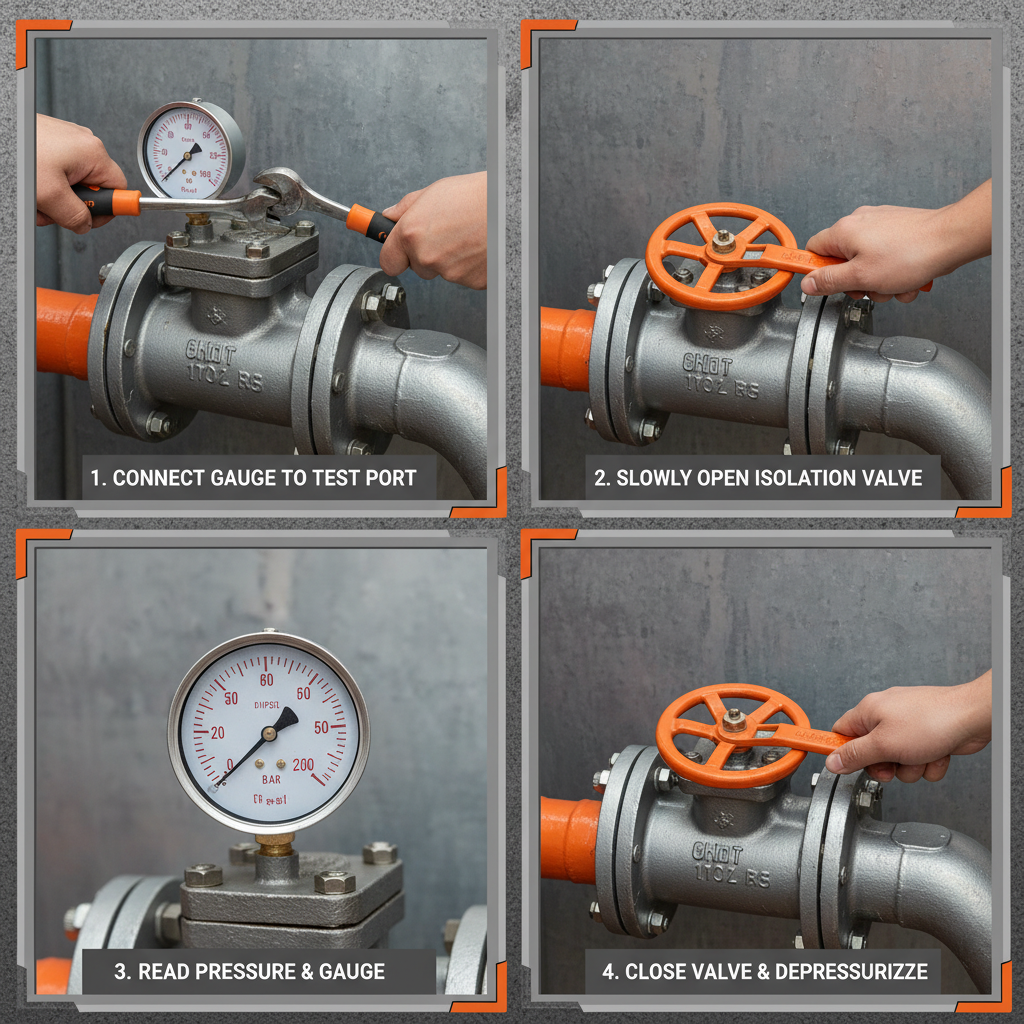
Regular inspection. Seriously. People wait until a valve fails before they even think about looking at it. A quick visual inspection every few months can catch leaks, corrosion, and other problems before they become major issues. A little preventative maintenance goes a long way.
So, what have we learned? The world of water valves is a lot more complicated than it seems. It’s not just about picking the cheapest option or the one that looks the prettiest. It's about understanding the application, choosing the right materials, and ensuring long-term reliability. It’s about thinking about the whole lifecycle, from design and installation to maintenance and repair.
Ultimately, whether this thing works or not, the worker will know the moment he tightens the screw. You can design, you can test, you can spec it out to the nth degree. But the man on the ground, the one wrestling with the pipe and the wrench? He's the final judge. And if he's cursing your valve, you've done something wrong. Visit our website at www.strmachinery.com to learn more about choosing the right types of water valves for your next project.

 Afrikaans
 Albanian
 Amharic
 Arabic
 Armenian
 Azerbaijani
 Basque
 Belarusian
 Bengali
 Bosnian
 Bulgarian
 Catalan
 Cebuano
 Corsican
 Croatian
 Czech
Czech
 Danish
 Dutch
Dutch
 Esperanto
 Estonian
 Finnish
 French
 Frisian
 Galician
 Georgian
 German
 Greek
Greek
 Gujarati
 Haitian Creole
 Hausa
Hausa
 Hawaiian
 Hebrew
 Hindi
Hindi
 Miao
Miao
 Hungarian
 Icelandic
 Igbo
Igbo
 Indonesian
 Irish
Irish
 Italian
 Japanese
 Javanese
 Kannada
 Kazakh
 Khmer
Khmer
 Rwandese
 Korean
 Kurdish
 Kyrgyz
 Lao
Lao
 Latin
Latin
 Latvian
 Lithuanian
 Luxembourgish
 Macedonian
 Malgashi
 Malay
Malay
 Malayalam
 Maltese
 Maori
Maori
 Marathi
 Mongolian
 Myanmar
 Nepali
 Norwegian
 Norwegian
 Occitan
 Pashto
 Persian
 Polish
 Portuguese
 Punjabi
 Romanian
 Russian
 Samoan
 Scottish Gaelic
 Serbian
 Sesotho
 Shona
Shona
 Sindhi
 Sinhala
 Slovak
 Slovenian
 Somali
 Spanish
 Sundanese
 Swahili
 Swedish
 Tagalog
 Tajik
Tajik
 Tamil
Tamil
 Tatar
Tatar
 Telugu
 Thai
Thai
 Turkish
 Turkmen
 Ukrainian
 Urdu
Urdu
 Uighur
 Uzbek
Uzbek
 Vietnamese
 Welsh
Welsh
 Bantu
Bantu
 Yiddish
 Yoruba
 Zulu
Zulu
 English