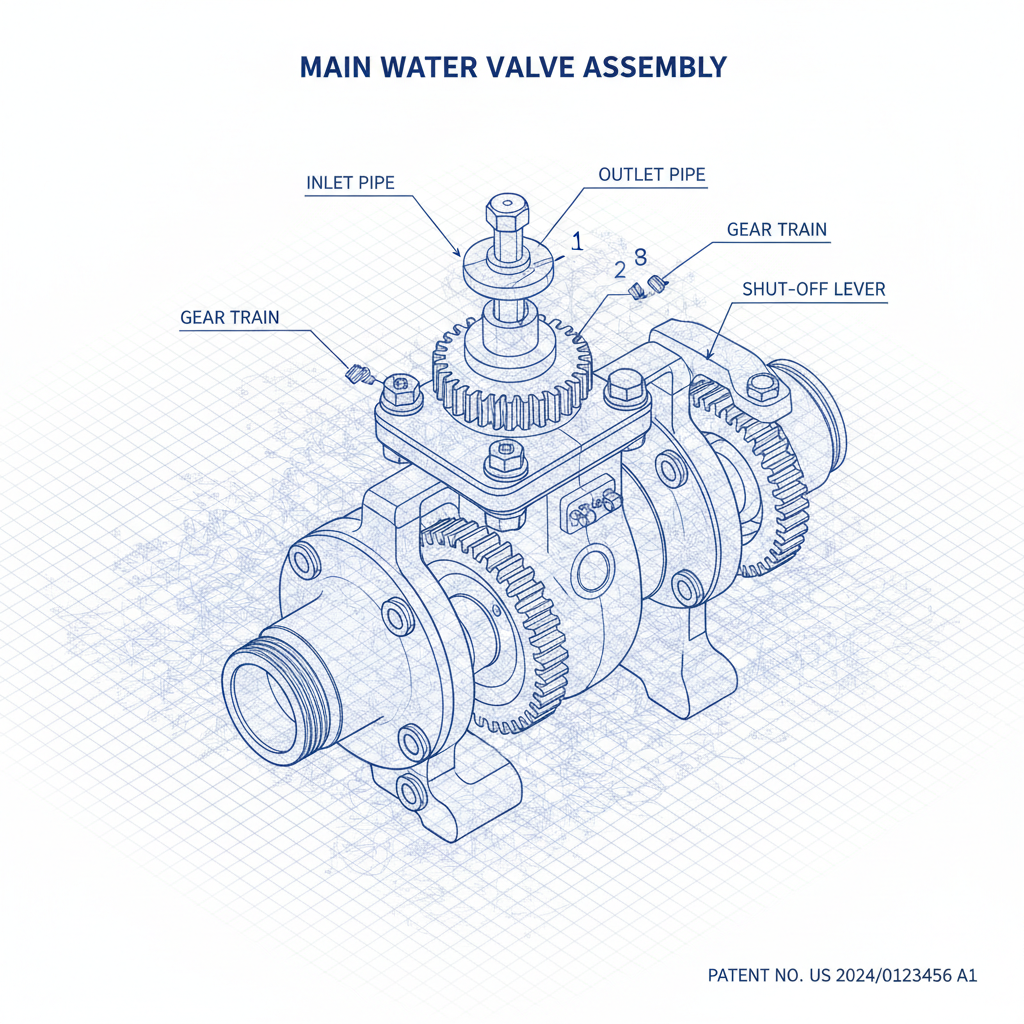
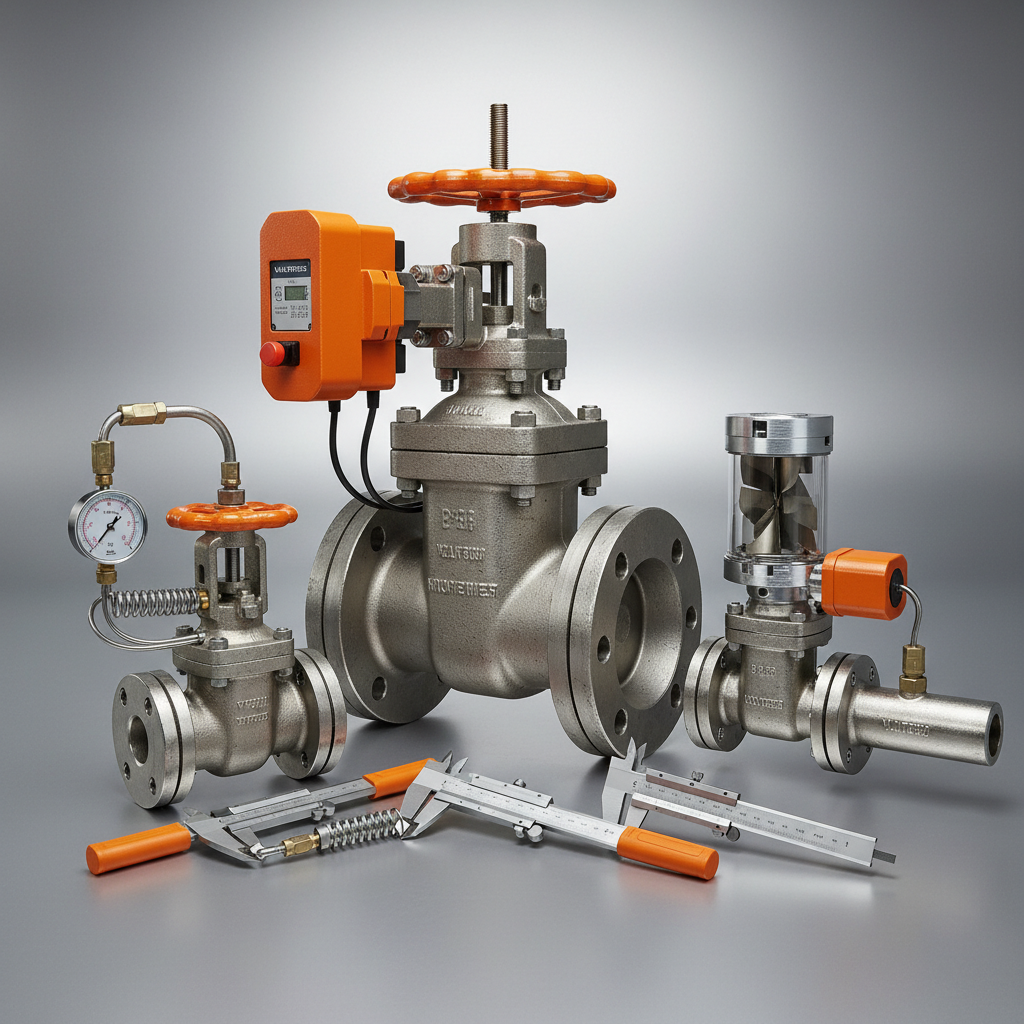
The efficient control of water flow is paramount in numerous industries and daily life applications. An on off water valve serves as a fundamental component in these systems, enabling the precise starting and stopping of water passage. Its importance spans from residential plumbing and irrigation to large-scale industrial processes and emergency response systems. Understanding the functionality, applications, and future of these valves is crucial for professionals and individuals alike seeking to optimize water management and ensure reliable operation of water-based systems.
Globally, water scarcity and the need for efficient resource management are increasing concerns. The demand for reliable control mechanisms like the on off water valve is therefore steadily rising. According to the UN, billions of people lack access to safely managed drinking water, highlighting the need for robust infrastructure. These valves play a vital role in delivering clean water, managing wastewater, and preventing leaks and contamination. Efficient water control is inextricably linked to sustainable development goals.
The on off water valve is a mechanical device designed to either allow or prevent the flow of water through a pipe or system. They are operated manually, automatically, or remotely, depending on the application. This simple yet crucial function is essential for a wide range of industries and is central to ensuring safe and efficient water usage across the globe, from basic home plumbing to complex industrial operations.
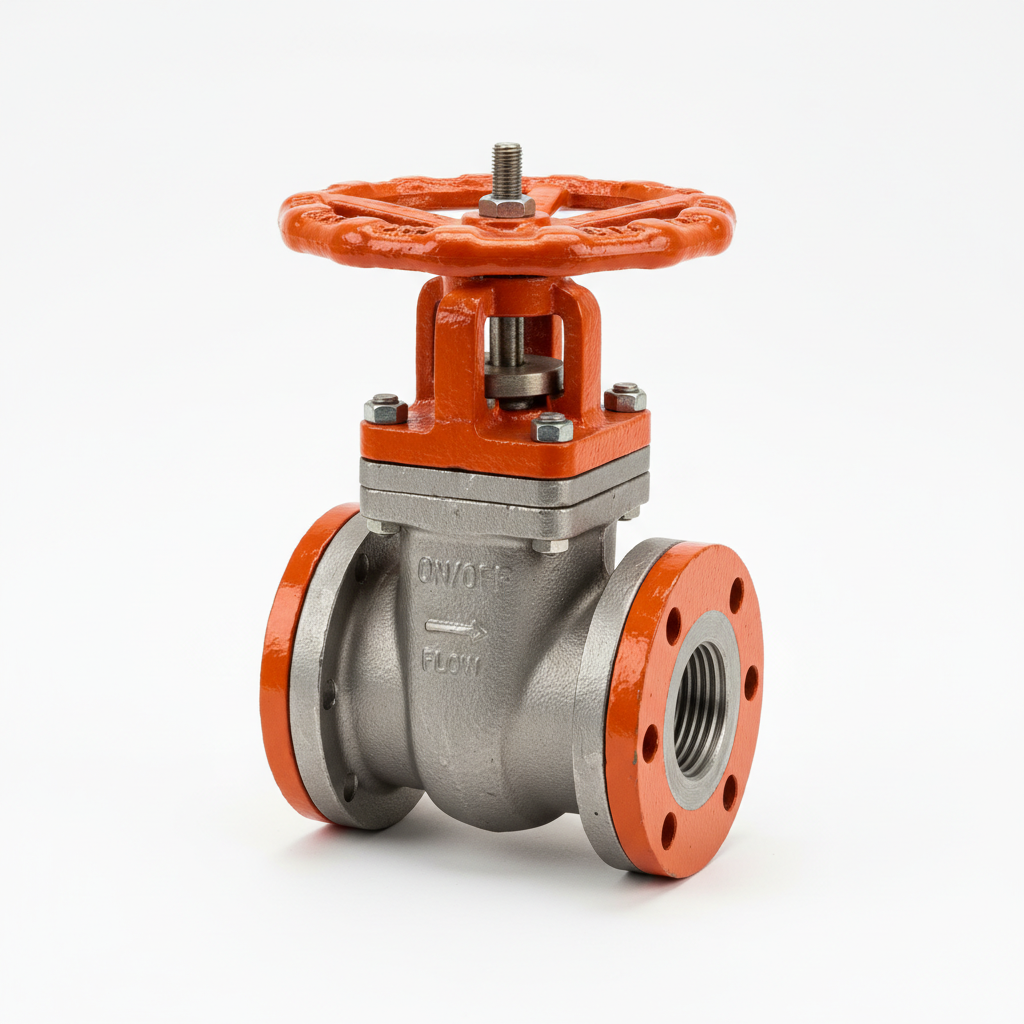
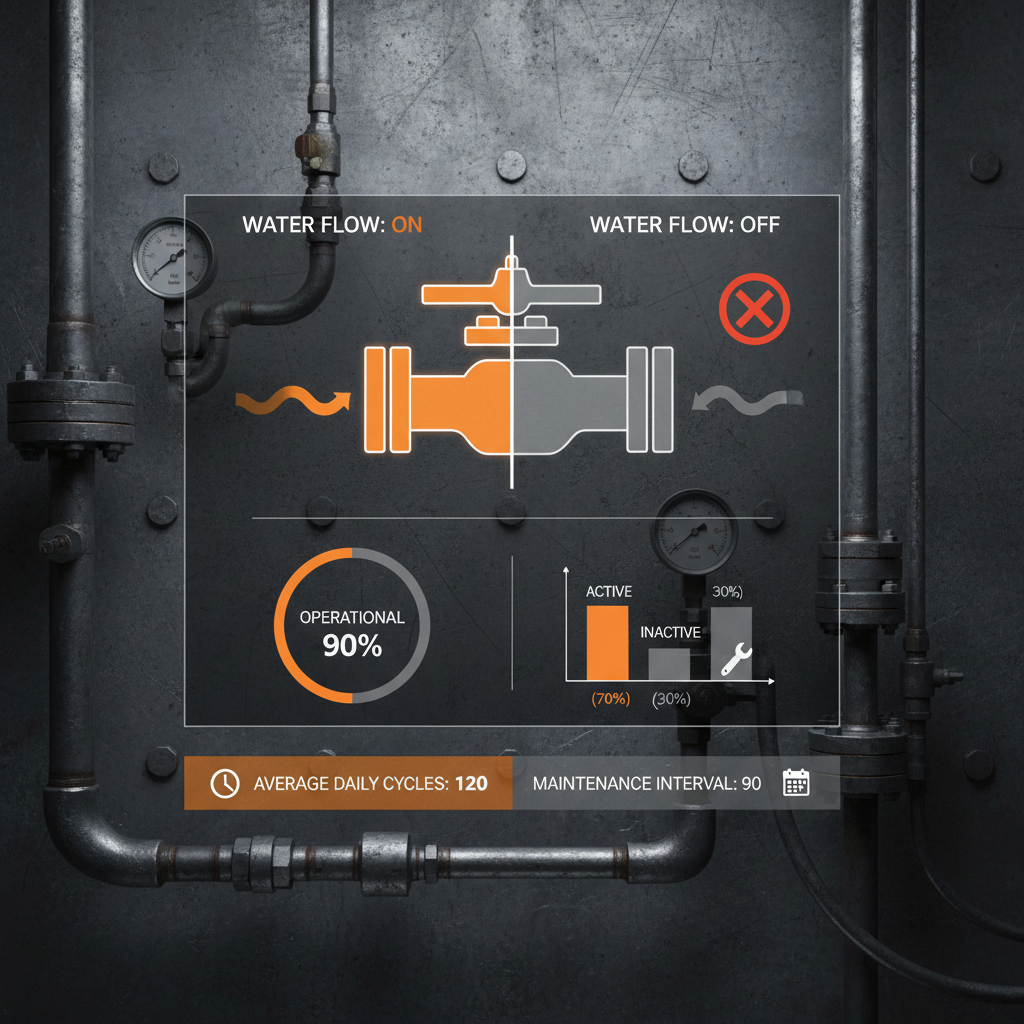
The core function of any on off water valve is straightforward: to control the flow of water. However, the nuances of design and application are vast. From simple ball valves used in home plumbing to sophisticated automated control valves in industrial plants, the choices are extensive. Understanding these different types and their capabilities is vital for selecting the optimal valve for a specific purpose.
The quality and reliability of an on off water valve directly impact the efficiency and safety of entire water systems. A leaking or malfunctioning valve can lead to water wastage, increased energy costs, and potentially catastrophic failures. Therefore, careful consideration of material, construction, and maintenance is essential for long-term performance.
When selecting an on off water valve, prioritize the application’s specific needs. Consider the fluid type, temperature, pressure, pipe size, and required flow rate. Material compatibility is crucial to prevent corrosion and ensure longevity. Also, evaluate the operating environment—indoor vs. outdoor, exposure to harsh chemicals, or potential for freezing. Finally, consider whether manual, automatic, or remote operation is required.
Regular inspection and maintenance are critical for ensuring the reliable operation of on off water valves. A minimum annual inspection is recommended, including a visual check for leaks, corrosion, and damage. Lubrication of moving parts, if applicable, is essential. For critical applications, more frequent inspections—quarterly or even monthly—may be necessary. Keep detailed maintenance records to track performance and identify potential issues.
Several common types of on off water valves exist, each suited for different applications. Ball valves are popular for quick shut-off, while gate valves offer low flow resistance. Butterfly valves are ideal for large-diameter pipes, and globe valves provide precise flow control. Check valves prevent backflow, and solenoid valves enable automated operation. The best choice depends on specific requirements.
The materials used in on off water valve construction vary depending on the application and fluid handled. Common materials include brass (for potable water), stainless steel (for corrosion resistance), cast iron (for heavy-duty applications), and PVC or CPVC (for chemical resistance). Seals and gaskets are often made from materials like EPDM or Teflon to ensure a watertight seal.
Preventing leaks in on off water valves involves proper installation, regular inspection, and timely maintenance. Ensure the valve is correctly sized for the pipe and that all connections are tight. Periodically check seals and gaskets for wear and tear, replacing them as needed. Avoid over-tightening, which can damage the valve body. Address any signs of corrosion promptly.
Automation plays a crucial role in modern on off water valve systems. Automated valves, often controlled by sensors and programmable logic controllers (PLCs), enable remote operation, precise flow regulation, and proactive leak detection. This leads to increased efficiency, reduced labor costs, and improved safety. Automated systems can also integrate with larger building management or industrial control systems.
In summary, the on off water valve is a deceptively simple yet fundamentally important component in countless systems worldwide. Its role in controlling water flow is critical for ensuring efficiency, safety, and sustainability. From its core components to its diverse applications and emerging innovations, understanding the nuances of this technology is essential for professionals across various industries.
Looking ahead, the integration of smart technologies and a continued focus on sustainable materials will shape the future of on off water valves. Investing in high-quality valves, implementing proactive maintenance programs, and embracing innovative solutions will be key to addressing global water challenges and ensuring a secure water future.

 Afrikaans
 Albanian
 Amharic
 Arabic
 Armenian
 Azerbaijani
 Basque
 Belarusian
 Bengali
 Bosnian
 Bulgarian
 Catalan
 Cebuano
 Corsican
 Croatian
 Czech
Czech
 Danish
 Dutch
Dutch
 Esperanto
 Estonian
 Finnish
 French
 Frisian
 Galician
 Georgian
 German
 Greek
Greek
 Gujarati
 Haitian Creole
 Hausa
Hausa
 Hawaiian
 Hebrew
 Hindi
Hindi
 Miao
Miao
 Hungarian
 Icelandic
 Igbo
Igbo
 Indonesian
 Irish
Irish
 Italian
 Japanese
 Javanese
 Kannada
 Kazakh
 Khmer
Khmer
 Rwandese
 Korean
 Kurdish
 Kyrgyz
 Lao
Lao
 Latin
Latin
 Latvian
 Lithuanian
 Luxembourgish
 Macedonian
 Malgashi
 Malay
Malay
 Malayalam
 Maltese
 Maori
Maori
 Marathi
 Mongolian
 Myanmar
 Nepali
 Norwegian
 Norwegian
 Occitan
 Pashto
 Persian
 Polish
 Portuguese
 Punjabi
 Romanian
 Russian
 Samoan
 Scottish Gaelic
 Serbian
 Sesotho
 Shona
Shona
 Sindhi
 Sinhala
 Slovak
 Slovenian
 Somali
 Spanish
 Sundanese
 Swahili
 Swedish
 Tagalog
 Tajik
Tajik
 Tamil
Tamil
 Tatar
Tatar
 Telugu
 Thai
Thai
 Turkish
 Turkmen
 Ukrainian
 Urdu
Urdu
 Uighur
 Uzbek
Uzbek
 Vietnamese
 Welsh
Welsh
 Bantu
Bantu
 Yiddish
 Yoruba
 Zulu
Zulu
 English