Water valves are essential components in a multitude of systems, controlling the flow of water for diverse applications ranging from residential plumbing to large-scale industrial processes. Their functionality is paramount to maintaining efficiency, safety, and reliability across numerous sectors, impacting daily life globally. Understanding the intricacies of water valves – their types, materials, and operational principles – is crucial for engineers, technicians, and anyone involved in water management.
The global market for water valves is substantial and continuously growing, driven by increasing urbanization, population growth, and the demand for efficient water infrastructure. According to the UN, billions lack access to clean water, highlighting the critical need for robust and well-maintained water systems. ISO standards further emphasize the importance of quality control and performance in valve manufacturing and installation, ensuring longevity and minimizing waste. This underscores the significance of advancements in water valves technology.
Addressing challenges like water scarcity and aging infrastructure necessitates a deeper understanding of these vital components. Effective water valve solutions contribute directly to conservation efforts, preventing leaks and optimizing water distribution. Consequently, the proper selection, installation, and maintenance of water valves are not merely technical considerations, but also have profound social and economic implications.
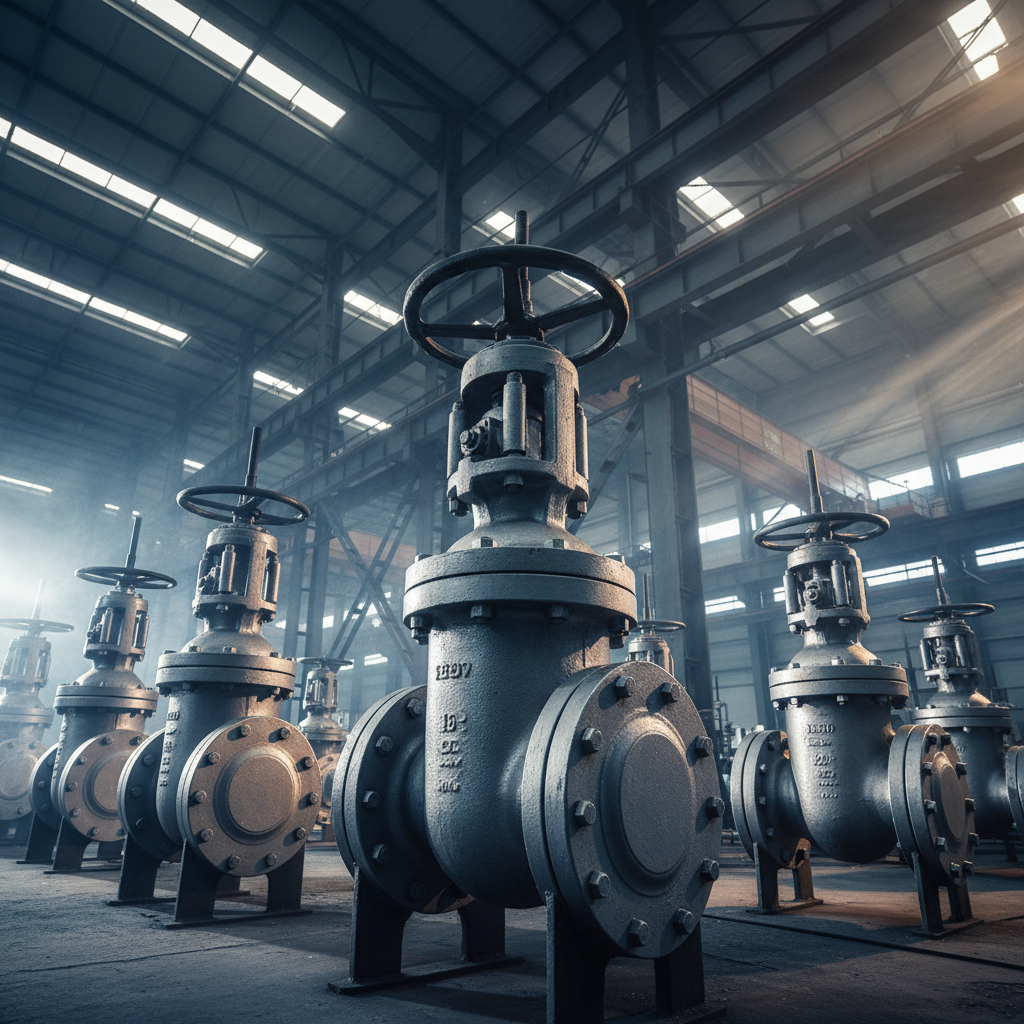

Water valves are fundamental to the operation of countless systems worldwide, impacting everything from agricultural irrigation to municipal water supplies. The World Bank estimates that investing in water infrastructure is critical for sustainable development, and efficient valve systems are a core component of this investment. Reliable water valves reduce water loss, improve water quality, and contribute to public health.
Without effective water valves, maintaining consistent water pressure, preventing backflow contamination, and regulating flow rates would be impossible. The increasing demand for water resources, coupled with the need for sustainable practices, makes advancements in water valves more critical than ever before.
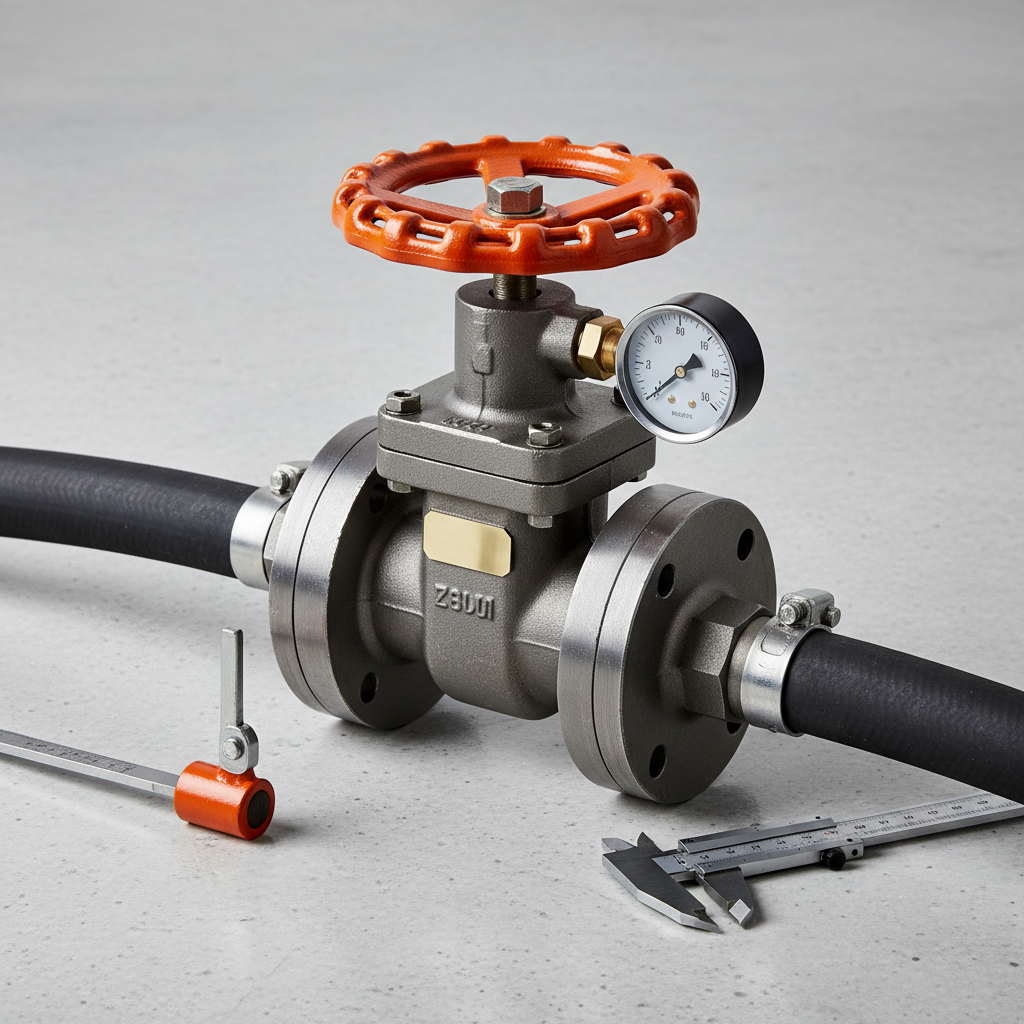
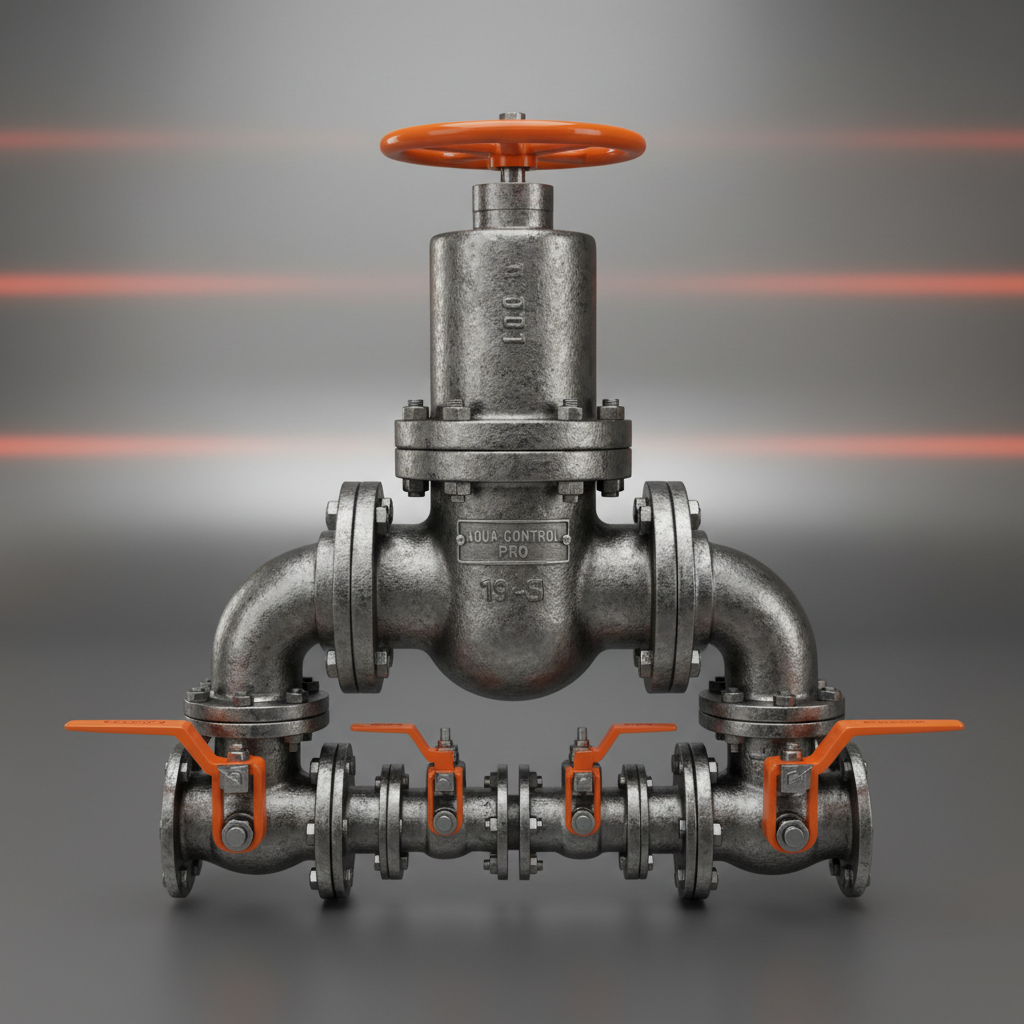
In residential settings, ball valves, gate valves, globe valves, and angle stop valves are commonly used. Ball valves are favored for their quick shut-off capabilities, while gate valves are used for isolating sections of pipe. Globe valves regulate flow, and angle stop valves control water supply to fixtures. Choosing the right valve depends on the specific application and desired level of control. Maintaining these water valves is vital to avoid leaks and ensure a secure water supply.
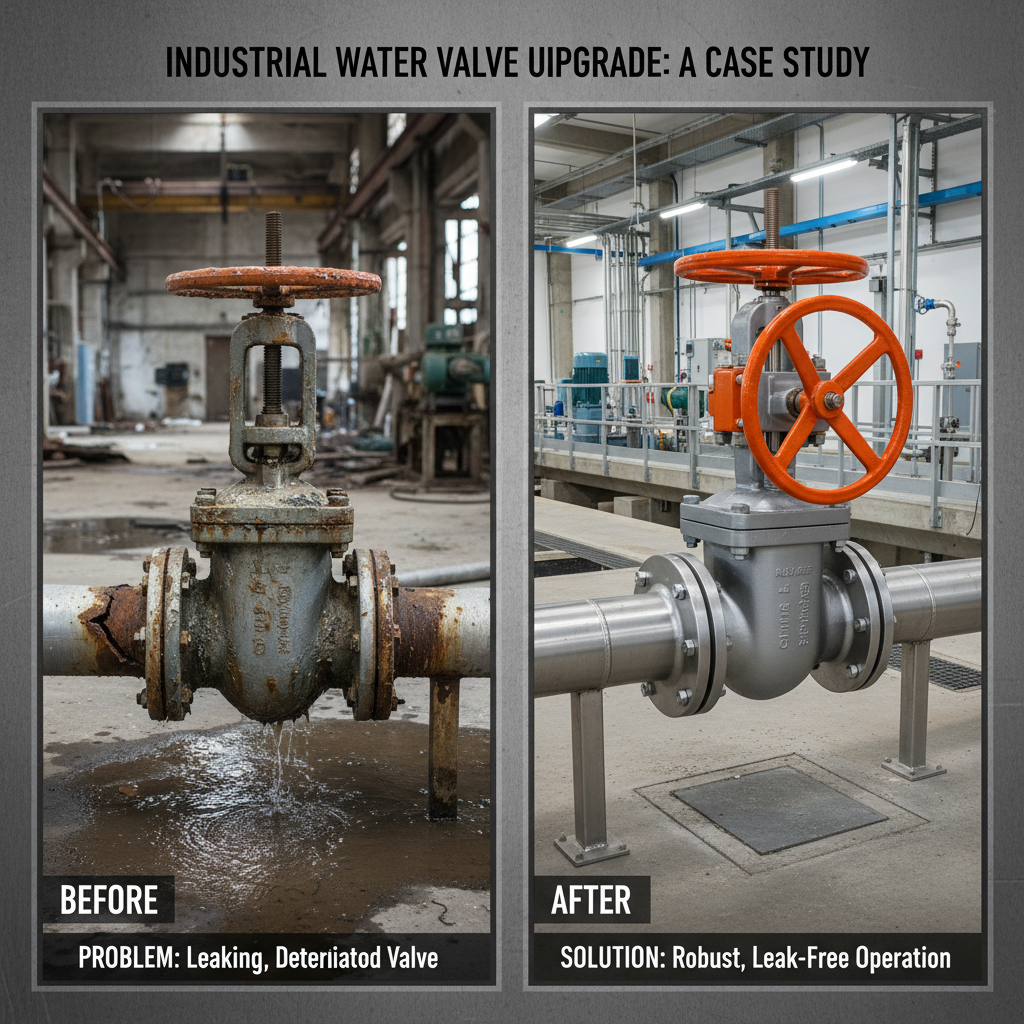
Ideally, water valves should be inspected annually as part of a comprehensive plumbing maintenance routine. Look for signs of corrosion, leaks, or difficulty in operation. Valves in high-use areas or those exposed to harsh conditions may require more frequent inspection. Regular maintenance can prevent costly repairs and extend the lifespan of your valves. Early detection and repair of valve issues contribute to water conservation and prevent potential damage.
Common materials include brass, bronze, stainless steel, and various plastics. Brass and bronze offer excellent corrosion resistance and are suitable for potable water systems. Stainless steel is even more durable and corrosion-resistant, making it ideal for harsh environments. Plastics are lightweight and cost-effective but may have limitations in terms of temperature and pressure resistance. The material selection depends on the intended application and water quality.
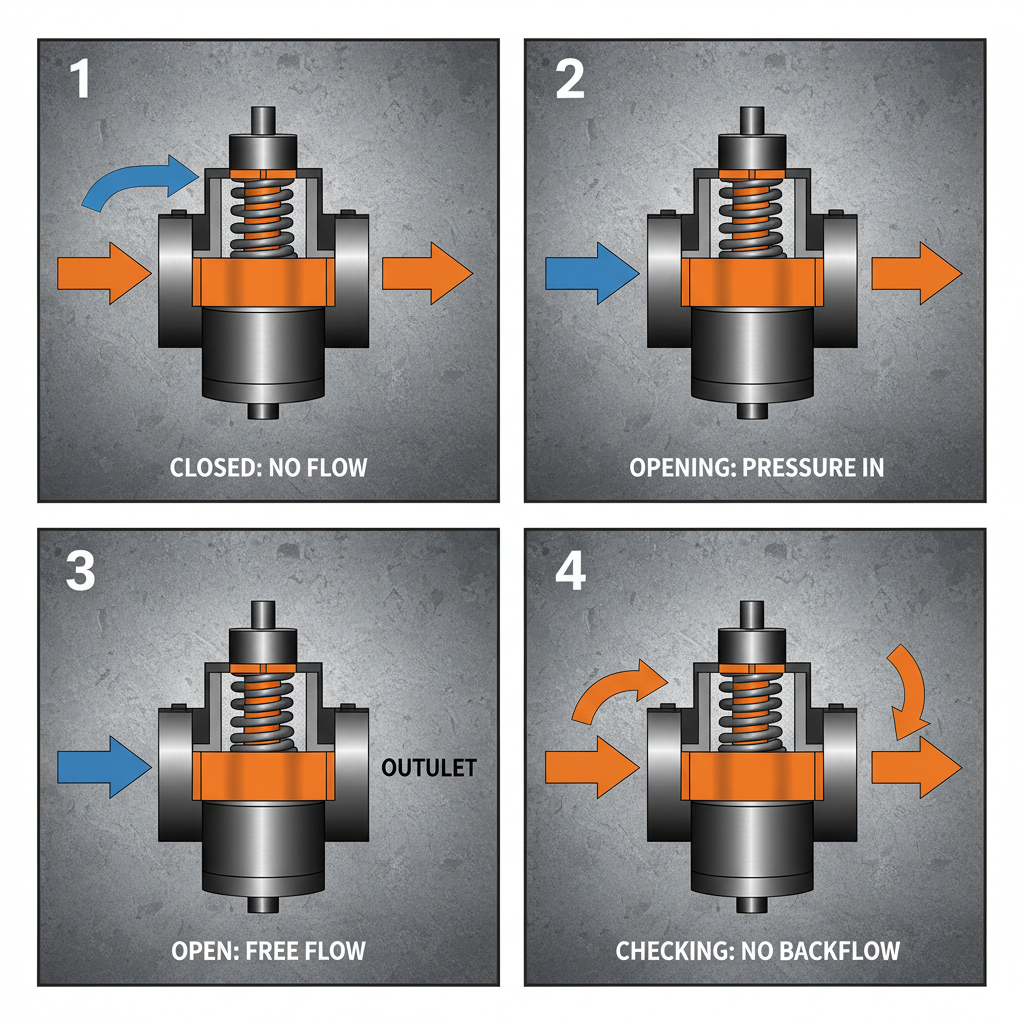
Gate valves and ball valves both control water flow, but they operate differently. Gate valves use a gate that slides up and down to open or close the passageway, offering precise flow control but slower operation. Ball valves use a rotating ball with a bore to allow or block flow, providing quick shut-off but less precise control. Ball valves are typically preferred when quick isolation is needed, while gate valves are better for throttling flow.
Signs of a failing water valve include dripping or leaking around the valve body, difficulty turning the handle, a rattling or grinding noise, and reduced water flow. A noticeable decrease in water pressure can also indicate a problem. Ignoring these signs can lead to more extensive damage and water waste. Addressing these issues promptly by repairing or replacing the faulty water valve is crucial.
Yes, there are water valves specifically designed for outdoor applications. These valves are typically made from materials that are resistant to UV radiation, freezing temperatures, and corrosion. They often include features like drain plugs to prevent water from freezing inside the valve during cold weather. Using outdoor-rated valves is essential for maintaining reliable water flow in irrigation systems and other outdoor plumbing applications.
In conclusion, water valves are indispensable components of modern infrastructure, playing a vital role in water management, resource conservation, and public health. Understanding their diverse types, key characteristics, and emerging technologies is crucial for engineers, technicians, and anyone involved in water-related fields. Investing in high-quality, reliable valves is not merely a technical decision but a long-term investment in sustainability and community well-being.
Looking ahead, the integration of smart technologies, advanced materials, and data analytics will further enhance the performance and efficiency of water valves. Embracing these innovations is essential for addressing the challenges of water scarcity, aging infrastructure, and the increasing demand for sustainable water management practices. Visit our website at www.strmachinery.com to explore our comprehensive range of water valve solutions.

 Afrikaans
 Albanian
 Amharic
 Arabic
 Armenian
 Azerbaijani
 Basque
 Belarusian
 Bengali
 Bosnian
 Bulgarian
 Catalan
 Cebuano
 Corsican
 Croatian
 Czech
Czech
 Danish
 Dutch
Dutch
 Esperanto
 Estonian
 Finnish
 French
 Frisian
 Galician
 Georgian
 German
 Greek
Greek
 Gujarati
 Haitian Creole
 Hausa
Hausa
 Hawaiian
 Hebrew
 Hindi
Hindi
 Miao
Miao
 Hungarian
 Icelandic
 Igbo
Igbo
 Indonesian
 Irish
Irish
 Italian
 Japanese
 Javanese
 Kannada
 Kazakh
 Khmer
Khmer
 Rwandese
 Korean
 Kurdish
 Kyrgyz
 Lao
Lao
 Latin
Latin
 Latvian
 Lithuanian
 Luxembourgish
 Macedonian
 Malgashi
 Malay
Malay
 Malayalam
 Maltese
 Maori
Maori
 Marathi
 Mongolian
 Myanmar
 Nepali
 Norwegian
 Norwegian
 Occitan
 Pashto
 Persian
 Polish
 Portuguese
 Punjabi
 Romanian
 Russian
 Samoan
 Scottish Gaelic
 Serbian
 Sesotho
 Shona
Shona
 Sindhi
 Sinhala
 Slovak
 Slovenian
 Somali
 Spanish
 Sundanese
 Swahili
 Swedish
 Tagalog
 Tajik
Tajik
 Tamil
Tamil
 Tatar
Tatar
 Telugu
 Thai
Thai
 Turkish
 Turkmen
 Ukrainian
 Urdu
Urdu
 Uighur
 Uzbek
Uzbek
 Vietnamese
 Welsh
Welsh
 Bantu
Bantu
 Yiddish
 Yoruba
 Zulu
Zulu
 English