All metal valve solutions are increasingly vital across numerous industries, from oil and gas to chemical processing and water treatment. Their robust construction and reliable performance make them essential for controlling fluid flow in demanding environments. Understanding the specific applications, benefits, and future trends of all metal valve is crucial for engineers, procurement specialists, and anyone involved in process systems design and maintenance. This knowledge empowers informed decision-making, leading to increased operational efficiency, enhanced safety, and reduced long-term costs.
The global demand for all metal valve is driven by factors such as increasing industrialization, stringent safety regulations, and the need for durable and long-lasting components. According to market research, the valve industry is projected to reach significant growth in the coming years, with all metal valve representing a substantial segment. These valves address critical challenges related to corrosion, high temperatures, and pressures, where conventional materials fall short. Addressing these challenges is paramount for sustainable and reliable infrastructure.
Investing in understanding all metal valve is an investment in the future of reliable and efficient process control. From minimizing downtime through superior durability to ensuring environmental compliance through leak-proof designs, the benefits extend far beyond the initial purchase price. Mastery of this technology unlocks opportunities for innovation and optimized performance across a spectrum of critical applications.

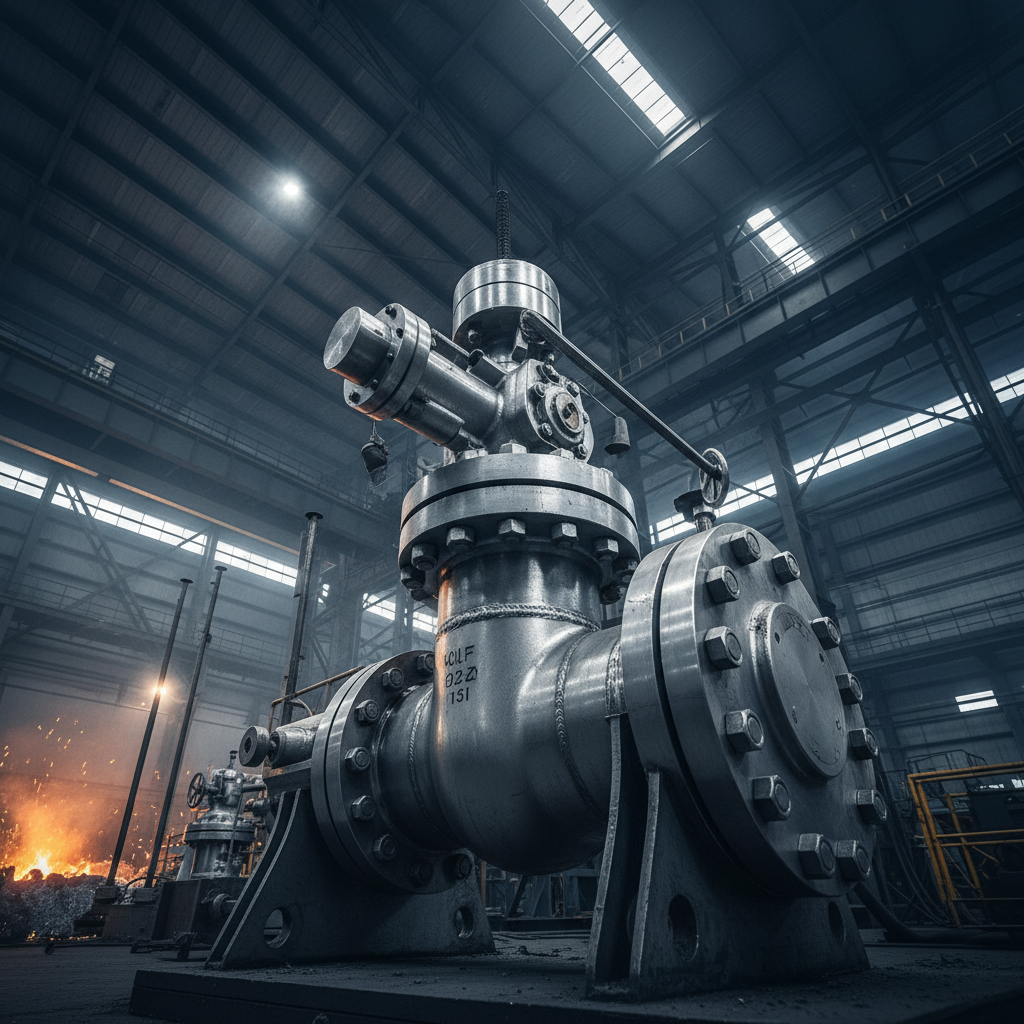
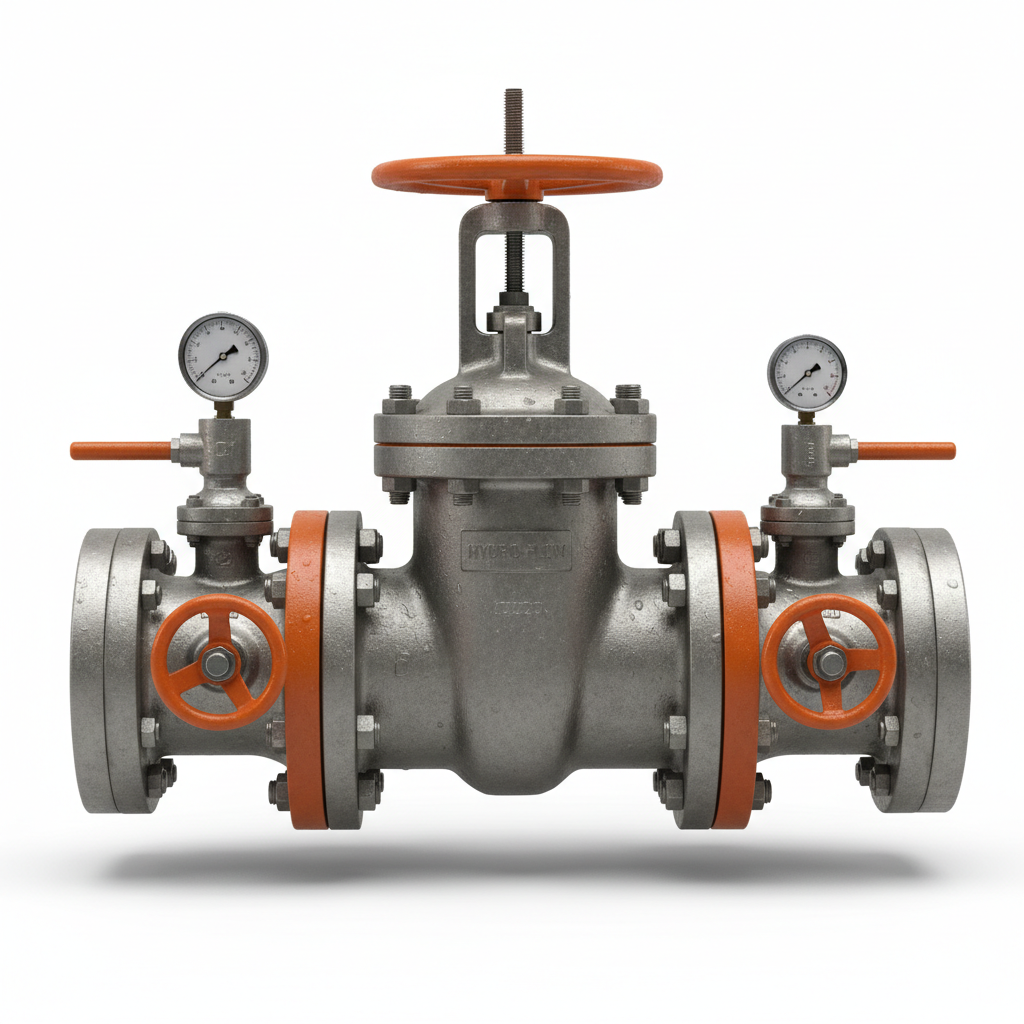
All metal valve are designed for applications where corrosion resistance, high temperature performance, and long-term reliability are critical. Unlike valves with rubber or polymer components, all metal valve are constructed entirely from metallic materials, eliminating the risk of degradation from chemical exposure or extreme temperatures. This makes them ideal for use in harsh environments where failure is not an option.
The increasing demand for all metal valve is a testament to their superior performance and durability. As industries continue to push the boundaries of process control, the need for valves that can withstand increasingly challenging conditions grows. All metal valve represent a significant advancement in valve technology, offering a solution to the limitations of traditional valve designs.
All metal valve offer superior durability, corrosion resistance, and high-temperature performance compared to traditional valves with polymeric components. They eliminate the risk of degradation from aggressive chemicals or extreme temperatures, resulting in a longer service life, reduced maintenance, and enhanced safety. This translates into lower total cost of ownership and increased operational reliability.
All metal valve are widely used in industries with demanding operating conditions, including oil and gas, chemical processing, power generation, aerospace, and marine engineering. They are also essential in water treatment facilities, geothermal energy plants, and any application requiring reliable control of fluids in harsh environments.
Common materials used in all metal valve include various grades of stainless steel (304, 316, etc.), alloy steels (Hastelloy, Inconel), titanium alloys, and specialty metals like Monel. The specific material selection depends on the application’s temperature, pressure, and chemical compatibility requirements.
All metal valve excel in high-temperature applications because they do not contain polymeric components that can degrade or melt. Their metallic construction allows them to withstand temperatures exceeding those of traditional valves, making them suitable for use in steam systems, geothermal energy plants, and high-temperature chemical processes. Careful material selection is crucial to ensure optimal performance.
The lifespan of an all metal valve is significantly longer than that of traditional valves, often exceeding several decades with proper maintenance. While specific lifespan varies depending on the application and operating conditions, their inherent durability and corrosion resistance contribute to a considerably extended service life, reducing the need for frequent replacements.
The initial cost of all metal valve is generally higher than that of traditional valves. However, the total cost of ownership is often lower due to their extended service life, reduced maintenance requirements, and enhanced reliability. A thorough life-cycle cost analysis typically demonstrates the long-term economic benefits of investing in all metal valve.
In conclusion, all metal valve represent a crucial advancement in fluid control technology, offering superior durability, reliability, and performance in demanding environments. Their robust construction and resistance to corrosion, high temperatures, and pressures make them essential for a wide range of industries, from oil and gas to chemical processing and power generation. Understanding the core characteristics, applications, and future trends of these valves is vital for optimizing process efficiency, ensuring safety, and minimizing long-term costs.
Looking ahead, continued innovation in materials science, digitalization, and sustainable manufacturing practices will further enhance the capabilities of all metal valve. As industries strive for greater efficiency, safety, and environmental responsibility, the demand for these high-performance valves will only continue to grow. To learn more about how all metal valve can benefit your operations, visit our website: www.strmachinery.com.

 Afrikaans
 Albanian
 Amharic
 Arabic
 Armenian
 Azerbaijani
 Basque
 Belarusian
 Bengali
 Bosnian
 Bulgarian
 Catalan
 Cebuano
 Corsican
 Croatian
 Czech
Czech
 Danish
 Dutch
Dutch
 Esperanto
 Estonian
 Finnish
 French
 Frisian
 Galician
 Georgian
 German
 Greek
Greek
 Gujarati
 Haitian Creole
 Hausa
Hausa
 Hawaiian
 Hebrew
 Hindi
Hindi
 Miao
Miao
 Hungarian
 Icelandic
 Igbo
Igbo
 Indonesian
 Irish
Irish
 Italian
 Japanese
 Javanese
 Kannada
 Kazakh
 Khmer
Khmer
 Rwandese
 Korean
 Kurdish
 Kyrgyz
 Lao
Lao
 Latin
Latin
 Latvian
 Lithuanian
 Luxembourgish
 Macedonian
 Malgashi
 Malay
Malay
 Malayalam
 Maltese
 Maori
Maori
 Marathi
 Mongolian
 Myanmar
 Nepali
 Norwegian
 Norwegian
 Occitan
 Pashto
 Persian
 Polish
 Portuguese
 Punjabi
 Romanian
 Russian
 Samoan
 Scottish Gaelic
 Serbian
 Sesotho
 Shona
Shona
 Sindhi
 Sinhala
 Slovak
 Slovenian
 Somali
 Spanish
 Sundanese
 Swahili
 Swedish
 Tagalog
 Tajik
Tajik
 Tamil
Tamil
 Tatar
Tatar
 Telugu
 Thai
Thai
 Turkish
 Turkmen
 Ukrainian
 Urdu
Urdu
 Uighur
 Uzbek
Uzbek
 Vietnamese
 Welsh
Welsh
 Bantu
Bantu
 Yiddish
 Yoruba
 Zulu
Zulu
 English