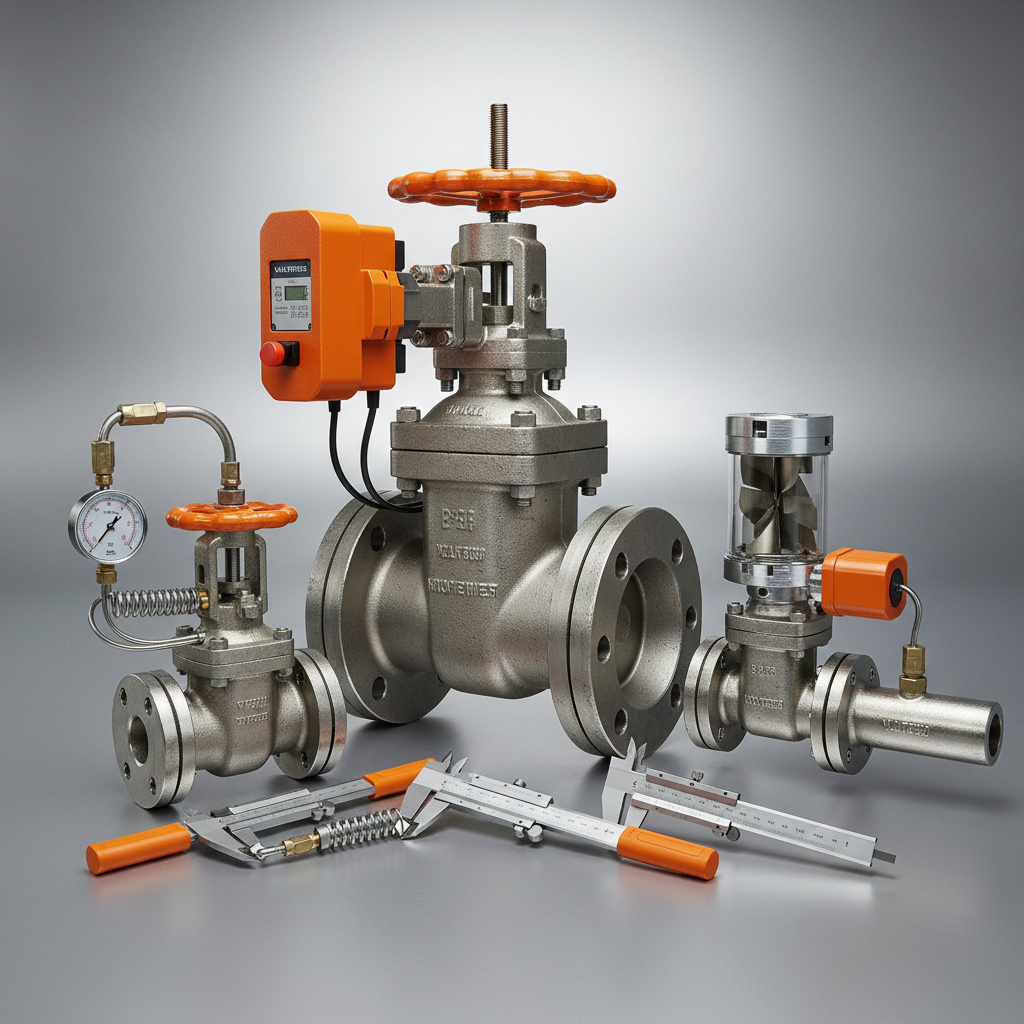
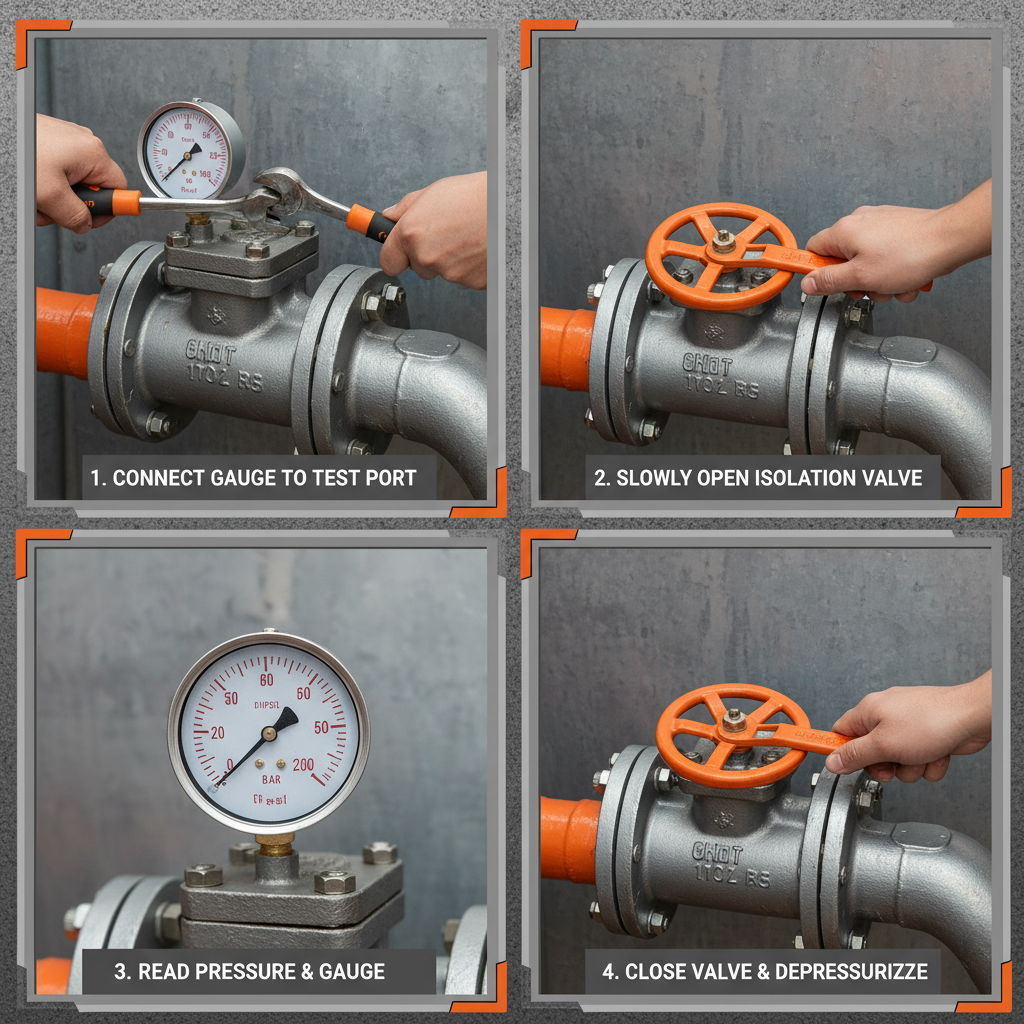
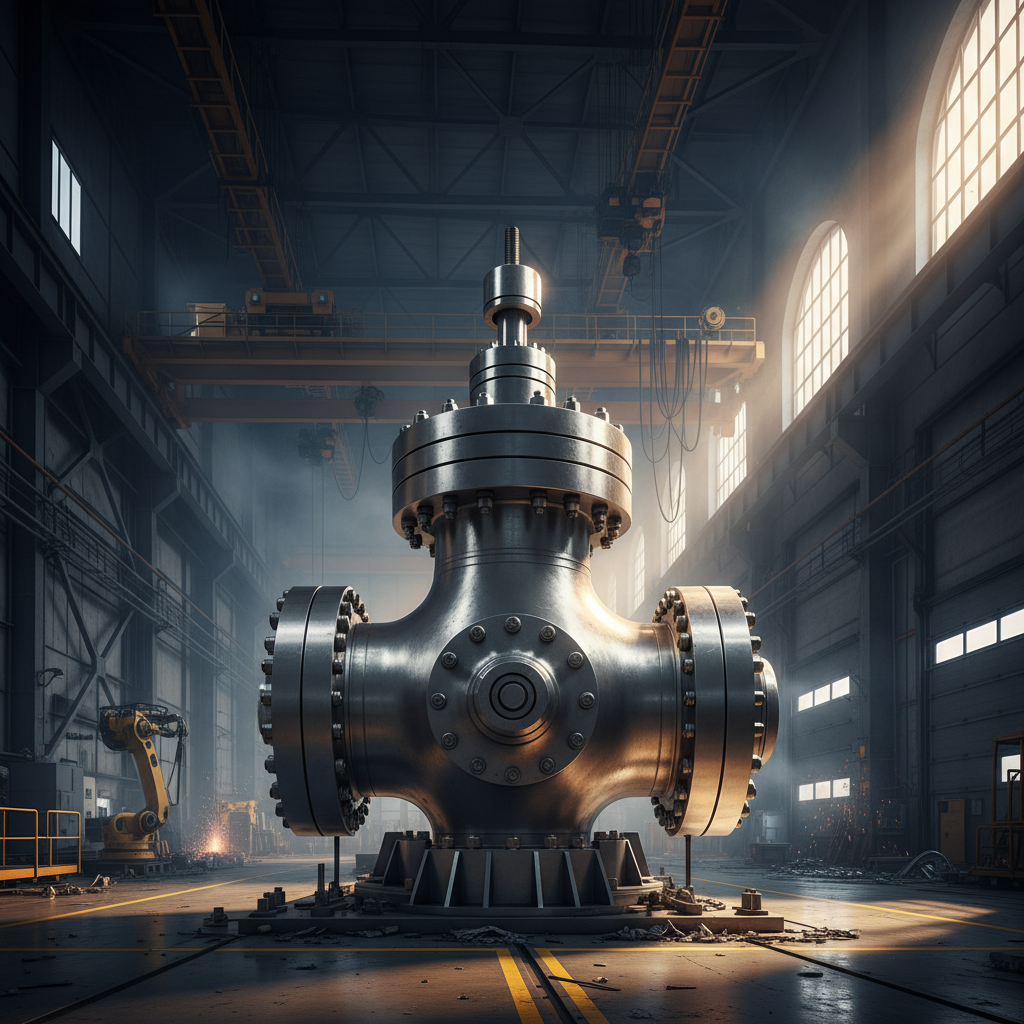
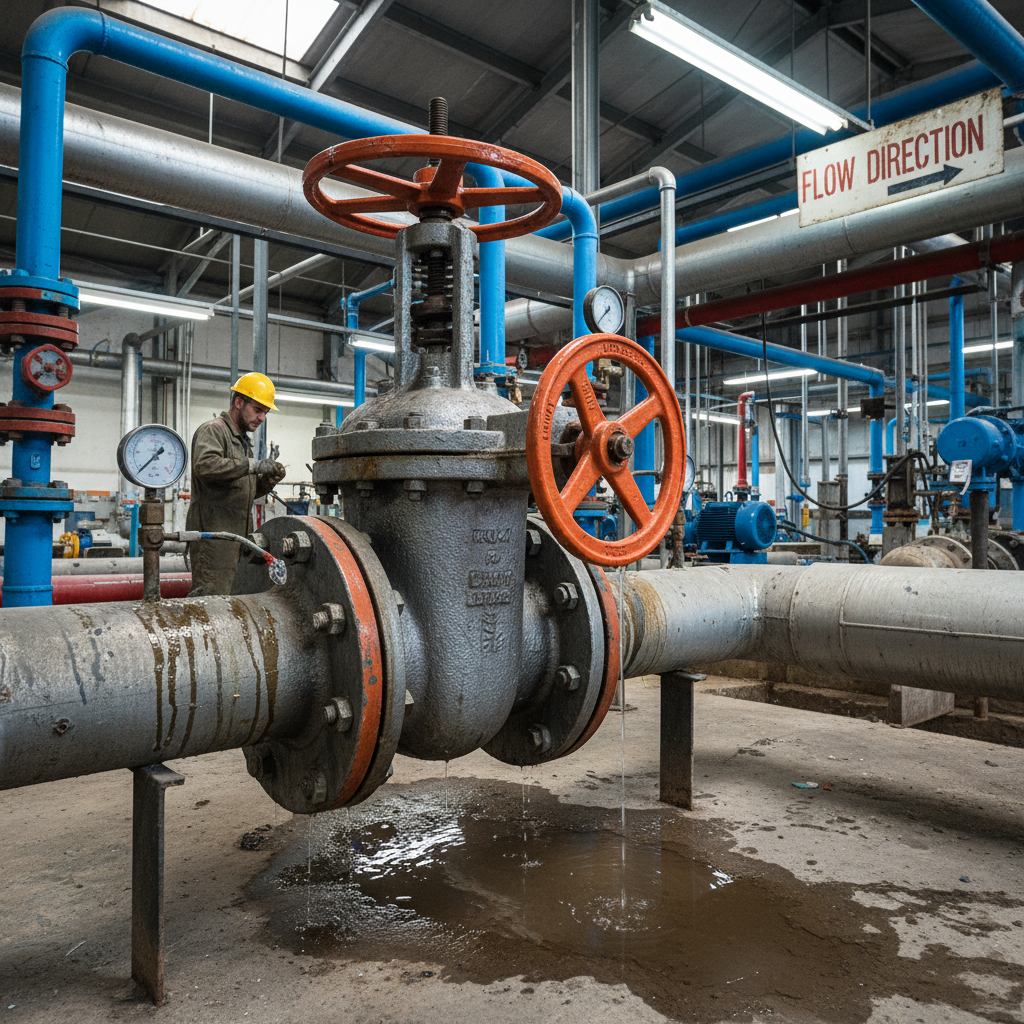
In the complex ecosystem of industrial fluid control, the ability to efficiently turn on water valve systems is more than a simple mechanical action; it is the starting point of operational productivity. From massive CNC machining centers to precision rubber molding plants, the controlled release of water—whether for cooling, lubrication, or cleaning—determines the longevity of expensive hardware and the quality of the final output.
Across the global manufacturing landscape, the reliability of valve actuation is closely tied to the stability of the machinery they serve. When an operator needs to turn on water valve components in a high-pressure environment, the precision of the valve and the stability of the machine mount supporting the surrounding piping are critical. Any vibration or misalignment can lead to premature wear, leaking seals, and costly unscheduled downtime.
Understanding the technical nuances of how to turn on water valve systems safely and effectively allows facility managers to optimize their resource consumption and improve workplace safety. By integrating high-quality fasteners and vibration-damping mounts, industries ensure that the act of initiating fluid flow does not introduce mechanical stress into the system, thereby preserving the integrity of the entire production line.


Globally, the demand for precision fluid control has surged as ISO standards for industrial efficiency become more stringent. In sectors like metalcutting and plastic molding, the requirement to turn on water valve systems for thermal regulation is a constant necessity. According to industrial benchmarks, inefficient fluid startup sequences can contribute to a 5-10% increase in energy waste due to improper thermal equilibrium in the machinery.
The challenge lies in the harsh environments where these valves operate. In Hebei's manufacturing hubs or international machinery repair shops, valves are often exposed to oils, refrigerants, and heavy vibrations. This makes the synergy between the valve handle and the supporting structure essential; without proper anti-vibration mounts, the mechanical shock from a sudden flow can destabilize precision tools.
Difficulty often arises from mineral buildup (scaling) inside the valve or the degradation of internal seals. Additionally, if the machine lacks proper vibration-damping mounts, the valve housing may have shifted slightly, causing misalignment between the stem and the seat, which increases the torque required to turn the valve on.
Yes, if the valve is opened too rapidly, it can create a pressure surge known as "water hammer." This shockwave can stress joints, loosen bolts, and even burst pipes. We recommend a gradual opening process and the use of shock-absorbing machine mounts to dampen the mechanical impact on the surrounding structure.
For industrial environments, a combination of cast iron for structural strength and Nitrile rubber for dampening is ideal. Nitrile rubber is particularly effective because it resists oil and refrigerants, which are often present in the same area where you turn on water valve systems for machine cooling.
Due to the natural creep phenomenon of rubber, we recommend adjusting the level of the machine and checking the tightness of the valve support bolts approximately every two weeks after initial installation, and then monthly thereafter to ensure a stable platform to turn on water valve flows.
Absolutely. The most common method is installing an electric solenoid valve or a pneumatic actuator connected to a PLC (Programmable Logic Controller). These systems can be programmed to turn on water valve flows based on specific timers or temperature thresholds, increasing efficiency and reducing labor.
Yes, the bolt size (ranging from M5 to M30) determines the clamping force and the load-bearing capacity of the mount. Choosing the correct bolt size ensures that the valve doesn't wobble or vibrate when the operator attempts to turn on water valve controls, maintaining the precision of the associated machinery.
In summary, the ability to turn on water valve systems with precision and reliability is a fundamental requirement for modern industrial success. From the selection of corrosion-resistant materials like cast iron and Nitrile rubber to the implementation of vibration-damping mounts, every detail contributes to the stability of the production line. By focusing on the synergy between valve actuation and mechanical support, manufacturers can reduce downtime, protect their equipment, and ensure a safer working environment.
Looking forward, the integration of IoT and smart automation will further refine how we manage fluid flow, turning a manual task into a data-driven process. We encourage facility managers to audit their current mounting and valve systems to ensure they are optimized for the demands of Industry 4.0. For high-quality machine mounts and precision tools that support these essential operations, visit our website: www.strmachinery.com

 Afrikaans
 Albanian
 Amharic
 Arabic
 Armenian
 Azerbaijani
 Basque
 Belarusian
 Bengali
 Bosnian
 Bulgarian
 Catalan
 Cebuano
 Corsican
 Croatian
 Czech
 Danish
 Dutch
 Esperanto
 Estonian
 Finnish
 French
 Frisian
 Galician
 Georgian
 German
 Greek
 Gujarati
 Haitian Creole
 Hausa
 Hawaiian
 Hebrew
 Hindi
 Miao
 Hungarian
 Icelandic
 Igbo
 Indonesian
 Irish
 Italian
 Japanese
 Javanese
 Kannada
 Kazakh
 Khmer
 Rwandese
 Korean
 Kurdish
 Kyrgyz
 Lao
 Latin
 Latvian
 Lithuanian
 Luxembourgish
 Macedonian
 Malgashi
 Malay
 Malayalam
 Maltese
 Maori
 Marathi
 Mongolian
 Myanmar
 Nepali
 Norwegian
 Norwegian
 Occitan
 Pashto
 Persian
 Polish
 Portuguese
 Punjabi
 Romanian
 Russian
 Samoan
 Scottish Gaelic
 Serbian
 Sesotho
 Shona
 Sindhi
 Sinhala
 Slovak
 Slovenian
 Somali
 Spanish
 Sundanese
 Swahili
 Swedish
 Tagalog
 Tajik
 Tamil
 Tatar
 Telugu
 Thai
 Turkish
 Turkmen
 Ukrainian
 Urdu
 Uighur
 Uzbek
 Vietnamese
 Welsh
 Bantu
 Yiddish
 Yoruba
 Zulu
 English