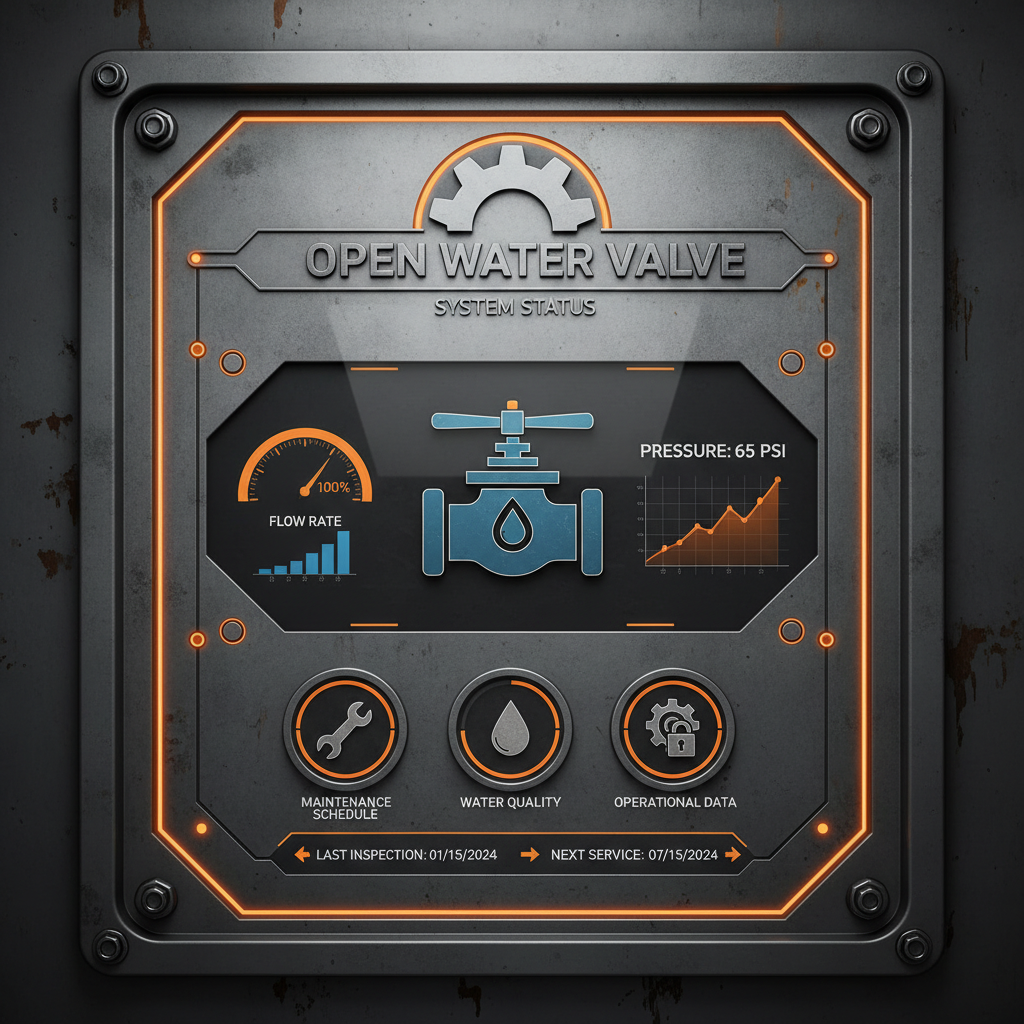
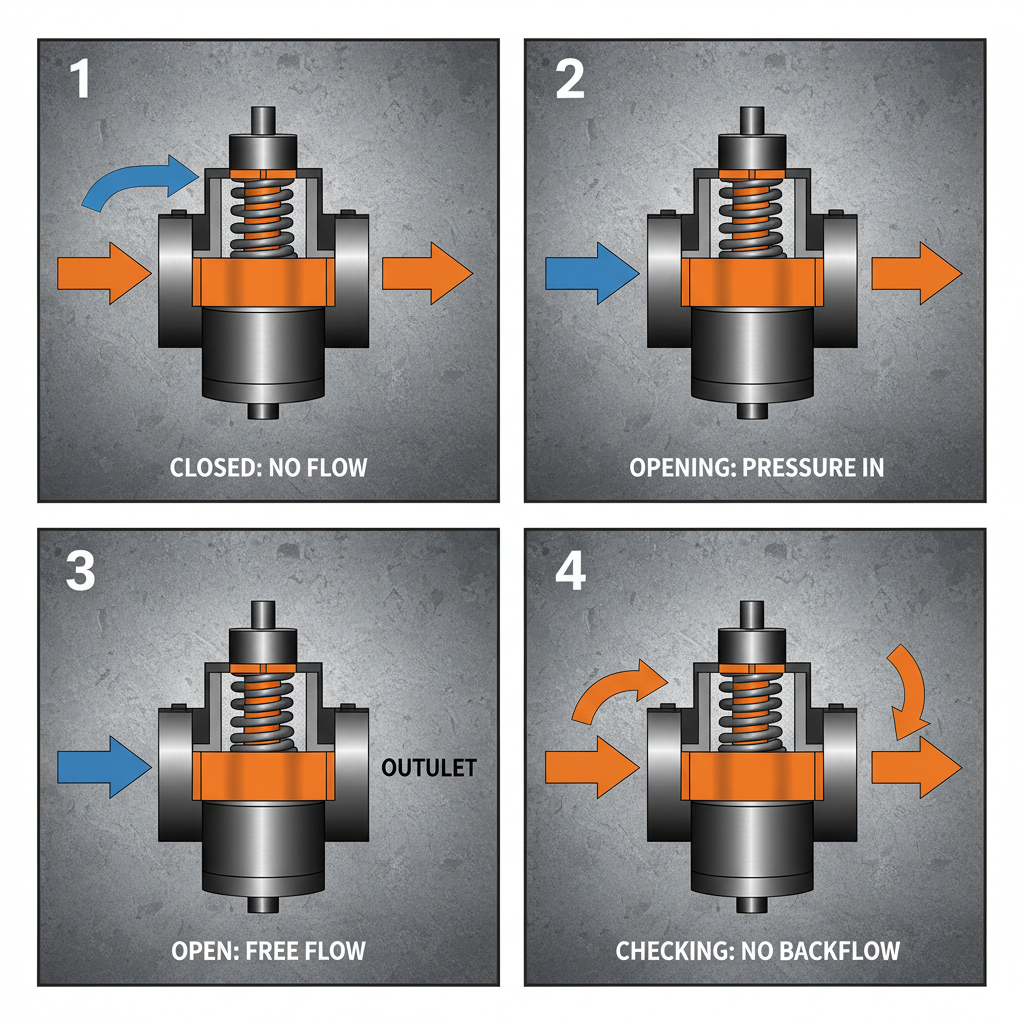
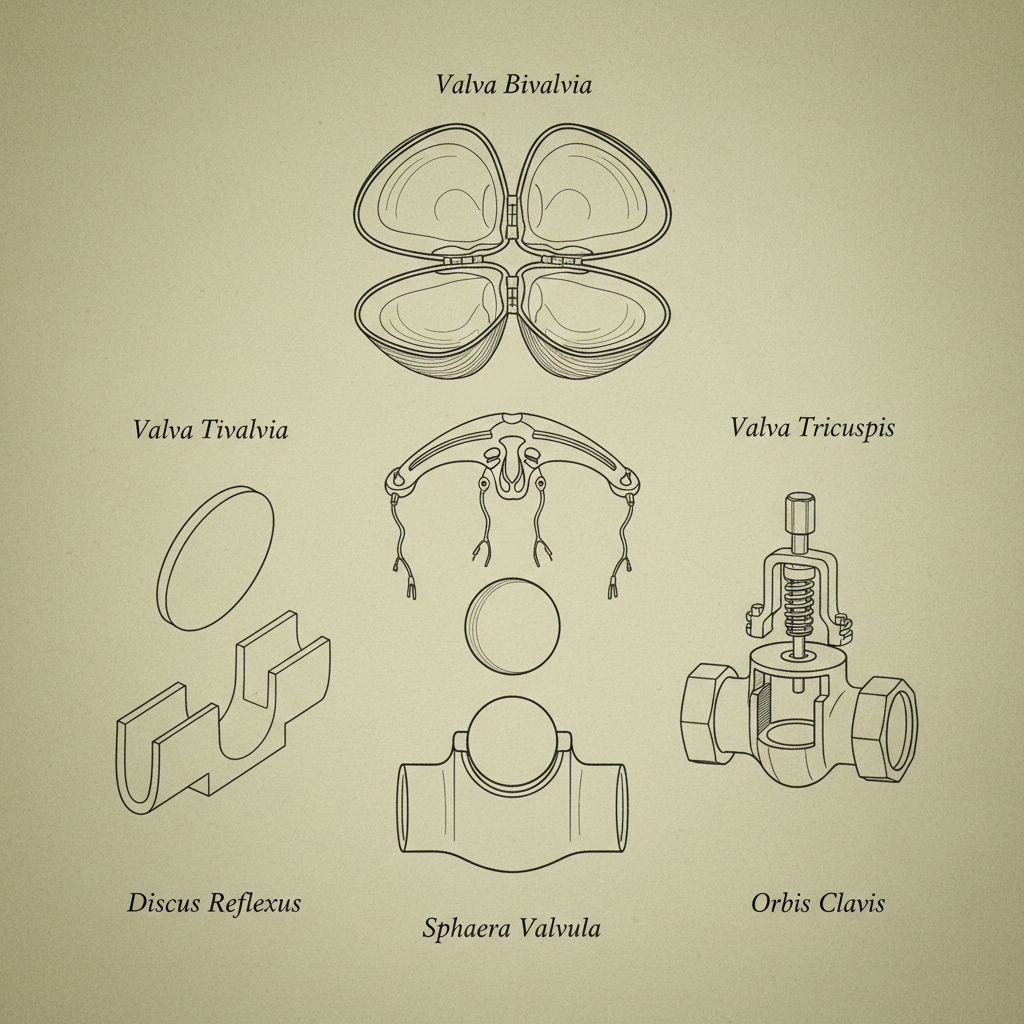
Metalvalves are critical components in a vast array of industrial processes, infrastructure systems, and even everyday applications. Their function – controlling the flow of liquids, gases, and slurries – is foundational to modern society, impacting everything from energy production and water distribution to chemical manufacturing and pharmaceutical processes. The global demand for reliable and efficient metalvalves continues to grow, driven by factors like industrial expansion, infrastructure development in emerging economies, and increasing emphasis on process optimization. Understanding the nuances of metalvalves is essential for engineers, technicians, and anyone involved in the design, operation, and maintenance of these vital systems.
The global metalvalve market is a multi-billion dollar industry, with significant regional variations in demand and technological adoption. According to reports, the Asia-Pacific region represents the largest and fastest-growing market, fueled by rapid industrialization in countries like China and India. North America and Europe remain significant markets, with a focus on high-performance valves and advanced materials. Challenges within the industry include increasing regulatory requirements related to safety and environmental protection, the need to improve energy efficiency in valve operation, and the rise of digital technologies like remote monitoring and predictive maintenance.
Addressing these challenges is crucial for ensuring the long-term sustainability and resilience of critical infrastructure. Innovations in valve design, materials science, and automation are key to meeting the evolving needs of industries worldwide. This document will explore the definition, key aspects, applications, advantages, future trends, and challenges related to metalvalves, providing a comprehensive overview of this essential technology.
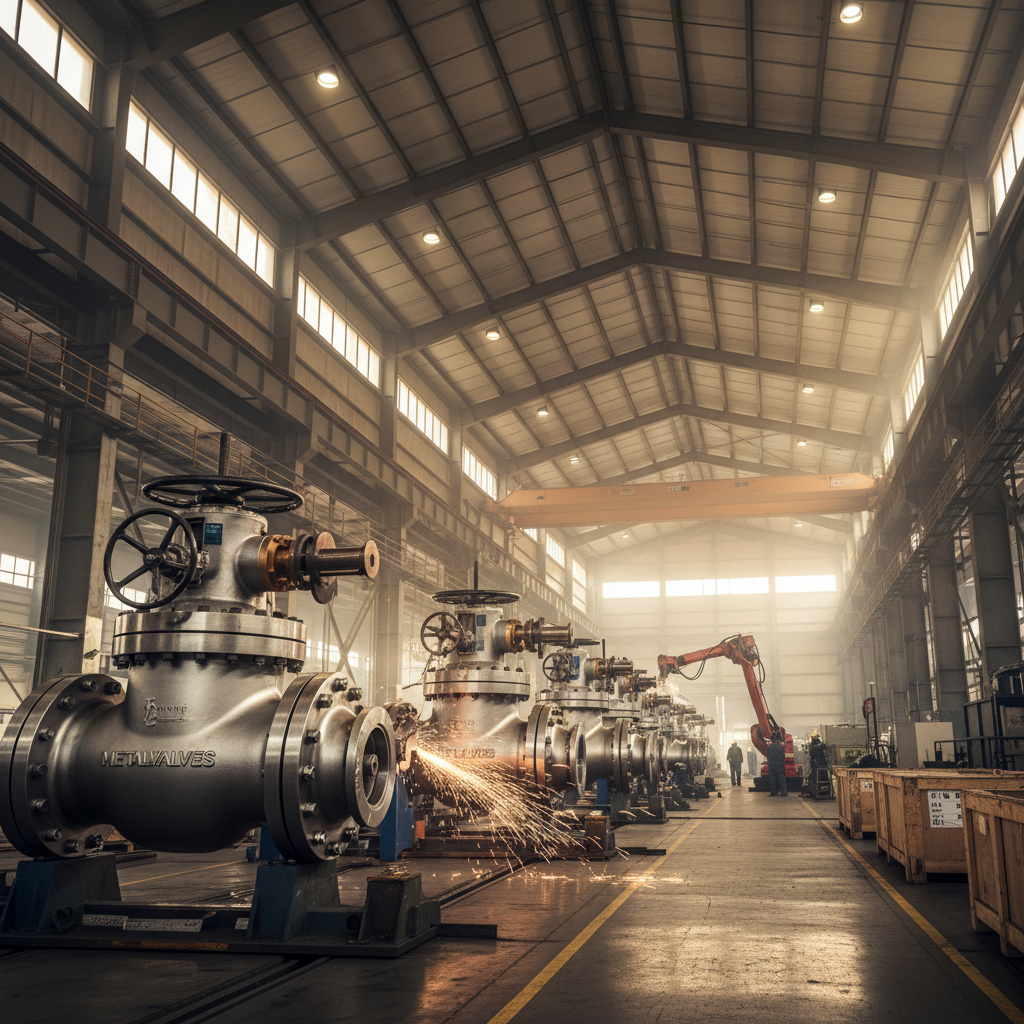
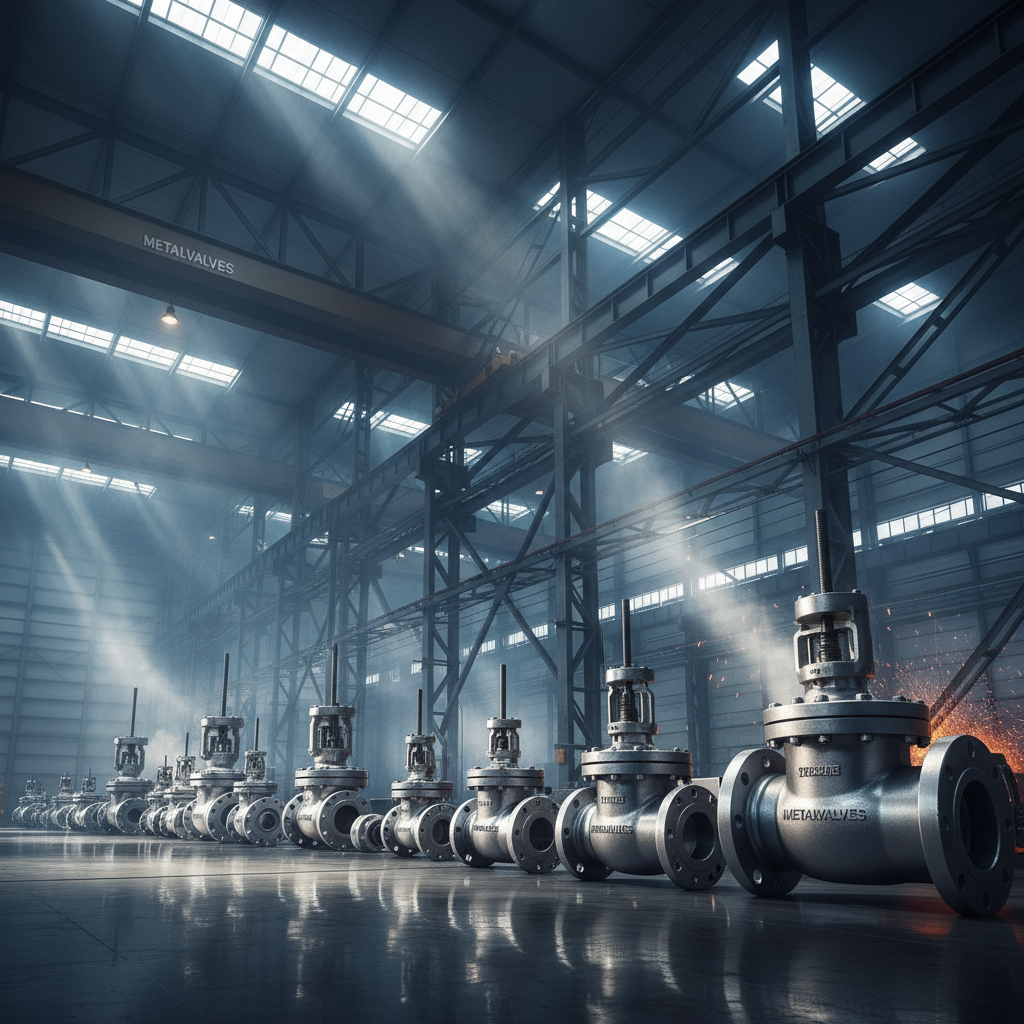
Metalvalves are mechanical devices used to regulate, direct, or stop the flow of fluids – liquids, gases, or slurries. They’re the unsung heroes of countless industrial processes, ensuring efficient operation and safety across diverse sectors. These devices aren't simply on/off switches; they represent a sophisticated engineering discipline with a wide variety of designs tailored to specific application requirements. metalvalves are integral to many applications.
The selection of an appropriate metalvalve depends on several critical factors, including the type of fluid being handled, pressure and temperature conditions, flow rate requirements, and the desired level of control. Proper valve selection is paramount to prevent leaks, ensure accurate flow regulation, and maximize system performance.
Ball valves utilize a rotating ball with a bore to control flow, offering quick on/off operation and tight shut-off. Gate valves, on the other hand, use a gate that slides into the flow path, providing lower pressure drop but slower operation. Ball valves are generally preferred for applications requiring frequent operation, while gate valves are better suited for applications where flow needs to be fully open or closed infrequently. The material of the metalvalves can differ between the types.
Selecting the right material is crucial. Stainless steel alloys, such as 316 or Duplex stainless steel, offer excellent corrosion resistance in many environments. For highly corrosive applications, specialty alloys like Hastelloy or Titanium may be necessary. Consider the specific chemical composition of the fluid, the temperature, and the pressure when making your selection. Consulting with a valve specialist is recommended.
A valve actuator is a device that automates the operation of a valve. It provides the force and motion required to open and close the valve without manual intervention. Actuators can be electric, pneumatic, or hydraulic, depending on the application requirements. They are commonly used in automated process control systems to improve efficiency and safety.
The frequency of inspection and maintenance depends on the application and operating conditions. As a general guideline, valves should be inspected at least annually for signs of wear, corrosion, or leakage. Regular lubrication and cleaning are also essential. Implementing a preventative maintenance program can help identify and address potential problems before they lead to costly downtime.
Smart valves offer several benefits, including remote monitoring, predictive maintenance, and improved process control. They can provide real-time data on valve performance, allowing for proactive troubleshooting and optimized operation. Smart valves also enable integration with automation systems, reducing manual intervention and improving efficiency.
Common certifications to look for include ISO 9001 (quality management), API 6D (ball valve), and ASME (pressure vessel code). These certifications demonstrate that the valve has been manufactured to industry standards and meets specific performance requirements. Ensure the valve is certified for the intended application and operating conditions.
Metalvalves are indispensable components of modern infrastructure and industrial processes, providing critical control over fluid flow and ensuring the safe and efficient operation of countless systems. Their versatility, durability, and continuous innovation make them essential for addressing challenges related to energy, water, and industrial production. Understanding the key factors influencing valve performance, the latest technological advancements, and the potential challenges is crucial for maximizing their value and ensuring long-term sustainability.
Looking ahead, continued investment in materials science, automation, and digital technologies will drive further improvements in metalvalve performance and reliability. Adopting a proactive approach to maintenance, embracing sustainable practices, and fostering collaboration between stakeholders will be essential for unlocking the full potential of these vital components and securing a more resilient and efficient future. Visit our website at www.strmachinery.com to learn more about our comprehensive range of metalvalve solutions.

 Afrikaans
 Albanian
 Amharic
 Arabic
 Armenian
 Azerbaijani
 Basque
 Belarusian
 Bengali
 Bosnian
 Bulgarian
 Catalan
 Cebuano
 Corsican
 Croatian
 Czech
Czech
 Danish
 Dutch
Dutch
 Esperanto
 Estonian
 Finnish
 French
 Frisian
 Galician
 Georgian
 German
 Greek
Greek
 Gujarati
 Haitian Creole
 Hausa
Hausa
 Hawaiian
 Hebrew
 Hindi
Hindi
 Miao
Miao
 Hungarian
 Icelandic
 Igbo
Igbo
 Indonesian
 Irish
Irish
 Italian
 Japanese
 Javanese
 Kannada
 Kazakh
 Khmer
Khmer
 Rwandese
 Korean
 Kurdish
 Kyrgyz
 Lao
Lao
 Latin
Latin
 Latvian
 Lithuanian
 Luxembourgish
 Macedonian
 Malgashi
 Malay
Malay
 Malayalam
 Maltese
 Maori
Maori
 Marathi
 Mongolian
 Myanmar
 Nepali
 Norwegian
 Norwegian
 Occitan
 Pashto
 Persian
 Polish
 Portuguese
 Punjabi
 Romanian
 Russian
 Samoan
 Scottish Gaelic
 Serbian
 Sesotho
 Shona
Shona
 Sindhi
 Sinhala
 Slovak
 Slovenian
 Somali
 Spanish
 Sundanese
 Swahili
 Swedish
 Tagalog
 Tajik
Tajik
 Tamil
Tamil
 Tatar
Tatar
 Telugu
 Thai
Thai
 Turkish
 Turkmen
 Ukrainian
 Urdu
Urdu
 Uighur
 Uzbek
Uzbek
 Vietnamese
 Welsh
Welsh
 Bantu
Bantu
 Yiddish
 Yoruba
 Zulu
Zulu
 English