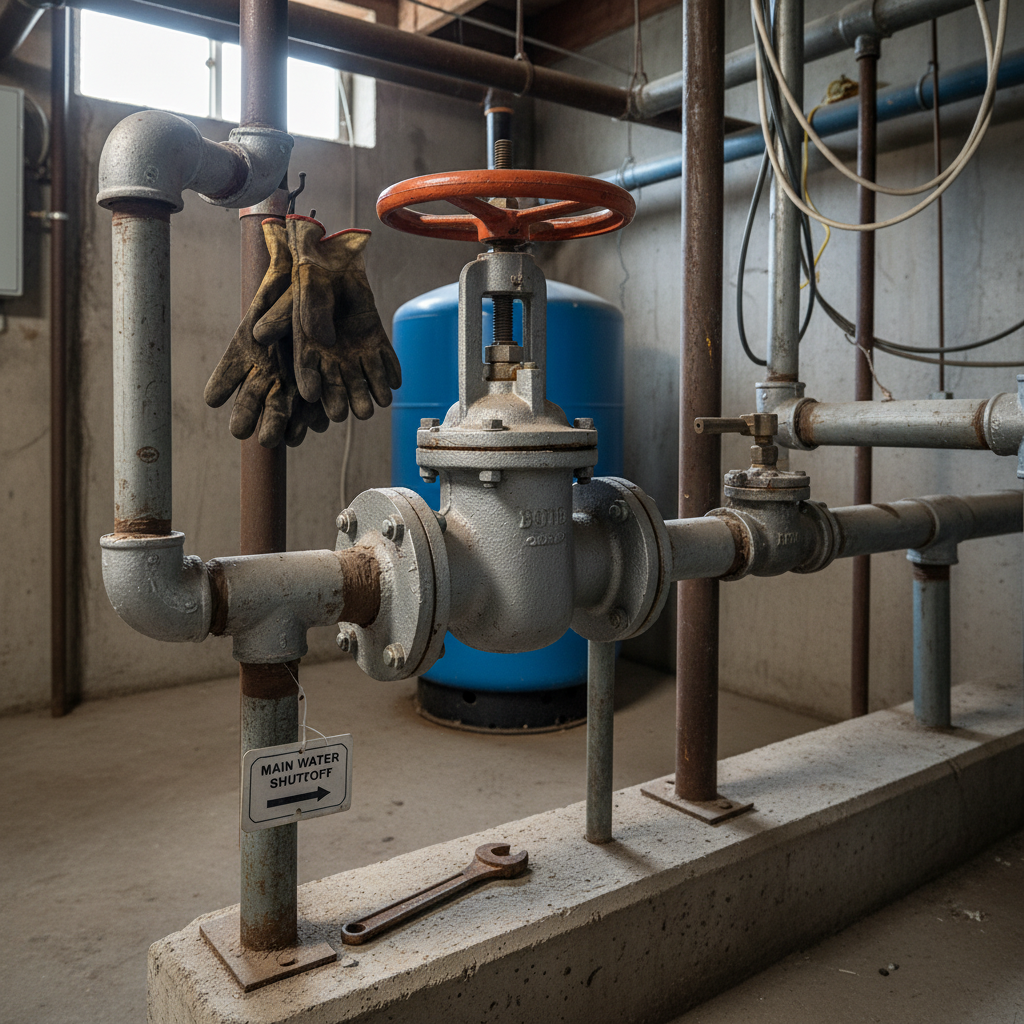
In the complex landscape of industrial fluid management, ensuring the purity of liquids and gases is paramount to operational success. A metal strainer serves as a critical first line of defense, designed to capture large solid impurities before they can enter sensitive machinery, thereby preventing catastrophic equipment failure and maintaining process stability.
The global demand for high-precision filtration has surged as industries shift toward automation and higher pressure tolerances. By integrating a robust metal strainer into pipeline architectures, facilities can significantly reduce unplanned downtime and extend the lifecycle of expensive downstream components such as pumps, compressors, and instrumentation.
Understanding the technical nuances of these systems allows engineers to optimize flow rates while maximizing contaminant capture. For those seeking reliable pipeline protection, investing in a high-quality metal strainer is a strategic decision that ensures long-term safety and efficiency in demanding industrial environments.


On a global scale, the integrity of pipeline infrastructure is a cornerstone of industrial safety. According to ISO standards for fluid power and filtration, the presence of particulate contaminants is a leading cause of hydraulic failure and valve erosion. The implementation of a metal strainer in these systems is not merely a preference but a necessity to align with international safety regulations and operational benchmarks.
From petrochemical refineries in the Middle East to pharmaceutical plants in Europe, the ability to filter out rust, scale, and welding slag is critical. These systems address the universal challenge of "media contamination," where debris generated during installation or natural pipe corrosion can lead to millions of dollars in losses due to emergency shutdowns.
The primary purpose is to act as a coarse filter that removes large solid impurities—such as scale, rust, and debris—from liquids or gases. By trapping these particles, it protects sensitive downstream equipment like pumps, control valves, and meters from physical damage and erosion, ensuring the overall stability of the industrial process.
Mesh size selection depends on the size of the particles you need to remove and the tolerance of your downstream equipment. A 10-mesh screen captures larger debris, while a 500-mesh screen is used for much finer particles. You must balance filtration accuracy with the acceptable pressure drop; a finer mesh will capture more particles but may clog more quickly.
Yes, provided the materials are correctly selected. High-temperature steam applications require strainers made from stainless steel or specific alloys capable of withstanding temperatures up to 300°C. Additionally, the use of metal-wound gaskets is recommended over rubber or PTFE to prevent seal failure under extreme heat.
Cleaning frequency depends on the contamination level of the media. The most accurate method is to monitor the differential pressure across the strainer; when the pressure drop reaches a specific threshold, the element should be cleaned. In typical systems, routine inspections are performed monthly or quarterly to prevent total blockage.
A Y-type strainer features an angled blow-down leg, making it ideal for space-constrained pipelines and allowing for easier cleaning without removing the entire unit. A T-type strainer usually has a larger filtration area and is better suited for high-flow applications where a larger amount of debris is expected to accumulate.
Absolutely. Industrial strainers can be customized in terms of shell material (e.g., Duplex steel for saltwater), connection methods (flanged vs. welded), and mesh accuracy. Providing a sample of the media or a specific impurity profile allows manufacturers to tailor the design for optimal performance and longevity.
In summary, the metal strainer is an indispensable component of modern industrial pipeline systems, providing a critical barrier against debris that could otherwise lead to expensive equipment failure. From its robust material construction and versatile mesh options to its application in the most demanding chemical and power plants, this tool ensures that fluid processes remain efficient, safe, and reliable. By focusing on correct material selection and proactive maintenance, businesses can realize significant long-term savings and operational stability.
Looking forward, the integration of smart sensors and advanced alloys will further elevate the role of filtration in the industry, moving toward a future of zero-unplanned-downtime. Whether you are designing a new process line or optimizing an existing one, prioritizing high-quality filtration is the most effective way to safeguard your infrastructure. Visit our website for professional solutions: www.strmachinery.com

 Afrikaans
 Albanian
 Amharic
 Arabic
 Armenian
 Azerbaijani
 Basque
 Belarusian
 Bengali
 Bosnian
 Bulgarian
 Catalan
 Cebuano
 Corsican
 Croatian
 Czech
 Danish
 Dutch
 Esperanto
 Estonian
 Finnish
 French
 Frisian
 Galician
 Georgian
 German
 Greek
 Gujarati
 Haitian Creole
 Hausa
 Hawaiian
 Hebrew
 Hindi
 Miao
 Hungarian
 Icelandic
 Igbo
 Indonesian
 Irish
 Italian
 Japanese
 Javanese
 Kannada
 Kazakh
 Khmer
 Rwandese
 Korean
 Kurdish
 Kyrgyz
 Lao
 Latin
 Latvian
 Lithuanian
 Luxembourgish
 Macedonian
 Malgashi
 Malay
 Malayalam
 Maltese
 Maori
 Marathi
 Mongolian
 Myanmar
 Nepali
 Norwegian
 Norwegian
 Occitan
 Pashto
 Persian
 Polish
 Portuguese
 Punjabi
 Romanian
 Russian
 Samoan
 Scottish Gaelic
 Serbian
 Sesotho
 Shona
 Sindhi
 Sinhala
 Slovak
 Slovenian
 Somali
 Spanish
 Sundanese
 Swahili
 Swedish
 Tagalog
 Tajik
 Tamil
 Tatar
 Telugu
 Thai
 Turkish
 Turkmen
 Ukrainian
 Urdu
 Uighur
 Uzbek
 Vietnamese
 Welsh
 Bantu
 Yiddish
 Yoruba
 Zulu
 English