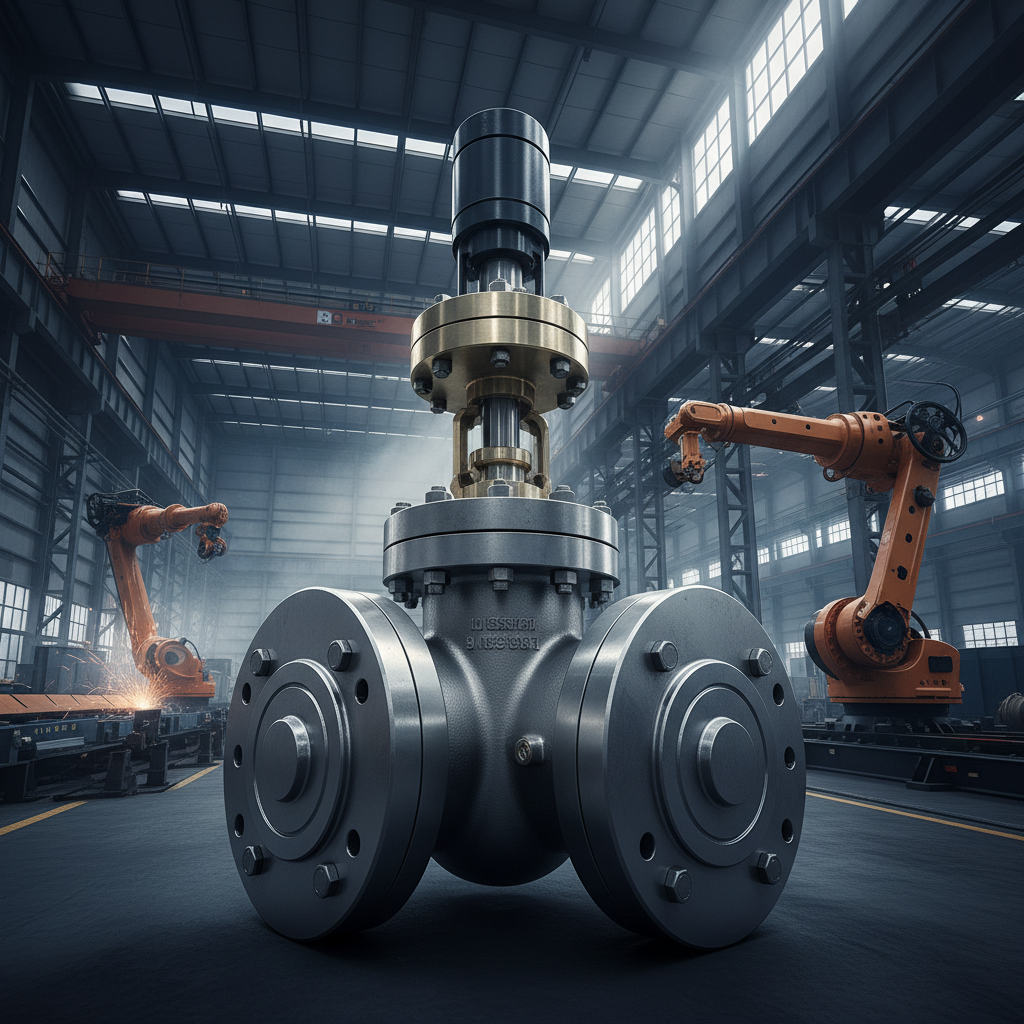
Industrial pipeline management relies heavily on the precision of flow control and the effectiveness of contaminant removal. While many engineers focus on the mechanical closing of a line, the intersection of filtration and valve technology is where true system longevity is achieved. Understanding the nuances of flow regulation is the first step in ensuring that high-value machinery remains protected from internal wear and external debris.
In the global manufacturing landscape, the demand for reliable fluid control has led to the development of various specialized components. From high-pressure petrochemical lines to sterile food processing circuits, the ability to isolate sections of a pipeline while maintaining purity is paramount. This requires a deep dive into the mechanical differences and application-specific advantages of various flow control solutions.
Whether you are managing a power plant or a chemical refinery, selecting the right equipment is critical. For those exploring the technical specifications of flow isolation, understanding different types of gate valves and how they complement coarse filtration systems like the DN50 filter can prevent catastrophic equipment failure and optimize operational uptime.


On a global scale, the integrity of pipeline infrastructure is a cornerstone of industrial stability. According to ISO standards for piping and valves, the failure of a single isolation point can lead to systemic shutdowns, costing millions in lost production. The challenge lies in balancing the need for a complete seal with the requirement for minimal pressure drop during full flow operations.
This is where the strategic implementation of flow control hardware becomes vital. By integrating robust filtration, such as the DN50 Y-type filter, upstream of isolation components, industries can ensure that the seating surfaces of their valves remain free from the abrasive particles and slag that typically cause premature leakage and mechanical wear.
Wedge gate valves use a wedge-shaped disc to create a tight seal, making them ideal for high-pressure liquid and gas lines. Knife gate valves feature a thin blade that can cut through thick slurries or solids, making them better suited for wastewater or pulp industries. The choice depends on whether your priority is a high-pressure seal or the ability to handle viscous media.
A DN50 filter removes solid impurities (≥50μm) such as rust, scale, and welding slag from the fluid stream. Since isolation valves rely on a smooth contact between the gate and the seat, any particles trapped in that interface can cause scratching or "scoring." By filtering these out, the valve maintains its leak-proof seal for a significantly longer period.
For corrosive environments, stainless steel (304/316L) is the industry standard due to its resistance to oxidation. In extremely aggressive settings, such as sulfuric acid lines, carbon steel with specialized epoxy coatings or high-nickel alloys are used. Pairing these with PTFE gaskets ensures the entire assembly resists chemical degradation.
Yes, provided the materials are rated for it. Industrial-grade isolation valves are often designed to handle temperatures up to 300°C. It is crucial to use metal-wound gaskets rather than standard rubber in these scenarios to prevent the seal from melting or degrading under high thermal stress.
The replacement frequency depends on the "dirtiness" of the medium. However, a general rule is to monitor the pressure drop across the filter. If the pressure difference between the inlet and outlet exceeds the design limit, the mesh should be cleaned or replaced. With a quick-release cover, this process typically takes under 10 minutes.
Flange connections are superior for larger diameters (above DN50) and higher pressures because they provide more structural stability and are easier to disassemble for maintenance. Threaded connections are more cost-effective and compact for small-diameter, low-pressure applications but are more prone to leaks under vibration.
Optimizing industrial flow requires a holistic approach that combines high-efficiency filtration with precise isolation technology. By understanding the specific mechanical advantages of different types of gate valves and pairing them with robust pre-filtration systems like the DN50 Y-type filter, businesses can effectively eliminate the risks of equipment wear and unplanned downtime. The synergy of a 10-500 mesh screen and a high-pressure seal ensures that the entire pipeline remains stable, efficient, and safe.
As we move toward an era of smart manufacturing and green energy, the integration of durable materials and digital monitoring will further redefine pipeline reliability. We suggest that engineers prioritize the "filtration-first" approach to maximize the ROI of their valve investments. For those seeking to elevate their process integrity and safeguard their infrastructure, exploring professional-grade filtration and valve solutions is the most sustainable path forward. Visit our website: www.strmachinery.com

 Afrikaans
 Albanian
 Amharic
 Arabic
 Armenian
 Azerbaijani
 Basque
 Belarusian
 Bengali
 Bosnian
 Bulgarian
 Catalan
 Cebuano
 Corsican
 Croatian
 Czech
 Danish
 Dutch
 Esperanto
 Estonian
 Finnish
 French
 Frisian
 Galician
 Georgian
 German
 Greek
 Gujarati
 Haitian Creole
 Hausa
 Hawaiian
 Hebrew
 Hindi
 Miao
 Hungarian
 Icelandic
 Igbo
 Indonesian
 Irish
 Italian
 Japanese
 Javanese
 Kannada
 Kazakh
 Khmer
 Rwandese
 Korean
 Kurdish
 Kyrgyz
 Lao
 Latin
 Latvian
 Lithuanian
 Luxembourgish
 Macedonian
 Malgashi
 Malay
 Malayalam
 Maltese
 Maori
 Marathi
 Mongolian
 Myanmar
 Nepali
 Norwegian
 Norwegian
 Occitan
 Pashto
 Persian
 Polish
 Portuguese
 Punjabi
 Romanian
 Russian
 Samoan
 Scottish Gaelic
 Serbian
 Sesotho
 Shona
 Sindhi
 Sinhala
 Slovak
 Slovenian
 Somali
 Spanish
 Sundanese
 Swahili
 Swedish
 Tagalog
 Tajik
 Tamil
 Tatar
 Telugu
 Thai
 Turkish
 Turkmen
 Ukrainian
 Urdu
 Uighur
 Uzbek
 Vietnamese
 Welsh
 Bantu
 Yiddish
 Yoruba
 Zulu
 English