

Habari
-
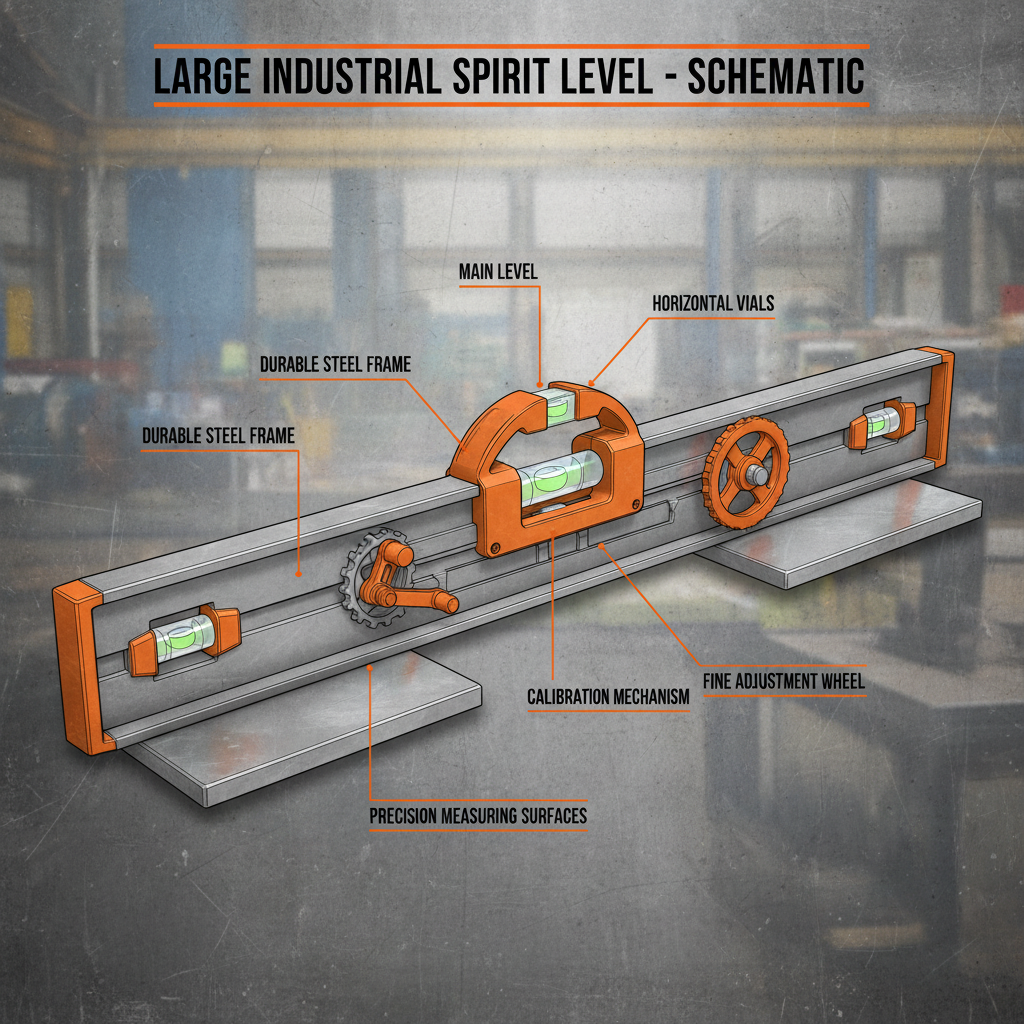
Choosing the Right Big Spirit Level for Accurate Alignment and Precision
Accuracy is paramount in countless professions, from construction and carpentry to surveying and engineering. A big spirit level is an indispensable tool for ensuring precise alignment and level surfaces. But with a wide range of options available, selecting the ideal one can be challenging. This guide will delve into the features, applications, and considerations when choosing a big spirit level, with a focus on the quality and precision offered by STR Machinery. We’ll help you understand what to look for to maximize efficiency and accuracy in your work. Big spirit levels, also known as long levels or post levels, come in various configurations to suit specific needs. The most common types include standard spirit levels, magnetic levels, and digital levels. Standard spirit levels rely on curved glass vials filled with liquid to indicate level, while magnetic levels incorporate magnets for secure attachment to metal surfaces. Digital levels offer precise angle readings displayed on an LCD screen, often with additional features like audible alerts and memory functions. Choosing the right type depends on the specific applications and desired level of precision.Read more -

The Ultimate Guide to Choosing the Right Alloy Spirit Level for Accurate Measurements
Accuracy is paramount in many professions, from construction and carpentry to engineering and surveying. An alloy spirit level is an essential tool for achieving precise measurements and ensuring projects are completed correctly. This article explores the benefits of alloy spirit levels, factors to consider when choosing one, and how they compare to other leveling tools. We’ll guide you through understanding the specifications and applications of these indispensable instruments. An alloy spirit level, also known as a bubble level, is a tool designed to indicate whether a surface is perfectly horizontal (level) or vertical (plumb). They work using a curved glass or plastic tube filled with a colored liquid, typically alcohol or mineral spirit, containing a bubble. The bubble’s position within the tube indicates the angle of the surface. Alloy spirit levels are preferred for their durability and resistance to corrosion compared to those made from other materials. The alloy construction provides robustness, making them ideal for demanding work environments.Read more -
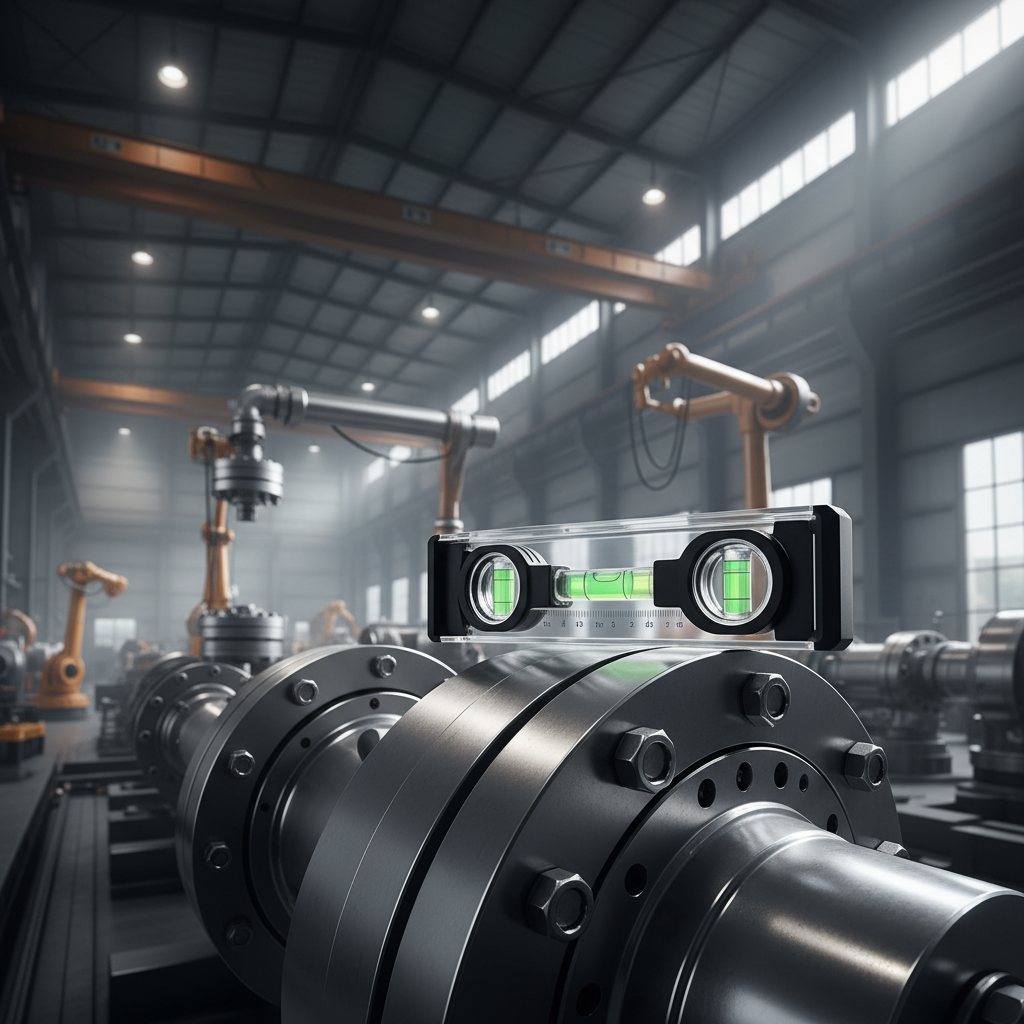
Comprehensive Guide to Adhesive Spirit Levels for Accurate Measurement
An adhesive spirit level is a versatile tool used across various industries, from construction and woodworking to DIY home projects. Its ability to provide accurate leveling, coupled with its convenient adhesive backing, makes it an invaluable asset for ensuring precision in any task. This article will explore the functionalities, applications, benefits, and selection criteria for adhesive spirit levels, providing a comprehensive resource for both professionals and hobbyists. At its core, an adhesive spirit level operates on the principle of gravity and a fluid-filled vial. The vial contains a liquid (typically alcohol or mineral spirit) with an air bubble. When the level is placed on a surface, the bubble settles at the lowest point, indicating whether the surface is perfectly horizontal or vertical. The adhesive backing allows for temporary yet secure attachment to various surfaces without causing damage. This is especially useful when working with delicate materials or needing hands-free operation.Read more -
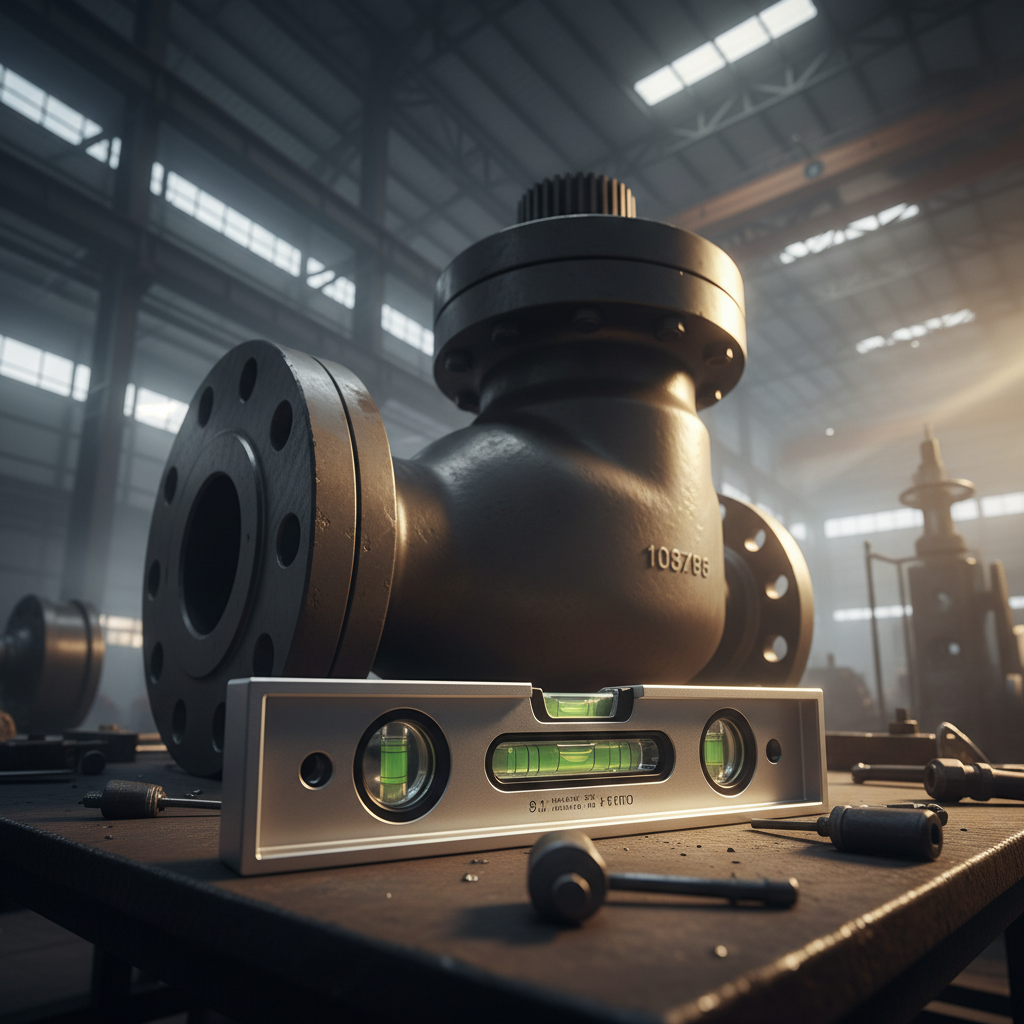
Choosing the Right Accurate Spirit Level for Professional and DIY Projects
An accurate spirit level is an indispensable tool for a wide range of professions and DIY enthusiasts. From construction and carpentry to surveying and even home decorating, ensuring surfaces are perfectly level is paramount for achieving accurate and professional results. This article will explore the different types of spirit levels, key features to consider when making a purchase, and how to select the right level for your specific needs. Investing in a quality spirit level can significantly improve the quality and efficiency of your work. Spirit levels come in various forms, each designed for specific applications. Traditional spirit levels utilize liquid-filled vials to indicate levelness. Digital spirit levels offer precise readings on an LCD screen, often including angles and other measurements. Post levels are designed for vertical surfaces, while torpedo levels are compact and ideal for tight spaces. Laser levels project a visible line for leveling over longer distances.Read more -

Understanding the Versatility and Precision of a Spirit Level for Accurate Alignment
A spirit level is an indispensable tool for professionals and DIY enthusiasts alike. Ensuring surfaces are perfectly horizontal or vertical is crucial in numerous applications, from construction and carpentry to interior design and even scientific experimentation. This article will explore the different types of spirit levels, their applications, how to choose the right one for your needs, and the importance of calibration. Whether you're hanging a picture or building a foundation, understanding the capabilities of a spirit level is essential. Spirit levels come in a variety of types, each designed for specific applications. Traditional spirit levels, typically ranging from 2 to 6 feet, are the most common. These utilize curved glass or plastic vials filled with a liquid (typically alcohol or mineral spirit) and an air bubble to indicate level. There are also post levels, used for checking vertical alignment of posts and columns. Digital spirit levels offer enhanced precision and features like audible indicators and angle readouts. Furthermore, line levels are designed for establishing a level line over longer distances. Choosing the right type depends on the specific task at hand and desired accuracy.Read more -
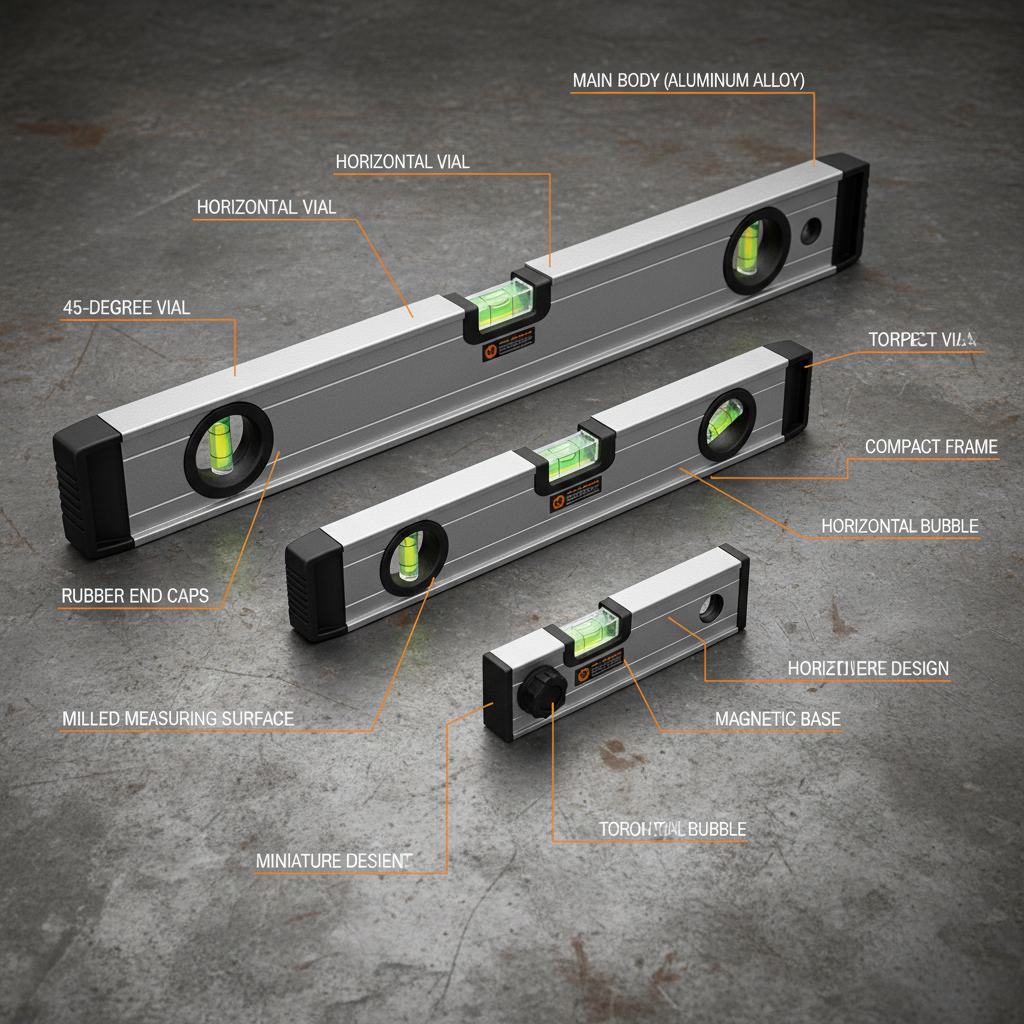
Choosing the Best Spirit Level Set for Accurate and Professional Results
Achieving accuracy in measurements is critical across a multitude of professions, from construction and carpentry to engineering and even home DIY projects. A reliable spirit level set is an indispensable tool for ensuring projects are plumb, level, and square. This article explores the different types of spirit levels, key features to consider when purchasing a set, and how to select the best set to meet your specific needs. Investing in a quality spirit level set translates to more accurate results and ultimately, higher quality work. Spirit levels come in various designs, each suited for different applications. The most common types include: Post levels, designed for checking vertical surfaces like posts and walls; Torpedo levels, compact and ideal for tight spaces; Line levels, used for establishing a level line over longer distances; I-beam levels, offering high accuracy and durability, commonly used in construction and framing; and Digital levels, providing precise readings and often incorporating features like angle measurement and memory. Choosing the right type depends on the frequency and nature of your leveling tasks.Read more -
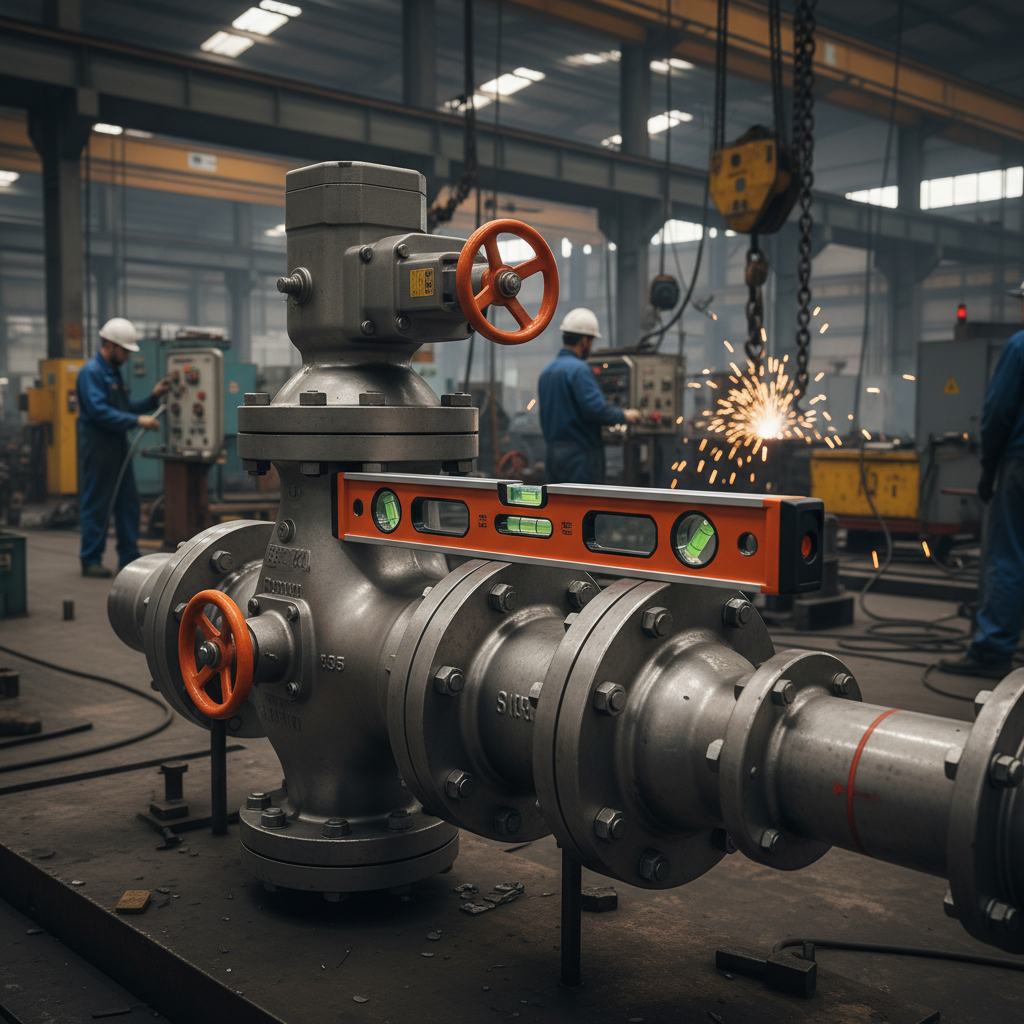
Choosing the Right Spirit Level Tool for Accurate and Precise Measurements
Achieving accurate measurements is crucial in a multitude of industries, from construction and woodworking to engineering and DIY projects. A reliable spirit level tool is the cornerstone of any precise project. This article explores the different types of spirit levels, factors to consider when choosing the right one, and how to ensure accurate readings. We'll delve into the technology behind these essential tools and help you select the perfect level for your needs. Understanding the nuances of spirit levels can significantly improve the quality and accuracy of your work. At its core, a spirit level tool utilizes the principle of gravity to indicate whether a surface is perfectly horizontal (level) or vertical (plumb). It consists of a sealed glass or plastic vial, partially filled with a liquid – traditionally alcohol, but increasingly with ether for better visibility and temperature resistance. A bubble within the vial rises and settles between marked lines, indicating the levelness or plumbness.Read more -
Comprehensive Guide to Machine Levels and Their Applications
In the realm of precision engineering and manufacturing, achieving perfectly horizontal or vertical alignment is crucial. This is where machine levels come into play. They are indispensable tools for setting up and maintaining machinery, ensuring optimal performance and preventing costly errors. This article will delve into the different types of machine levels, their applications, and how to select the right level for your specific needs. From simple spirit levels to advanced digital levels, we'll explore the technology and benefits of each. Accurate leveling is the foundation of successful machining operations. Machine levels aren't one-size-fits-all. The optimal choice depends on the required accuracy, the application, and the environment. Here’s a breakdown of the most common types: Spirit Levels are the most traditional, utilizing a curved glass tube filled with liquid to indicate level. Digital Levels provide a numerical readout of the angle, often with higher precision than spirit levels. Laser Levels project a laser beam to establish a reference line, ideal for long distances. Surface Plate Levels are specifically designed for use on surface plates, providing ultra-high accuracy for precision machining.Read more -
Find the Best Spirit Levels for Sale to Ensure Accurate Measurements
Finding the right spirit level is crucial for accuracy in various trades, from carpentry and construction to DIY projects. At STR Machinery, we offer a wide selection of high-quality spirit levels to meet every need and budget. This article will delve into the different types of spirit levels, key features to consider when purchasing, and how to choose the right level for your specific application. Whether you’re a professional tradesperson or a weekend hobbyist, a reliable spirit level is an indispensable tool. Spirit levels come in various forms, each designed for specific purposes. Traditional spirit levels, often made of aluminum or wood, are versatile and widely used. Torpedo levels are compact and ideal for tight spaces and pipe work. Post levels are designed to attach to posts and are perfect for fence building and similar applications. Digital spirit levels offer precise readings and additional features like angle memorization. Choosing the right type depends on the tasks you'll be performing and the level of accuracy required. STR Machinery carries a comprehensive range of all these types. Several factors contribute to the quality and usability of a spirit level. The accuracy of the vials is paramount – look for levels with clearly marked and calibrated vials.Read more -
Exploring Different Spirit Level Types For Accurate Measurements
Spirit levels are indispensable tools for ensuring surfaces are perfectly horizontal or vertical. From construction and carpentry to DIY projects, achieving accuracy relies on selecting the right type of spirit level for the task. This article dives into the various spirit level types available, their features, applications, and how to choose the best one for your needs. We’ll explore everything from traditional liquid-filled levels to advanced digital models, helping you elevate the precision of your projects. These are the most common type of spirit levels. They feature a curved glass or acrylic vial partially filled with a colored liquid (typically alcohol or mineral spirit). The bubble within the vial indicates whether a surface is level. The accuracy of these levels depends on the precise curvature of the vial and the quality of the liquid. Traditional spirit levels are robust, reliable, and don't require batteries, making them ideal for various applications. Different lengths are available to suit diverse project requirements.Read more -
Unlock Profitability with Level Wholesale A Comprehensive Guide to Bulk Purchasing
In the world of cross-border trade, sourcing products in bulk is crucial for maximizing profit margins and ensuring a consistent supply chain. Level wholesale represents a strategic approach to purchasing, offering businesses access to competitive pricing and a wide range of products. This article will explore the benefits of level wholesale, key considerations for implementation, and how STR Machinery can be your reliable partner in navigating this landscape. It's a system designed to streamline procurement and boost your bottom line. Achieving a true “level” often involves meeting minimum order quantities (MOQs) and establishing a long-term relationship with the supplier. It’s about cutting out the middleman and securing the best possible rates. The key benefit is a substantial reduction in per-unit costs, making it an attractive option for businesses looking to scale their operations and increase profitability. Level wholesale refers to the practice of purchasing products directly from manufacturers or authorized distributors in significant quantities.Read more -
Understanding Industrial Level Types for Efficient Process Control
In the realm of industrial automation and process control, understanding level types is crucial for accurate measurement and efficient operations. Different applications demand different types of level sensing technologies, each with its own strengths and limitations. This article will explore various level types commonly used in industrial settings, outlining their principles, applications, and advantages. Choosing the right level sensing technology can significantly improve process efficiency, reduce waste, and enhance safety. We will cover everything from basic float switches to advanced radar level transmitters. Point level sensors detect the presence or absence of a material at a specific point. These are commonly used for alarm applications, overfill prevention, and pump control. Common technologies include float switches, conductive probes, and capacitive probes. Continuous level sensors provide a continuous output signal that corresponds to the level of the material. This allows for precise measurement and control of liquid or solid levels in tanks and vessels.Read more
 Swahili
 English
 Afrikaans
 Albanian
 Amharic
 Arabic
 Armenian
 Azerbaijani
 Basque
 Belarusian
 Bengali
 Bosnian
 Bulgarian
 Catalan
 Cebuano
 Corsican
 Croatian
 Czech
 Danish
 Dutch
 Esperanto
 Estonian
 Finnish
 French
 Frisian
 Galician
 Georgian
 German
 Greek
 Gujarati
 Haitian Creole
 Hausa
 Hawaiian
 Hebrew
 Hindi
 Miao
 Hungarian
 Icelandic
 Igbo
 Indonesian
 Irish
 Italian
 Japanese
 Javanese
 Kannada
 Kazakh
 Khmer
 Rwandese
 Korean
 Kurdish
 Kyrgyz
 Lao
 Latin
 Latvian
 Lithuanian
 Luxembourgish
 Macedonian
 Malgashi
 Malay
 Malayalam
 Maltese
 Maori
 Marathi
 Mongolian
 Myanmar
 Nepali
 Norwegian
 Norwegian
 Occitan
 Pashto
 Persian
 Polish
 Portuguese
 Punjabi
 Romanian
 Russian
 Samoan
 Scottish Gaelic
 Serbian
 Sesotho
 Shona
 Sindhi
 Sinhala
 Slovak
 Slovenian
 Somali
 Spanish
 Sundanese
 Swedish
 Tagalog
 Tajik
 Tamil
 Tatar
 Telugu
 Thai
 Turkish
 Turkmen
 Ukrainian
 Urdu
 Uighur
 Uzbek
 Vietnamese
 Welsh
 Bantu
 Yiddish
 Yoruba
 Zulu