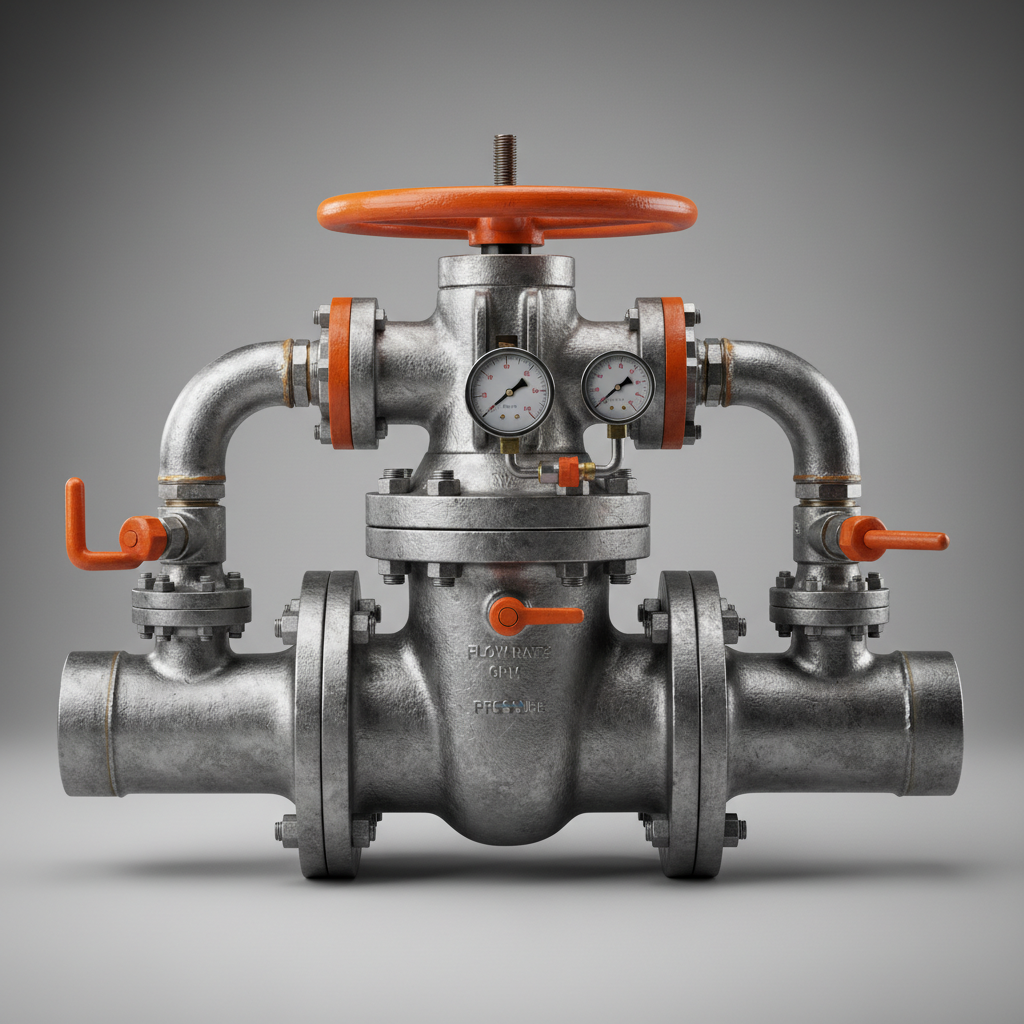
Understanding the various water valve key types is fundamental for maintaining the integrity of municipal water systems and industrial piping networks. These specialized tools ensure that operators can securely engage with valve stems to regulate flow, prevent leaks, and manage pressure without damaging critical infrastructure.
In the global landscape of infrastructure management, the precision of the tools used—ranging from standard valve keys to specialized gauge-verified components—directly impacts the operational lifespan of the system. Utilizing the correct tool for the specific valve type prevents the rounding of nuts and the degradation of sealing surfaces, which are common failure points in aging water networks.
Whether managing urban water distribution or complex industrial cooling systems, the ability to identify and apply the correct water valve key types ensures safety, efficiency, and sustainability. This guide explores the technical nuances and maintenance standards required to optimize these essential tools.


Across the globe, water infrastructure relies on standardized access points to ensure rapid response during emergencies. The variety of water valve key types reflects the diverse engineering standards adopted by different regions and eras, making the procurement of compatible, high-precision tools a priority for municipal engineers.
From the perspective of ISO standards, the precision of the interface between the key and the valve is critical. When tools are mismatched or worn, the risk of mechanical failure increases, which can lead to catastrophic water loss or the inability to shut off a line during a burst pipe event.
The most reliable method is to use a dental gauge or inspection rod to measure the valve stem's diameter. By verifying the diameter (e.g., within the Φ21-Φ30 range), you can match the measurement to the corresponding key specification, ensuring a secure fit that prevents slippage and stem damage.
It is strongly discouraged. Standard wrenches often lack the reach and the specific geometric engagement needed for recessed valves. Using an incorrect tool can round off the edges of the valve nut, making it impossible to operate the valve and potentially requiring an expensive excavation to replace the assembly.
Gauges and keys should be cleaned immediately after use to remove adherents and debris. They should be handled with care to avoid bumps that could damage the measuring surfaces. Additionally, it is strictly prohibited to use gauges as cutting tools or to force them into threads, as this compromises their accuracy.
Morse Taper Shank rods are used for precision alignment and inspection. Before engaging the water valve key types, these rods ensure that the path to the valve is clear and that the valve is positioned correctly, reducing the risk of applying torque at an angle which could bend the stem.
Yes, depending on the application, keys may be made from carbon steel for general use or specialized alloy steels for high-torque industrial applications. Alloy tools provide better resistance to wear and deformation, which is critical for the long-term stability of the water network.
To maintain the accuracy and longevity of the equipment, the use of tooth/dental gauges should be restricted to metrological staff or trained technicians. Unauthorized use can lead to improper measurements and the subsequent use of incorrect valve keys, damaging the infrastructure.
The strategic selection and maintenance of water valve key types are essential for the operational continuity of any water distribution network. By combining high-quality alloy tools with precise measurement gauges—such as those ranging from Φ3 to Φ90—operators can ensure that valve interventions are safe, efficient, and non-destructive. The synergy between correct tool identification and strict maintenance protocols reduces systemic risk and extends the lifespan of critical infrastructure.
Looking forward, the industry must continue to embrace higher precision standards and smarter materials to meet the challenges of aging urban grids. Investing in the correct tooling today prevents the catastrophic failures of tomorrow, ensuring that water management remains a reliable pillar of public health and industrial productivity. For professional-grade tools and measurement solutions, visit our website: www.strmachinery.com.

 Afrikaans
 Albanian
 Amharic
 Arabic
 Armenian
 Azerbaijani
 Basque
 Belarusian
 Bengali
 Bosnian
 Bulgarian
 Catalan
 Cebuano
 Corsican
 Croatian
 Czech
 Danish
 Dutch
 Esperanto
 Estonian
 Finnish
 French
 Frisian
 Galician
 Georgian
 German
 Greek
 Gujarati
 Haitian Creole
 Hausa
 Hawaiian
 Hebrew
 Hindi
 Miao
 Hungarian
 Icelandic
 Igbo
 Indonesian
 Irish
 Italian
 Japanese
 Javanese
 Kannada
 Kazakh
 Khmer
 Rwandese
 Korean
 Kurdish
 Kyrgyz
 Lao
 Latin
 Latvian
 Lithuanian
 Luxembourgish
 Macedonian
 Malgashi
 Malay
 Malayalam
 Maltese
 Maori
 Marathi
 Mongolian
 Myanmar
 Nepali
 Norwegian
 Norwegian
 Occitan
 Pashto
 Persian
 Polish
 Portuguese
 Punjabi
 Romanian
 Russian
 Samoan
 Scottish Gaelic
 Serbian
 Sesotho
 Shona
 Sindhi
 Sinhala
 Slovak
 Slovenian
 Somali
 Spanish
 Sundanese
 Swahili
 Swedish
 Tagalog
 Tajik
 Tamil
 Tatar
 Telugu
 Thai
 Turkish
 Turkmen
 Ukrainian
 Urdu
 Uighur
 Uzbek
 Vietnamese
 Welsh
 Bantu
 Yiddish
 Yoruba
 Zulu
 English