
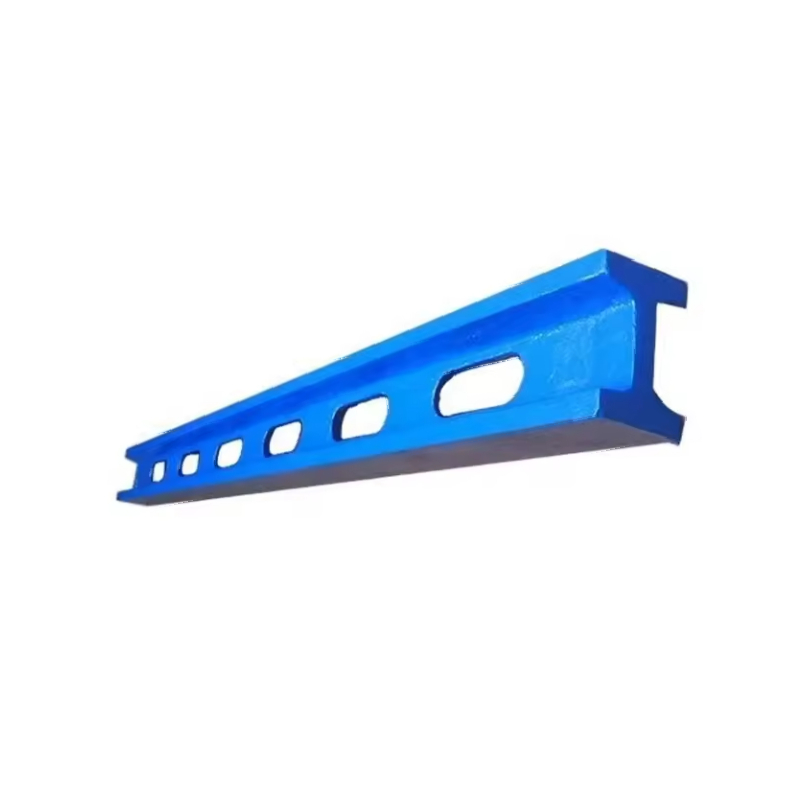
Industrial Fluid Control Solutions for flanged strainer in Denmark

Engineering high-precision metal sealing and fastening components for the demanding Danish industrial water and energy sectors.

Industrial Fluid Control Solutions for flanged strainer in Denmark

Providing Denmark's manufacturing sector with robust valve metal components and high-durability strainers designed for extreme North Sea climates and precise industrial standards.

The Current State of Fastener and Valve Manufacturing in Denmark

Analyzing the intersection of Danish maritime heritage and modern precision engineering.

Denmark's industrial landscape is characterized by a strong emphasis on sustainability and high-efficiency water management. In the realm of valve metal applications, there is a significant shift toward corrosion-resistant alloys that can withstand the saline atmosphere of the Danish coastlines, ensuring long-term structural integrity for critical infrastructure.

The demand for a reliable main valve water system is peaking due to the modernization of urban district heating and cooling networks in Copenhagen and Aarhus. These systems require precise sealing and fastening components that minimize leakages and reduce operational energy loss, aligning with the country's aggressive carbon-neutral goals.

Currently, the market sees a high preference for the cast iron strainer in traditional heavy manufacturing, though there is a growing transition toward stainless steel alternatives. The Danish market prioritizes E-E-A-T (Experience, Expertise, Authoritativeness, and Trustworthiness) when sourcing industrial components, favoring suppliers who can prove rigorous ISO certifications and European safety compliance.

Evolution and Trajectory of Valve Engineering in Denmark

From traditional casting to smart fluid dynamics.

Market Development History

In the early 20th century, Danish fluid control relied heavily on basic casting techniques, where the 300 gate valve became a staple for municipal water works due to its simplistic design and durability in low-pressure environments.

By the 1980s and 90s, the integration of advanced metallurgy allowed for the development of more specialized valve metal alloys. This period marked the transition from general-purpose components to application-specific hardware tailored for the offshore wind and oil sectors in the North Sea.

Entering the 2010s, the focus shifted toward "Total Cost of Ownership." The industry moved from simply replacing worn parts to installing high-performance filtering systems, increasing the adoption of the flanged strainer to protect downstream expensive equipment from particulate contamination.

Future Development Trends

Digital Twin Integration

The integration of IoT sensors into valve bodies to monitor flow rates and wear patterns in real-time, reducing unplanned downtime in Danish factories.

Additive Manufacturing for Fasteners

Transitioning toward 3D printing for complex metal seals and customized fasteners to reduce material waste and lead times for specialized equipment.

Hydrogen-Ready Infrastructure

Developing new seal compositions and valve metals capable of handling hydrogen transport as Denmark expands its green hydrogen economy.

Industry Trends and Future Outlook

Strategizing for the next era of Danish industrial fluid control.

Eco-Material Transition
Rapid shift towards recyclable alloys and low-carbon steel for all valve and strainer bodies.
Zero-Leakage Standards
Implementation of tighter sealing tolerances to comply with strict Danish environmental regulations.
Modular Component Design
Standardizing flange and seal sizes to allow faster maintenance across diverse industrial sites.
Predictive Maintenance
Using AI-driven data to replace components based on actual wear rather than fixed schedules.

Industry Outlook

Over the next 3-5 years, Google search trends indicate a surge in "sustainable industrial plumbing" and "high-efficiency filtration systems" within Northern Europe. This suggests that the Danish market will pivot away from simple iron components toward advanced, high-performance materials that offer longer lifecycles and lower environmental impact.

Consequently, manufacturers who integrate smart diagnostics with traditional hardware will dominate. The future lies in "intelligent sealing," where the metal components themselves are optimized for extreme pressure and temperature fluctuations common in Denmark's energy transition projects.

Localized Application Scenarios in Denmark

Practical implementations of our valve and strainer solutions across Danish industries.

1. Offshore Wind Turbine Cooling Systems

Utilizing high-grade valve metal and precision seals to prevent seawater ingress and ensure the stability of cooling circuits in the North Sea wind farms.

2. Copenhagen Municipal Water Distribution

Implementation of the main valve water units to manage high-volume flow in aging urban pipe networks, reducing water hammer effects.

3. Pharmaceutical Manufacturing in Kalundborg

Installing the flanged strainer in sterile production lines to eliminate micro-particulates and ensure pharmaceutical-grade fluid purity.

4. District Heating Plants in Aarhus

Deploying the 300 gate valve for reliable isolation of high-temperature water lines during seasonal maintenance cycles.

5. Industrial Wastewater Treatment Plants

Integrating the cast iron strainer for primary debris filtration in municipal wastewater systems, providing cost-effective and rugged protection.

Brand Story

Global Development History of STR Machinery (Cangzhou) International Trade Co., Ltd.

Foundational Precision

Established with a mission to bridge the gap between raw casting and precision engineering, focusing on the core needs of the metal sealing industry.

Technological Expansion

Invested in advanced CNC machining and alloy research to develop components that meet the strictest European safety and quality standards.

Global Market Penetration

Successfully expanded into the European market, specializing in high-durability fasteners and valves for the maritime and energy sectors.

Sustainability Commitment

Launched a green initiative to optimize material usage and reduce the carbon footprint of our manufacturing processes for global clients.

Industry Leadership

Recognized as a trusted partner for complex fluid control projects, solving critical leakage and corrosion pain points globally.

Comprehensive Fluid Control Portfolio for the Danish Market

A curated selection of high-performance valves, strainers, and fasteners tailored for Denmark's industrial standards.

Frequently Asked Questions for Industrial Components in Denmark

Expert answers to common technical queries regarding valve and strainer procurement.

What is the best valve metal for corrosive North Sea environments?

For highly saline environments in Denmark, we recommend duplex stainless steel or specialized nickel-based alloys that offer superior pitting and crevice corrosion resistance compared to standard carbon steel.

How to choose between a cast iron strainer and a stainless steel flanged strainer?

A cast iron strainer is ideal for non-corrosive, low-pressure applications where cost is a primary factor. However, for chemical processing or high-purity water, a flanged strainer in stainless steel is required for longevity and hygiene.

What maintenance interval is recommended for a 300 gate valve in district heating?

For Danish district heating systems, we recommend a visual inspection every 6 months and a full seal audit every 2 years to ensure no leakage occurs during peak winter loads.

Can a main valve water system be retrofitted with smart sensors?

Yes, most of our valve bodies are designed with compatible ports for external pressure and flow sensors, allowing for a seamless transition to predictive maintenance.

Do your flanged strainers comply with European EN standards?

Absolutely. All our products are manufactured to meet or exceed EN 1092-1 flange standards, ensuring perfect compatibility with existing Danish piping infrastructure.

How does the temperature in Denmark affect valve metal expansion?

Extreme temperature swings can cause thermal expansion. We use precision-calculated alloys with low coefficients of thermal expansion to maintain a tight seal regardless of the weather.

Consult Our Engineering Experts

Ready to optimize your fluid control systems in Denmark? Contact us for technical specifications and customized quotes.

Contact Us Now

If you are interested in our products, you can choose to leave your information here, and we will be in touch with you shortly.


Asset 3

Need Help?
Drop us a message using the form below.